

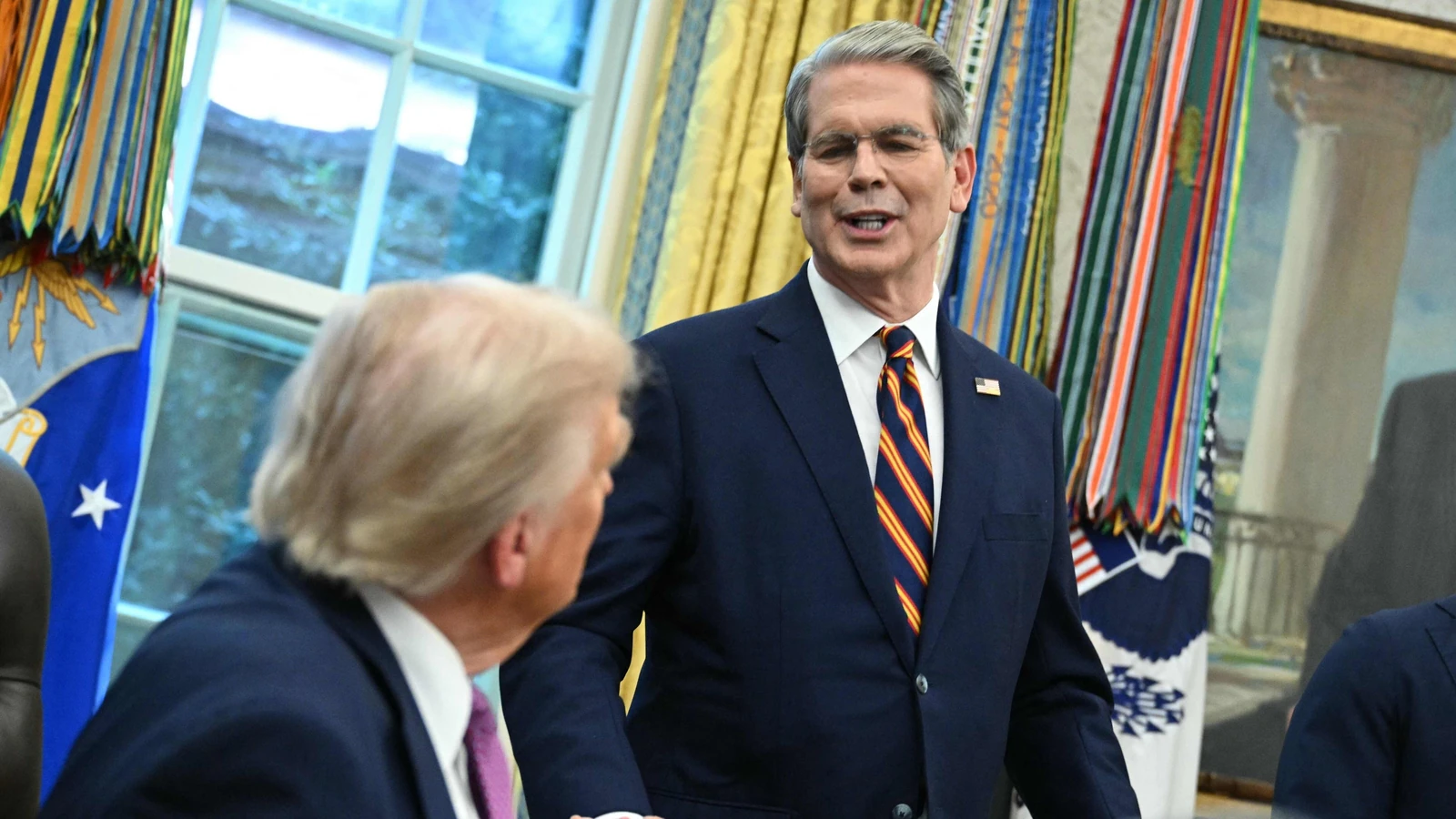
The geopolitical landscape surrounding Russian oil exports has become increasingly complex in recent months, especially with the United States ramping up its efforts to restrict Russia’s economic influence. Recently, the US Treasury Secretary has publicly called for *more stringent tariffs* on countries that continue to purchase Russian oil, asserting that such measures are vital to further weaken Russia’s financial stability. This stance comes amid ongoing diplomatic tensions between the US and India—an influential global player—and highlights the strategic maneuvering taking place on the international stage.
Background: The US Strategy Against Russian Oil
Since Russia’s invasion of Ukraine, Western countries, led by the US and allies in Europe, have sought to impose severe economic sanctions on Russia, especially targeting its energy sector. Russian oil exports constitute a significant portion of its revenue, and disrupting this flow has become a key objective for the West. By implementing sanctions, including prohibitions and tariffs, they aim to diminish Russia’s ability to fund its military operations and sustain its economy.
However, some countries, including India, have continued to purchase Russian oil at discounted rates, bypassing Western sanctions. This has raised alarms in Washington, which perceives such transactions as undermining their broader strategic goals. The US Treasury Secretary’s recent remarks reflect a desire to counteract this trend by calling for increased tariffs on nations engaging in these oil purchases.
The US Treasury’s Stand: Expanding Tariffs Amid Diplomatic Tensions
The Secretary of the US Treasury emphasized the importance of *targeted measures* to discourage countries from buying Russian oil, emphasizing that such actions could be more impactful than existing sanctions. Specifically, the call was for “more tariffs on countries that buy Russian oil,” aiming to exert economic pressure and bring about a shift in global purchasing behaviors.
What does this mean for India? While the US and India share strategic interests, their diplomatic relations are not without friction. The US’s push to impose additional tariffs could place India in a difficult position—balancing its energy needs with its diplomatic allegiance. India’s continued engagement with Russian energy supplies, driven by economic and energy security considerations, has often been a point of contention with Western countries pushing for a unified stance against Moscow.
Diplomatic Dynamics: The Trump-Modi Thaw and Its Impact
Amid these economic sanctions, there are signs of a warming diplomatic relationship between the US and India, notably exemplified by the recent thaw in Trump-Modi relations. This rapprochement raises pertinent questions about the US’s approach to India’s stance on Russian oil purchases and whether diplomatic considerations might influence the push for tariffs.
The Hindustan Times reports that the US Treasury Secretary’s appeal for increased tariffs aligns with broader efforts to isolate Russia economically, but it also highlights the delicate balancing act involving India, a key strategic partner. The Biden administration’s stance reflects both economic interests and geopolitical recalibrations, which may lead to friction or cooperation depending on how India navigates these pressures.
Global Economic Ramifications of Increased Tariffs
The proposal to extend tariffs on countries buying Russian oil is not without controversy. Critics argue that such measures could have unintended consequences, including rising global oil prices, disruptions to energy markets, and strain on international relations. For countries like India, which rely heavily on imported energy, increased tariffs could translate into higher costs for consumers and industries.
Furthermore, some experts warn that aggressive tariff policies might push countries to seek alternative sources or deepen energy partnerships with Russia, thereby undermining US efforts. The possibility of a divided global energy market could complicate efforts to maintain stability and could even accelerate the formation of new geopolitical blocs.
The Broader Context: US Energy Strategy and Sanctions on Russia
The US’s push for tariffs is part of a comprehensive strategy to weaken Russia’s economy and pressure President Vladimir Putin’s regime. Trump-era officials have publicly claimed that the Russian economy could be pushed toward “total collapse” if countries persist in buying its oil, urging the European Union and other allies to participate actively in this economic pressure campaign.
Additionally, voices from the Trump administration have suggested that these measures could serve as leverage in diplomatic negotiations, potentially opening channels for dialogue with Moscow. However, critics argue that economic sanctions and tariffs might harden positions and lead to a protracted conflict or energy crisis.
Potential Consequences for US-India Relations
As India continues its energy exchanges with Russia, the US’s call for increased tariffs might complicate diplomatic relations. While the Biden administration desires to maintain a strategic partnership with India, it also insists on strict adherence to sanctions. The Indian government, on its part, maintains that it needs affordable energy sources to sustain its growing economy, which could conflict with US pressures.
Could this lead to a diplomatic standoff? It’s possible, particularly if the US perceives India’s actions as undermining its sanctions campaign. Conversely, both nations could find common ground through dialogue, emphasizing shared interests in regional security, energy independence, and global stability.
Conclusion: Navigating a Complex Geopolitical Terrain
The US Treasury’s calls for heightened tariffs on countries purchasing Russian oil reflect a broader strategy to isolate Russia economically while exerting diplomatic pressure. This stance, set against the backdrop of the renewed US-India relationship, underscores the intricate balance of economic interests, diplomatic alliances, and geopolitical objectives.
As global leaders grapple with the fallout from these policy choices, their decisions will significantly influence international energy markets, diplomatic relations, and the future of global economic sanctions. Countries like India find themselves at the crossroads of maintaining economic stability and adhering to international demands—an increasingly delicate balancing act.
The unfolding scenario highlights the importance of strategic diplomacy and the need for international cooperation to navigate the complex challenges of today’s geopolitical environment.
For more updated news please keep visiting Hourly Prime News.