

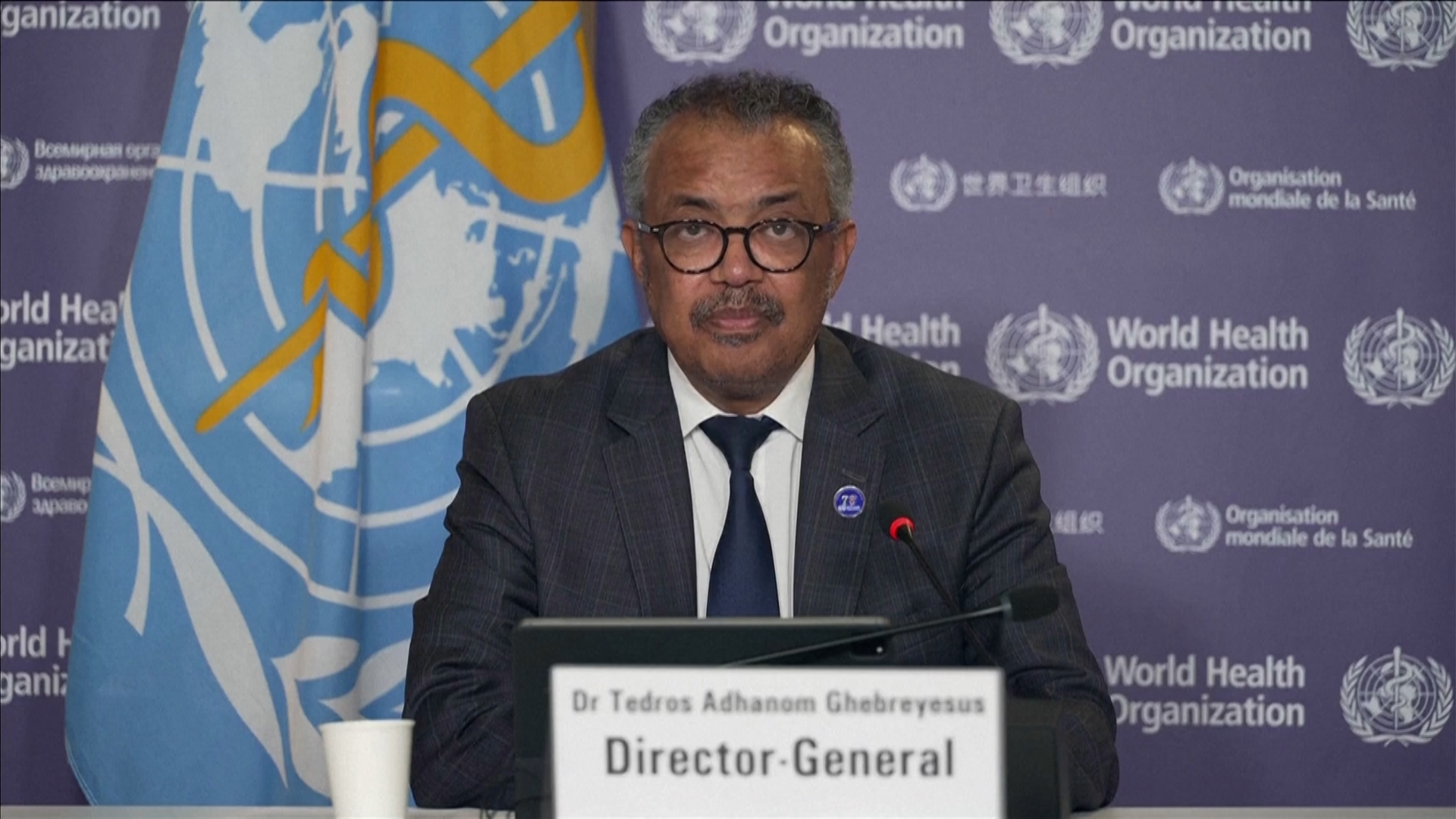
The World Health Organization (WHO) has officially declared that the mpox (formerly known as monkeypox) outbreak in Africa is no longer considered a **global health emergency**. This milestone marks a pivotal point in the ongoing fight against infectious diseases, highlighting both the resilience of health systems in Africa and the effectiveness of coordinated international responses.
This declaration by the WHO chief signals a moment of cautious optimism but also underscores the nuanced realities of infectious disease management on the continent. While the immediate threat appears to have subsided, the lingering concerns and the importance of vigilance remain paramount.
Understanding the Context of the Mpox Outbreak in Africa
Mpox, caused by the monkeypox virus, gained international attention when outbreaks surged beyond its traditional endemic regions in Central and West Africa. Historically, the disease was confined to specific zoonotic (animal-to-human) transmission zones, with sporadic outbreaks. However, recent years saw a notable increase in cases, leading to global concern and the designation of mpox as a Public Health Emergency of International Concern (PHEIC) earlier.
The outbreak’s trajectory in Africa was particularly alarming, given the region’s vulnerabilities—limited healthcare infrastructure, challenges in disease surveillance, and socio-economic factors that complicated containment efforts. Yet, concerted efforts involving local governments, international agencies, and community stakeholders contributed substantially to curtailing the spread.
What Does the Declaring of Ended Emergency Mean?
Implications for Health Policy and Surveillance
- Shift in focus from emergency response to routine management: Health authorities will now integrate mpox management into existing disease prevention frameworks rather than crisis-driven initiatives.
- Reallocation of resources: Financial and human resources initially directed towards emergency response can be redirected to strengthening healthcare infrastructure and other pressing health concerns.
- Enhanced disease monitoring: surveillance systems will continue to oversee mpox cases, ensuring early detection of any resurgence or new emergent threats.
Continued Vigilance Despite the Declared End
Although the emergency status has been lifted, experts caution that the disease is not eradicated. Vaccination campaigns, community education, and ongoing research remain critical tools to prevent a potential comeback. The regional health authorities emphasize maintaining disease awareness and preparedness to quickly respond should cases re-emerge.
Lessons Learned and Future Directions
The recent mpox outbreak underscored vital lessons for Africa and the global health community:
- Importance of Strengthening Local Health Systems: Effective disease management relies heavily on robust healthcare infrastructure, capable of rapid response, testing, and treatment.
- Community Engagement Is Crucial: Successful containment depended significantly on community participation and trust, highlighting the need for culturally sensitive health communication strategies.
- Global Collaboration Enhances Outcomes: International support and resource sharing facilitated efficient responses, illustrating the importance of solidarity in tackling infectious diseases.
- Preparedness and Flexibility: Healthcare strategies must adapt swiftly to emerging threats, emphasizing the ongoing need for flexible policies and innovative approaches.
Moving forward, the focus shifts toward integrating mpox control measures into broader health initiatives, such as improving vaccination coverage, expanding laboratory capacities, and enhancing disease surveillance systems. This integrated approach aims to not only prevent future mpox outbreaks but also strengthen overall preparedness against emerging zoonotic diseases.
The Broader Global Health Perspective
The WHO’s decision to lift the emergency declaration in Africa represents a landmark achievement, yet it also raises important questions on the global stage:
– **Will similar outbreaks be effectively managed elsewhere?** Lessons from Africa’s experience can inform strategies in other regions vulnerable to zoonotic spillovers.
– **How will this influence future WHO emergency declarations?** The criteria and timing for declaring or lifting such alerts will likely evolve based on lessons learned.
– **What role do vaccination and antiviral treatments play in long-term control?** The continued development and equitable distribution of medical interventions remain critical components of comprehensive disease management.
This milestone demonstrates that, with coordinated effort, even complex zoonotic diseases can be brought under control in regions where healthcare challenges are significant. Nonetheless, it remains vital to sustain investments, research, and international cooperation to prevent resurgence and to address new emerging threats.
Conclusion
The declaration by WHO that the mpox outbreak in Africa is no longer a global health emergency marks an important chapter in infectious disease management. It highlights the progress made through international collaboration, community engagement, and strengthened health systems. However, it also emphasizes the need for continued vigilance and preparedness to safeguard against future challenges.
As the world observes this milestone, it serves as a reminder that public health victories are achieved through persistent effort and global solidarity. The lessons learned should inspire continued innovation and resilience, ensuring that managing infectious diseases remains a shared priority for all.
Ultimately, the end of this emergency does not signify the end of the fight but rather a testament to what can be achieved when communities, governments, and international agencies work together toward common health goals.
For more updated news please keep visiting Hourly Prime News.