

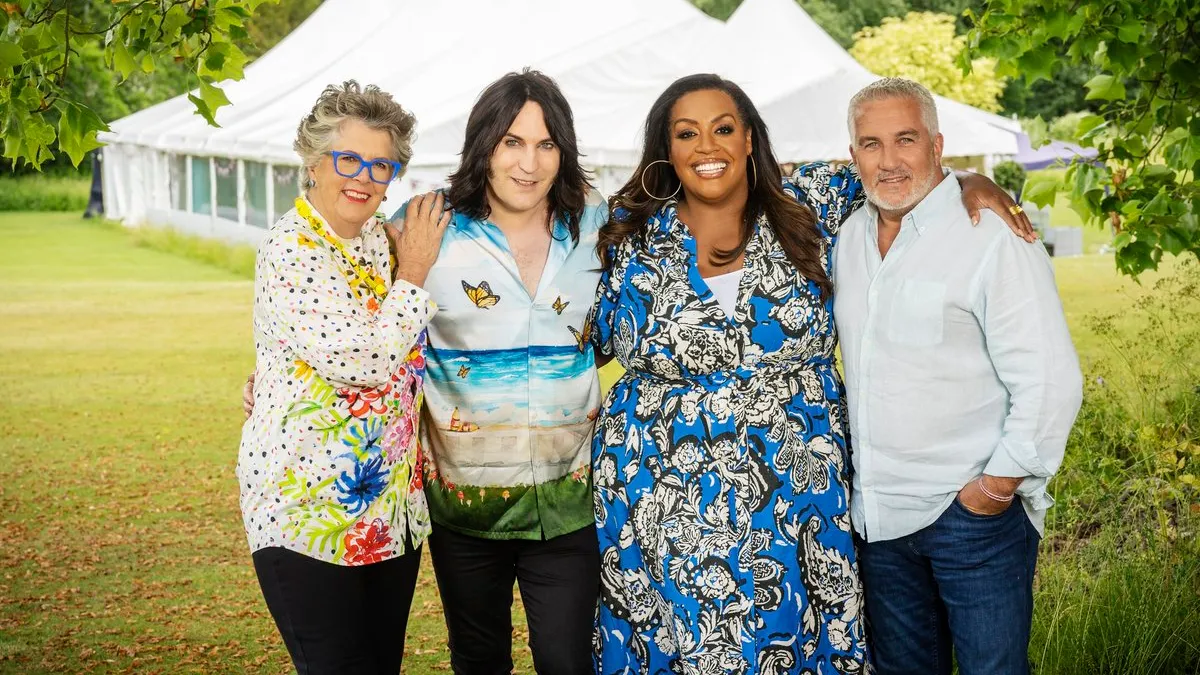
The world of television is filled with stories of adaptation, localization, and branding strategies that help shows appeal to diverse audiences around the globe. One such fascinating example is the popular baking competition known as “The Great British Bake Off”. While it is an iconic staple in the UK, viewers in the United States are more familiar with its renamed version, “The Great British Baking Show”. But why does such a beloved show have different names depending on where you watch it? The answer lies at the intersection of branding rights, trademark issues, and marketing strategies that vary by country.
The Origin of ‘The Great British Bake Off’
Originally airing in the UK in 2010, “The Great British Bake Off” quickly garnered a dedicated following thanks to its charming presentation, talented contestants, and showcasing of traditional British baking skills. Produced by Love Productions and aired on the BBC, the show gained international recognition and eventually caught the attention of networks abroad, prompting licensing deals for different markets.
The US Renaming: ‘The Great British Baking Show’
The transition from “Bake Off” to “Baking Show” in the U.S. was primarily a strategic decision rooted in copyright concerns. According to sources, the American rights holders for the show, including broadcasting networks and production companies, faced legal complications over the original name. Specifically, the term “Bake Off” was already a registered trademark owned by a different entity in the United States, making it difficult to simply import the original branding without legal issues.
Trademark Challenges and Legal Constraints
- Trademark disputes: The phrase “Bake Off” had been previously registered as a trademark by other entities, which created legal complications that prevented U.S. broadcasters from using the same name.
- Brand differentiation: The new branding as “The Great British Baking Show” helped distinguish the show legally while maintaining its core identity.
- Localization efforts: Networks aimed to make the title more recognizable and appealing to American audiences, who might associate “bake” more directly with baking rather than a “bake off” competition.
Marketing and Cultural Considerations
Beyond legal issues, another significant factor influencing the name change is cultural differences and marketing strategies. The term “Bake Off” resonates strongly with British audiences, evoking images of friendly competitions, traditional baking techniques, and a warm, quaint atmosphere. In contrast, American viewers might interpret “Bake Off” as unfamiliar or even confusing.
Hence, substituting “Baking Show” made the program immediately accessible and descriptive for American audiences. This strategic rebranding contributed to the show’s success across the Atlantic, allowing viewers to instantly understand the content and format of the show without cultural ambiguity.
Impact of the Name Change on Audience Reception
Interestingly, the name difference did not significantly impact the show’s popularity in the US. Many American viewers, once introduced to the program, quickly embraced its charm, format, and personalities. The shows’ distinctive format — featuring amateur bakers competing in a series of baking challenges — remained unchanged, ensuring that the core entertainment value persisted regardless of the title.
Comparison of the Branding Strategies
While the UK maintained the original title, the US adaptation reflects a broader pattern in international TV distribution:
- Respect for local trademark laws: Ensuring legal clarity helps in smooth licensing and distribution deals.
- Audience familiarity: Using culturally relevant terminology increases engagement and understanding.
- Brand recognition: Even with different names, the core identity of the show remains intact through visuals, format, and personalities.
Other Examples of Name Variations in International TV Shows
The case of “The Great British Bake Off” is not unique. Many successful shows undergo name changes when they cross borders, including:
- “The Office” (UK) vs. “The Office” (US): The US version kept the name but adapted some cultural references.
- “Prime Suspect” (UK) vs. “Prime Suspect” (US): Sometimes the titles remain the same but are marketed differently.
- “MasterChef”: This franchise maintains its name across many countries, although localized branding efforts often emphasize the show’s local flavor.
The Significance of Branding in International TV Distribution
The renaming of “The Great British Bake Off” highlights a central aspect of television marketing: the importance of branding coherence across markets. Trademarks, cultural recognition, and legal considerations all influence how a show is presented to audiences worldwide. Effective branding aligns with regional expectations and legal requirements while preserving the show’s core appeal.
In summary, the different names for this beloved baking competition reflect thoughtful adaptations to legal and cultural landscapes. The shift from “Bake Off” to “Baking Show” in the United States exemplifies how media companies navigate complex branding environments to deliver content smoothly and successfully across borders.
Ultimately, whether called “Bake Off” or “Baking Show,” the show’s heart remains the same — celebrating baking talent, fostering camaraderie, and mesmerizing viewers with delectable creations. The name may vary, but the sweetness of the show remains universal.
For more updated news please keep visiting Hourly Prime News.