

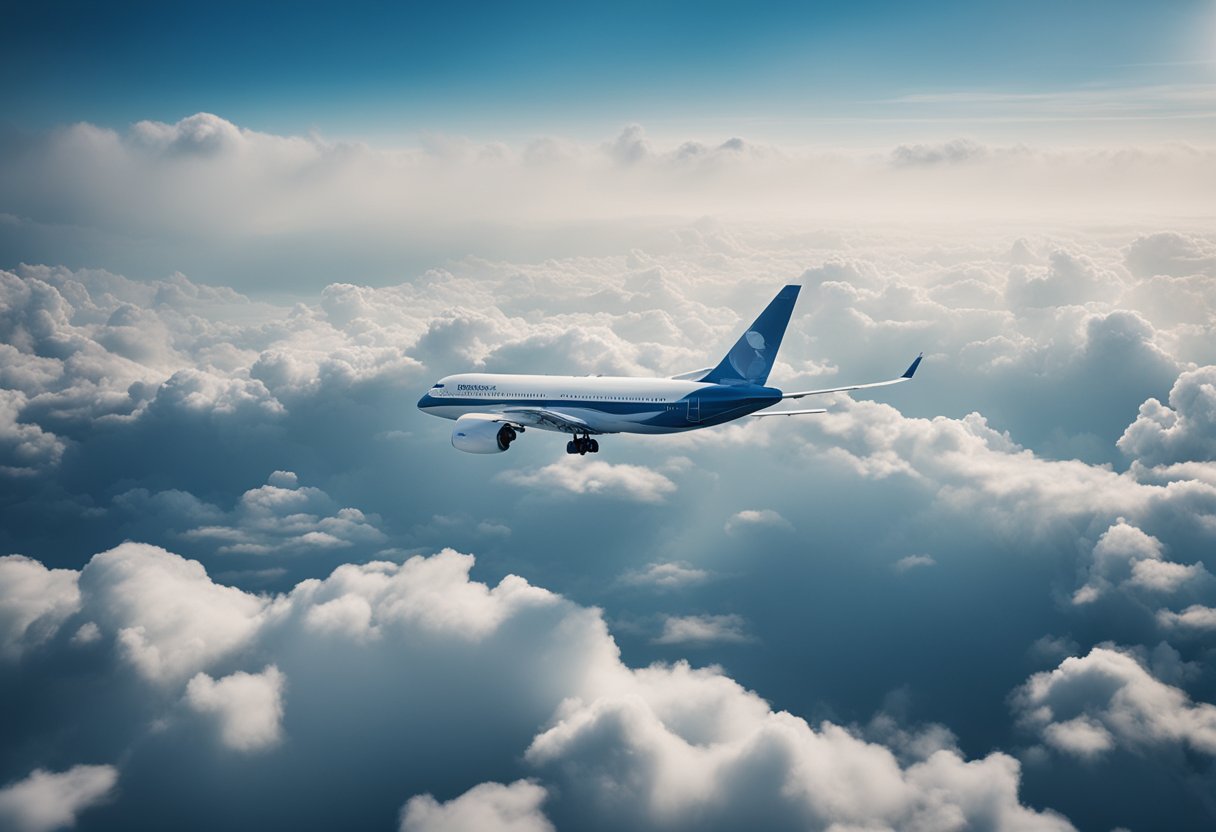
The landscape of commercial air travel is witnessing a significant shift as reports indicate an increase in mid-air jolts. Passengers and airline operators alike are preparing for a future where flights may not be as smooth as traditionally experienced. Several studies and recent news reports have highlighted the growing influence of atmospheric changes on flight stability, leading to more frequent and intense jolts during flights. This article delves into the underlying causes behind these changes, the potential impact on travelers, and what the aviation industry is doing to adapt to this evolving scenario.
Understanding the Rise in Mid-Air Jolts
Climate Change and Its Role in Atmospheric Instability
One of the primary factors contributing to increased turbulence is **climate change**. Rising global temperatures are causing alterations in atmospheric patterns, leading to more unpredictable and severe weather phenomena. According to recent studies and reports, the warming of the Earth’s surface affects jet streams—the high-altitude air currents that help steer weather systems and influence flight paths. As these jet streams become more erratic, the likelihood of encountering turbulence increases considerably.
Research from Inshorts and other sources reiterate that climate change intensifies atmospheric disturbances, thereby boosting turbulence levels. These disturbances travel downward from the upper atmosphere, making flights bumpier and less predictable.
Impact of Altered Jet Streams
The jet streams are vital for smooth transcontinental flights. However, as climate change affects their speed and pattern, airplanes often navigate through more turbulent air masses. The consequence is that flights, especially long-haul ones crossing over polar regions or at high altitudes, are increasingly facing unsteady conditions. The change in the typical flight path and the unpredictability of turbulence spots the aviation industry in a challenging position, requiring adaptive strategies.
Forecasts Indicating Increased Turbulence Incidents
Research and Experiments Supporting the Trend
Multiple recent studies indicate that turbulence is on the rise. Research from Reading University and similar academic institutions show a clear correlation between climate variations and an increase in flight turbulence frequency. The research suggests that flights will not only experience more turbulence but also more severe forms, including unexpected jolts that can disturb passenger comfort and safety.
Passenger Experience and Safety Concerns
This evolving situation poses significant challenges for nervous flyers, frequent travelers, and airline safety protocols. Turbulence, especially when unexpected, can lead to injuries among unbuckled passengers, compromise in-flight security, and increased cabin discomfort. As the intensity and occurrence of turbulence rise, airlines are compelled to reassess their operational procedures, passenger advisories, and safety measures.
Expert Predictions and Warnings
Warnings About Worsening Turbulence
Experts at NDTV and other news agencies have voiced concerns about the growing severity of turbulence. According to their reports, turbulence in planes is set to worsen significantly due to climate change. This is reinforced by multiple studies that warn of a future where unsteady air conditions could be pervasive, leading to more frequent mid-air jolts.
Specifically, a study cited by NDTV indicates that turbulence could become quite disruptive, affecting not only passenger comfort but also flight scheduling and fuel efficiency. Airlines might need to incorporate advanced turbulence detection systems and revise routing plans to mitigate the hazards posed by extreme atmospheric instability.
Impact on Nervous Flyers and the Industry
Nervous flyers will find flights increasingly stressful, potentially requiring more psychological support and reassurance. Airlines may need to invest in passenger education about turbulence and safety protocols, along with technological upgrades like turbulence prediction algorithms to enhance flight safety and comfort.
Aircraft and Industry Adaptations
Technological Innovations
To cope with rising turbulence, the aviation industry is investing in technology. Enhanced weather radar systems, real-time turbulence trackers, and predictive modeling are now becoming standard features for airlines. These tools enable pilots to anticipate turbulent zones and adjust altitude or flight path to avoid severe conditions.
Operational Changes
Flight crews are receiving specialized training to handle more turbulent conditions efficiently. Additionally, airlines are considering modifications in aircraft design, such as improved shock absorption systems and reinforced fuselage structures, to withstand increased jolts without compromising passenger safety.
Passenger Comfort and Safety Measures
- Enhanced Cabin Protocols: Increased emphasis on safety briefings and ensuring passengers remain seated and buckled during turbulence.
- Improved Communication: Real-time updates about expected turbulence zones to reduce passenger anxiety.
- In-Flight Entertainment and Comfort: Providing engaging content and services to distract and comfort nervous travelers during turbulent episodes.
What Can Passengers Expect?
As turbulence frequency increases, travelers should prepare for more hiccups in their journeys. This includes potential delays, sudden jolts, and altered flight experiences. It’s advisable for passengers to follow safety instructions meticulously, keep their seatbelts fastened whenever seated, and stay informed through airline updates.
Being aware of the atmospheric factors at play can also help reduce anxiety. Understanding that turbulence is a natural response of planetary climate dynamics might alleviate some concerns, although passengers must remain vigilant and cooperative with crew instructions during flights.
The Future of Air Travel Amid Changing Atmospheres
The rise in atmospheric turbulence signifies a pivotal challenge for modern aviation. While technological advancements and strategic operational changes offer hope, the overarching influence of climate change remains a complex factor that the aviation sector must address. Long-term solutions may include more sustainable fuel sources, innovative aircraft design, and global efforts to combat climate change itself.
Passengers should anticipate a future where flying might involve more bumps but with increased safety measures to mitigate potential risks. Airlines and regulators worldwide are actively researching and implementing measures to ensure that despite atmospheric upheavals, air travel remains as safe and comfortable as possible.
Conclusion
The anticipated increase in mid-air jolts due to atmospheric changes is an undeniable consequence of rapidly changing global climates. As the atmosphere becomes more unstable, turbulence will become a more common feature of flights. While this presents new challenges for the aviation industry and travelers alike, collective efforts in technology, safety protocols, and environmental commitments are paving the way for a resilient and adaptive flying future.
For more updated news please keep visiting Hourly Prime News.