

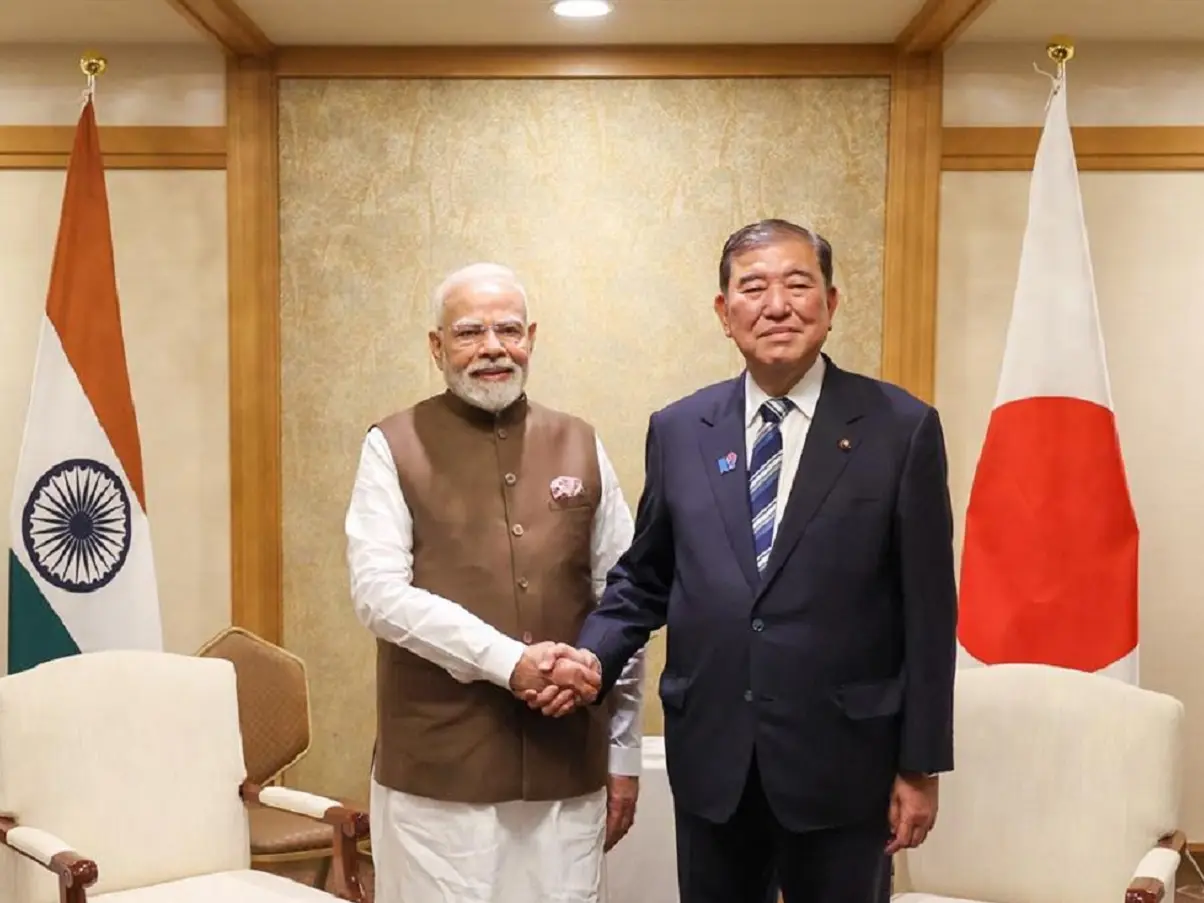
The recent visit of Prime Minister Narendra Modi to Japan marks a significant milestone in the evolving landscape of Indo-Japan diplomatic and economic relations. As global geopolitical dynamics shift, this high-profile visit underscores both nations’ commitment to strengthening their strategic partnership, fostering economic growth, and charting a collaborative future. This visit not only revitalized traditional ties but also set ambitious investment and cooperation goals, positioning India and Japan as pivotal partners in the Indo-Pacific region and beyond.
Highlights of PM Modi’s Japan Visit
The visit was characterized by several key moments that reinforced the depth and breadth of India-Japan relations:
- PM Modi Japan visit highlights | India strengthens ties with Japan, sets investment targets
- Handshakes, Smiles, Performances: How PM Modi Was Welcomed By Indian Diaspora In China
- Modi-Xi talks to focus on long-term stability, trade cooperation
- PM arrives in China, his first visit in 7 years; SCO meet, talks with Xi on cards
Strategic and Economic Significance
This diplomatic engagement is more than a ceremonial show of strength; it symbolizes a concerted effort by both nations to deepen economic, strategic, and diplomatic bonds. Prime Minister Modi’s visit coincided with high-level discussions on trade cooperation, regional security, and technological collaboration. The emphasis was on expanding bilateral trade, investment, and infrastructure projects, especially within the framework of the India-Japan Special Strategic and Global Partnership.
The visit also signaled Japan’s intent to be a pivotal partner for India’s infrastructural development, digital transformation, and climate action initiatives. Both leaders reaffirmed their commitment to a free, open, and inclusive Indo-Pacific, recognizing the region’s importance for global stability and economic prosperity.
Investment Goals and Future Roadmap
One of the most significant outcomes of this visit was the announcement of ambitious investment targets. India and Japan have pledged to enhance cooperation through various bilateral and multilateral initiatives, including:
- Increasing Japanese investment in India’s manufacturing and technology sectors, with a focus on high-tech industries, infrastructure, and renewable energy.
- Collaborative ventures in sectors like AI, digital infrastructure, and green energy, aligning with Prime Minister Modi’s vision of a sustainable and self-reliant India.
- Strengthening of financial collaborations, including green bonds and fintech partnerships, to boost sustainable development goals.
- Expanding people-to-people connections through education, cultural exchanges, and tourism, thereby fostering mutual understanding and goodwill.
Furthermore, Japan expressed a keen interest in supporting India’s ambitious infrastructure plans, such as smart cities, port development, and rail connectivity projects. The two countries aim to double their trade volume, reaching new heights of $350 billion within the next decade, as part of broader efforts to establish resilient supply chains and reduce reliance on external sources.
Broader Geopolitical and Regional Implications
The India-Japan alliance is now positioned as a cornerstone of regional stability amidst rising geopolitical tensions. This visit comes at a critical juncture, with China’s growing influence and the strategic partnerships of the US, Australia, and South Korea shaping regional policies.
By strengthening their economic and strategic ties, India and Japan are sending a clear message of multilateral cooperation and shared vision for regional stability. Their collaboration enhances deterrence against unilateral actions and promotes a rules-based order.
Conclusion: A New Chapter in India-Japan Relations
Prime Minister Modi’s visit to Japan has undoubtedly invigorated the bilateral relationship, setting a robust platform for future investments, strategic collaborations, and regional leadership. As both nations commit to their shared goals, the coming years are poised to witness a surge in mutually beneficial initiatives that will shape the economic and geopolitical landscape of Asia and the wider Indo-Pacific region.
This visit exemplifies the vision of a resilient and interconnected future, driven by cooperation, innovation, and mutual respect.
For more updated news please keep visiting Hourly Prime News.