

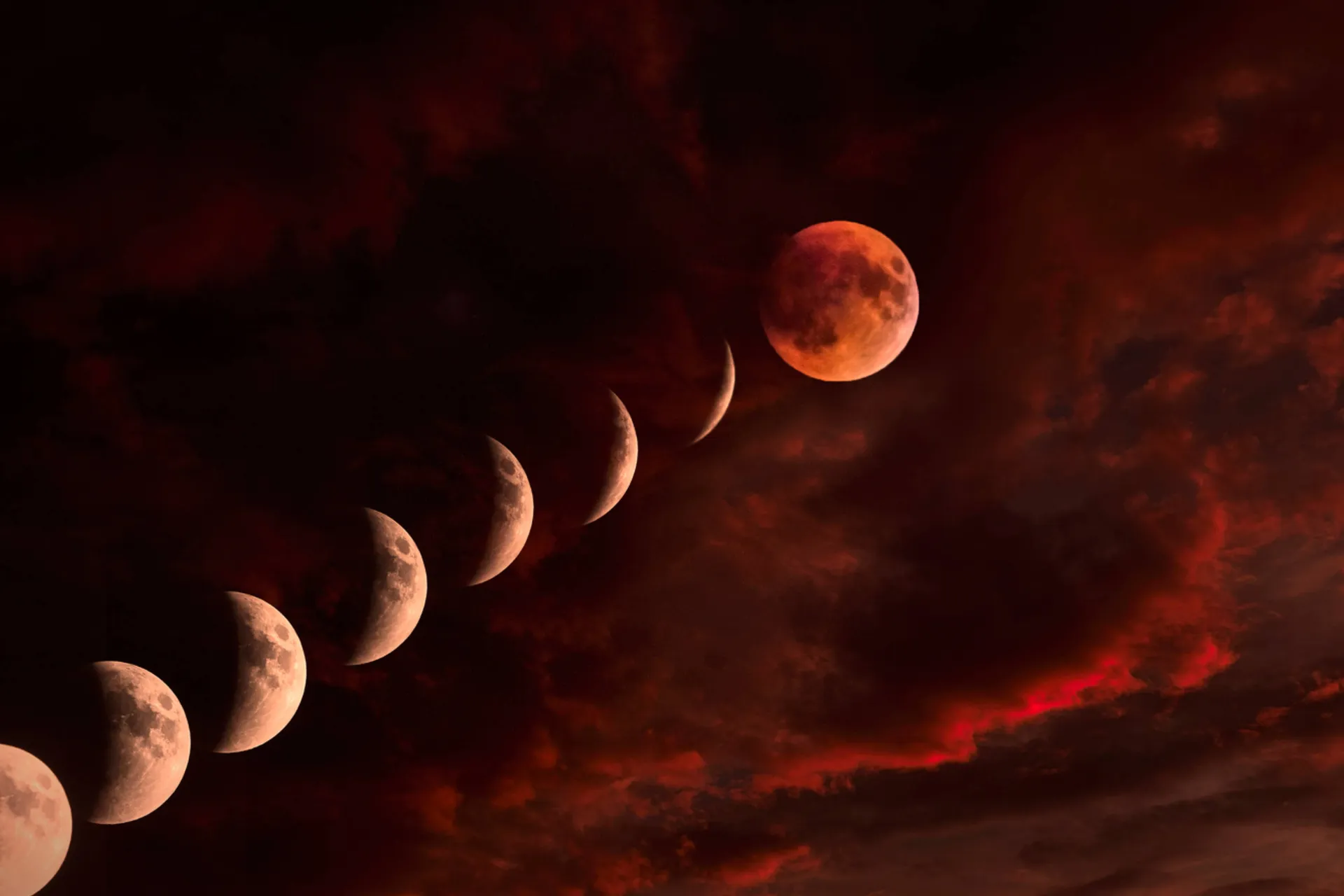
On the night of September 8, 2023, Taiwan will witness a rare astronomical phenomenon that is both mesmerizing and scientifically significant—a blood moon during a total lunar eclipse. Such celestial spectacles are infrequent and capture the imagination of skywatchers and astronomers alike. Unlike regular full moons, a blood moon occurs when the Earth passes directly between the sun and the moon, casting a reddish hue on the lunar surface due to the scattering of sunlight through Earth’s atmosphere.
Understanding the Blood Moon Lunar Eclipse
What is a Blood Moon?
The term “blood moon” is a poetic description of the reddish color the moon adopts during a total lunar eclipse. As Earth’s shadow engulfs the moon, direct sunlight is blocked. However, some sunlight still reaches the moon after passing through Earth’s atmosphere. The atmosphere filters out blue and green light, allowing only the red and orange hues to illuminate the lunar surface. This process imparts the eerie, yet beautiful, crimson glow seen during a blood moon.
The Significance of the Event
This upcoming lunar eclipse is particularly special because it is part of the longest total lunar eclipse since 2022, lasting approximately 82 minutes. This duration provides ample time for skywatchers to marvel at and photograph this stunning event. Moreover, blood moons have historically been associated with various cultural and spiritual interpretations across different societies, often regarded as moments of cosmic significance or omens.
When and Where to Watch in Taiwan
According to Focus Taiwan and other reputable sources, the eclipse will be fully visible across Taiwan, offering a spectacular view of the moon turning a deep, dark red. The event is scheduled to occur late at night on September 8, with the beginning of the eclipse around 9:09 p.m. local time, reaching its maximum redness around midnight, and concluding by approximately 1:22 a.m. on September 9.
- Key timings for Taiwan:
- Start of the eclipse: around 9:09 p.m. on September 8
- Maximum eclipse (blood moon appearance): close to midnight
- End of the eclipse: approximately 1:22 a.m. on September 9
Sky enthusiasts are encouraged to find a dark, unobstructed vantage point away from city lights to fully enjoy the celestial display. Since the event occurs late at night, ensuring safety and appropriate preparations, such as bringing warm clothing and binoculars, can enhance the experience.
The Scientific and Cultural Context
The Science Behind the Blood Moon
The lunar eclipse phenomenon is not rare on a cosmic scale, but total lunar eclipses—especially of this length—are infrequent enough to generate excitement among astronomers and the general public. The likelihood of a total lunar eclipse depends on the alignments of Earth, Moon, and Sun, which occur approximately twice a year. However, the duration and visibility of such events vary based on geographic location and specific orbital mechanics.
This specific eclipse will be observable in parts of Asia, Europe, Australia, and Africa, with Taiwan positioned ideally to witness the full spectacle. The extended duration makes it a prime candidate for observation and even educational discussions about lunar phases and celestial mechanics.
Cultural and Historical Significance
Blood moons have long fascinated civilizations throughout history. Many cultures have ascribed auspicious or foreboding meanings to these lunar events. For instance, various mythologies interpret blood moons as signs of change, divine intervention, or warnings. In some traditions, it’s considered an opportune moment for reflection, meditation, and cosmic connection.
In Taiwan, as in other parts of East Asia, lunar eclipses sometimes carry symbolic meaning related to balance and harmony in the universe. Modern scientists, of course, approach these events with curiosity and evidence-based understanding, emphasizing their importance in understanding the Earth-Moon-Sun system.
How to Prepare for Watching the Blood Moon
Best Practices for Observation
- Check local weather forecasts—clear skies are essential for viewing this celestial event.
- Adjust your schedule to be awake during the peak hours around midnight.
- Use binoculars or a telescope for a closer look, though a good pair of binoculars is sufficient for most viewers.
- Bring extra warm clothing, as late-night sky watching can be chilly in Taiwan.
- Invite friends or join local astronomy groups for shared excitement and educational discussions.
Capturing the Moment
Photographers and astronomers alike are eager to capture the blood moon in all its glory. Using a camera with manual settings, long exposures, and tripods can help produce stunning images. Remember to focus on the moon’s surface and adjust settings to balance the brightness of the eclipse with the darkened sky.
Reasons to Celebrate This Rare Celestial Event
This blood moon lunar eclipse offers both a thrilling scientific spectacle and a beautiful reminder of the universe’s grandeur. Its rarity and the extended duration make it a unique opportunity for both amateur and professional astronomers, educators, and casual skywatchers to witness a captivating event in the sky.
In an era dominated by digital screens and fast-paced lifestyles, such moments invite reflection and appreciation of the cosmos. Whether you’re a seasoned astronomer or a curious newcomer, observing the blood moon opens a window into the celestial dance that has been ongoing for billions of years.
Final Thoughts
The upcoming blood moon on September 8 promises to be a memorable event for Taiwan and the world. As we prepare to gaze upward, let us marvel at the natural precision of our celestial neighbors and remember the importance of exploring and preserving our understanding of the universe.
Make sure to mark your calendars, clear your schedule, and get ready for one of the most spectacular lunar displays of recent years.
For more updated news please keep visiting Hourly Prime News.