

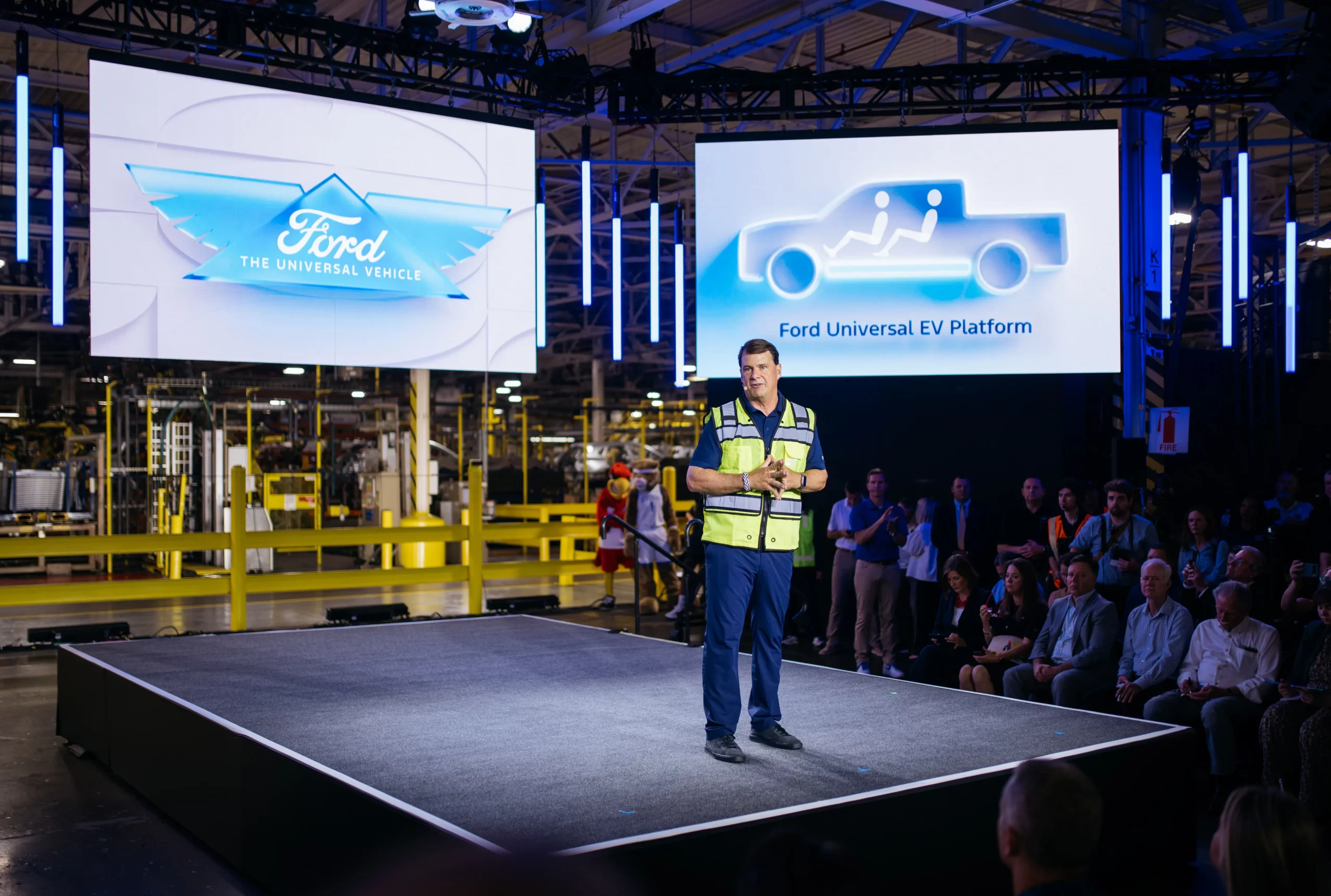
The global automotive industry is experiencing a wave of significant developments that will shape its future trajectory. From the European Union’s efforts to negotiate tariff deals with the United States to major shifts at General Motors and Ford’s latest advancements in electric vehicle (EV) infrastructure, these changes reflect a dynamic period of strategic realignment and innovation. Below, we delve into each of these pivotal updates, examining their implications for manufacturers, consumers, and policymakers worldwide.
EU Eyes a New Tariff Deal with the United States
The Context of Trade Relations Between the EU and U.S.
Trade tensions and tariff disputes have long been a concern impacting the automotive and broader manufacturing sectors. Recently, the European Union has renewed its focus on establishing a tariff agreement with the United States, aiming to foster smoother trade relations and mitigate economic uncertainties.
The Significance of the Proposed Tariff Deal
By pursuing a tariff deal, the EU seeks to:
- Reduce Tariffs on Steel and Aluminum: Lowering import taxes could decrease production costs and pass savings onto consumers.
- Address Disputes Over Subventions: Clarify and resolve disagreements related to subsidies for industries like aerospace and automotive manufacturing.
- Strengthen Transatlantic Economic Ties: Improved trade relationships could promote investment, innovation, and job creation on both sides.
Potential Challenges and Opportunities
While there is optimism about forging a reciprocal agreement, obstacles such as national security concerns, protectionist policies, and differing regulatory standards might complicate negotiations. However, a successful tariff deal could result in enhanced market access, decreased costs, and increased competitiveness for industries operating within both regions.
GM Pauses Factory Zero Shifts Amid Strategic Realignment
Understanding Factory Zero and Its Role
Factory Zero, located in Detroit, Michigan, is GM’s flagship electric vehicle manufacturing plant. It symbolizes GM’s commitment to electrification and future mobility solutions, aiming to produce a wide range of EVs that appeal to diverse market segments.
Reasons Behind the Shift Pause
Recently, GM announced a temporary pause in Factory Zero’s production shifts. The key reasons include:
- Supply Chain Disruptions: Global shortages in semiconductor chips and raw materials have impacted production schedules.
- Transition to New Technologies: Upgrading manufacturing lines to incorporate more advanced EV assembly techniques requires periods of halted production.
- Market Demand Fluctuations: Adjustments are being made to better align output with evolving consumer preferences and inventory levels.
Implications for GM and Consumers
While the pause might temporarily affect delivery timelines, it underscores GM’s strategic approach to refining its EV manufacturing capabilities. This shift aims to enhance efficiency, incorporate cutting-edge technology, and ultimately deliver higher-quality vehicles to consumers.
Ford Launches Open Electric Vehicle Fast-Charging Network
Innovative Approach to EV Infrastructure
In a major step towards expanding EV adoption, Ford unveiled an open, accessible fast-charging network designed to support electric vehicles for a broad range of users. Unlike proprietary charging stations, Ford’s new network promises greater interoperability and convenience.
Key Features of Ford’s Fast-Charging Network
The network offers:
- Widespread Accessibility: Open to all EV brands, encouraging greater adoption and reducing barriers to charging.
- High-Speed Charging Capabilities: Supports rapid charging sessions, reducing downtime for EV drivers.
- Intelligent Management Systems: Real-time data to locate available stations, monitor charging status, and facilitate seamless payments.
- Strategic Deployment: Stations are being installed along major highways, urban centers, and residential areas to maximize reach.
Impact on the EV Market and Consumer Experience
Ford’s initiative aims to promote confidence in EV ownership by addressing one of the critical hurdles: charging infrastructure. An open network means drivers don’t have to be limited by brand-specific chargers, thus broadening the appeal and convenience of EVs. This move could potentially accelerate the shift away from internal combustion engines and position Ford as a leader in EV infrastructure solutions.
Broader Industry Implications
Synergies and Competition
The interplay of tariff negotiations, manufacturing adjustments, and infrastructure development illustrates the multifaceted transformation occurring within the automotive sphere. As the EU seeks to smooth trade relations, manufacturers like GM and Ford are strategically adapting to supply chain realities and technological advancements.
Future Outlook
Looking forward, these developments suggest a more interconnected and innovative automotive landscape. The prospects include:
- Accelerated EV Adoption: Improved charging solutions and manufacturing strategies to meet growing consumer demand.
- Enhanced Global Trade Dynamics: Potential tariffs agreements to foster equitable growth and reduce friction.
- Technological Leadership: Companies investing in open platforms and advanced manufacturing to stay competitive.
Conclusion
As the automotive world navigates trade negotiations, technological shifts, and infrastructural advancements, stakeholders must stay abreast of these changes. The EU’s effort to establish a tariff deal with the U.S. could ease trade tensions and invigorate economic ties. Simultaneously, GM’s strategic pause at Factory Zero signifies a focus on refining EV production quality, while Ford’s open fast-charging network demonstrates a dedication to improving the EV ecosystem for consumers worldwide.
This dynamic period underscores the importance of innovation, strategic cooperation, and resilient supply chain management—all essential ingredients for shaping a sustainable and prosperous automotive future.
For more updated news please keep visiting Hourly Prime News.