

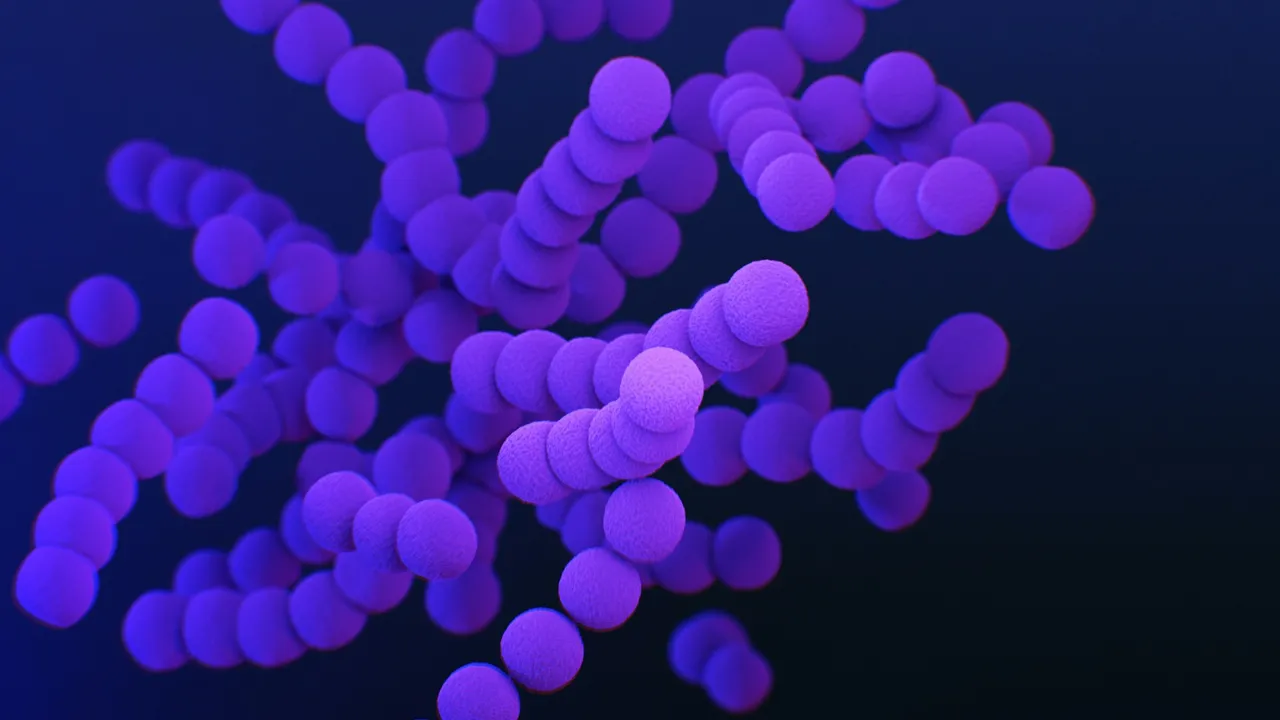
In recent years, the alarming rise of antibiotic-resistant superbugs has posed one of the greatest challenges to modern medicine. Traditionally, discovering new antibiotics has been a time-consuming and costly endeavor, heavily reliant on trial-and-error methods and natural microbial exploration. However, groundbreaking advancements in artificial intelligence (AI) are revolutionizing this landscape, opening new avenues for pinpointing nature’s hidden antibiotics buried within the vast microbial world.
The Need for New Antibiotics in a Changing World
Antibiotics have been a cornerstone of modern healthcare, drastically reducing mortality from bacterial infections. Yet, the speed at which bacteria develop resistance is outpacing the pace of new drug development. The World Health Organization warns that superbugs could cause 10 million deaths annually by 2050 if no significant innovations occur. This impending crisis has prompted scientists to seek novel approaches to antibiotic discovery, and AI-driven techniques are leading the charge.
How AI Is Transforming Antibiotic Discovery
Artificial intelligence encompasses a set of sophisticated algorithms capable of analyzing enormous datasets, recognizing patterns, and making predictive models with minimal human intervention. In the context of antibiotic discovery, AI can process genomic data from microbes, chemical compound libraries, and biological interactions to identify promising candidates more rapidly and accurately than traditional methods.
Uncovering Hidden Microbial Compounds
- AI algorithms analyze genomes of ancient and rare microbes: By examining microbial genetic sequences, AI can identify biosynthetic gene clusters that encode the production of novel antimicrobial compounds. For instance, Penn Today reports how AI uncovers new antibiotics in ancient microbes, revealing that the microbial fossil record holds untapped chemical defenses against pathogens.
- Discovery of antibiotics in unexplored environments: Deep-sea vents, soil samples, and other extreme environments harbor unique microbes. AI helps in deciphering the biosynthetic potential of these microbes, increasing the chances of finding effective and unconventional antibiotics.
Predictive Modeling for Antibiotic Activity
- Designing molecules with enhanced efficacy: Machine learning models can predict which chemical structures are likely to possess antimicrobial properties, thereby guiding synthetic chemistry efforts efficiently.
- Assessing resistance potential: AI models can forecast the likelihood of bacteria developing resistance to specific compounds, enabling the development of more sustainable antibiotics.
Successful Breakthroughs and Promising Developments
Recent studies highlight how AI has facilitated the discovery of promising candidate antibiotics. MIT Technology Review reports on AI-designed antibiotics showing great promise, which could potentially outsmart superbugs that have become resistant to existing drugs. Similarly, researchers are leveraging AI to uncover previously unknown natural compounds with antimicrobial activity. For example, by analyzing large datasets of microbial genomes, scientists have identified new classes of antibiotics that were hidden in ancient or underexplored microbes.
Overcoming Challenges with AI
Despite these advances, integrating AI into antibiotic discovery faces hurdles such as data quality issues, the need for extensive validation, and regulatory approval processes. Still, the progress so far indicates that AI can dramatically reduce the time from discovery to development, bringing effective new antibiotics to market faster than ever before. MIT’s new antibiotics leveraging AI showcase how machine learning can enhance the precision and efficiency of drug development, offering hope against the superbug threat.
The Future of AI-Driven Antibiotics
The future is promising. As AI models become more refined and datasets grow richer, we can expect an accelerated pipeline for antibiotic discovery. Researchers anticipate that AI will not only unveil new compounds but also facilitate personalized treatments against resistant infections, tailoring antibiotics precisely to individual bacterial strains. Moreover, collaborations across academia, industry, and government are crucial to translate AI discoveries into real-world medicines.
Ethical and Practical Considerations
- Data transparency and sharing: Ensuring that data used for AI models are comprehensive and publicly accessible can improve model accuracy and reproducibility.
- Regulatory pathways: Policymakers must adapt approval processes to efficiently evaluate AI-designed drugs without compromising safety.
Conclusion
Harnessing AI to uncover nature’s secret arsenal of antibiotics offers a transformative approach to combat bacterial resistance. By analyzing microbial genomes, modeling molecular efficacy, and uncovering hidden biochemical pathways, artificial intelligence accelerates the path toward discovering potent new drugs. As this technology continues to evolve, it promises to be a vital tool in safeguarding global health against the relentless threat of superbugs.
For more updated news please keep visiting Hourly Prime News.