

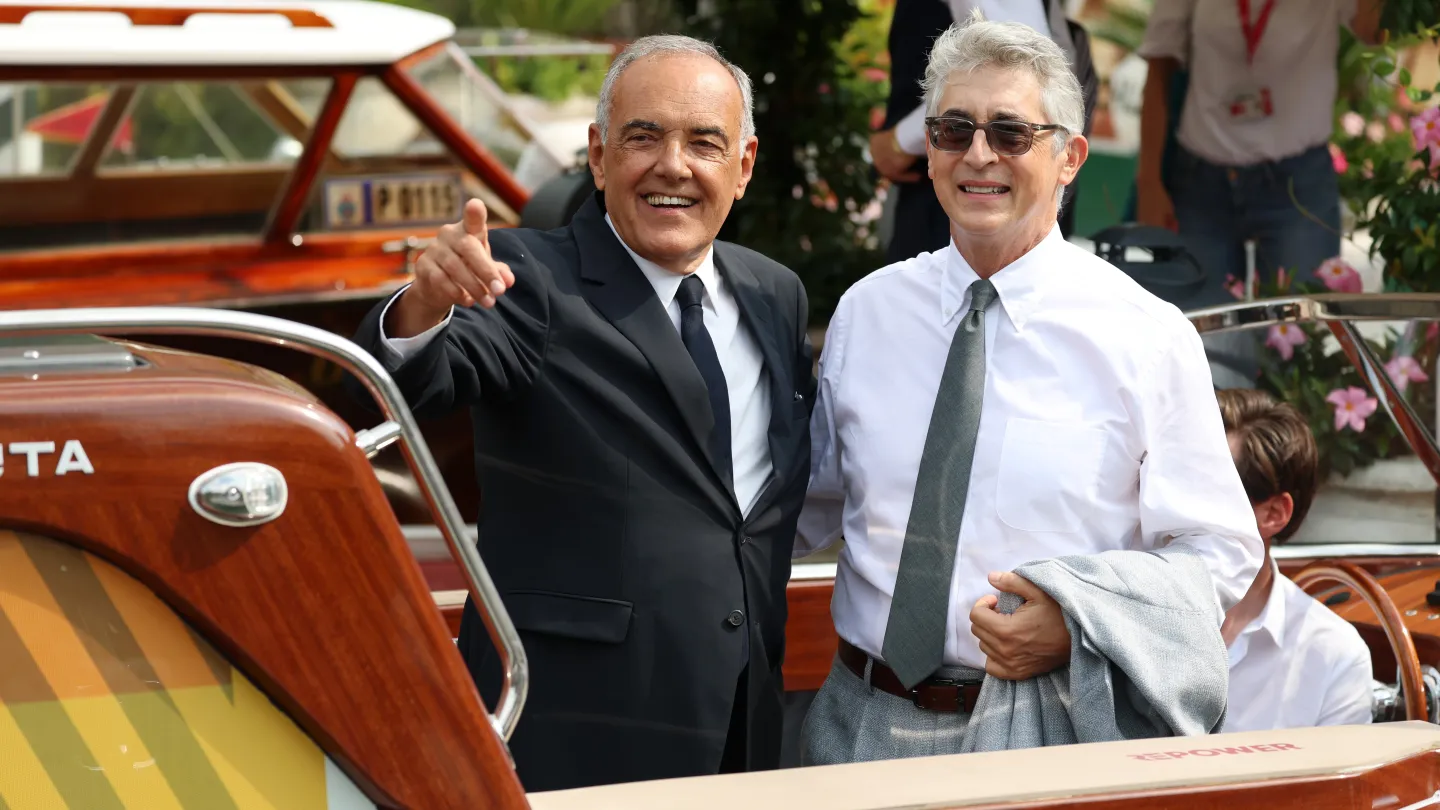
In recent times, the Venice Film Festival has not only been a platform for showcasing cinematic masterpieces but also a stage where global political issues often surface, intersecting with art and culture. One such notable moment involved the acclaimed filmmaker Alexander Payne, who, while attending the festival, was thrust into an intense wave of political questioning regarding the ongoing situation in Gaza.
Payne, known worldwide for his sharp storytelling and nuanced character portrayals, found himself navigating a complex landscape of politics and public opinion. As journalists and fans alike sought his perspective, Payne’s responses highlighted both a sense of discomfort and a broader issue: the challenge faced by artists and filmmakers in engaging with contentious geopolitical issues.
Payne’s Response: “Unprepared” and the Implication
What Did Alexander Payne Say?
According to recent reports from The Hollywood Reporter, Alexander Payne publicly admitted that he felt “unprepared” to comment on the Gaza conflict amidst a barrage of political questions at Venice.
This acknowledgment of his unpreparedness underscores a broader issue faced by many artists: while they are often seen as voices of social conscience, engaging directly with highly sensitive international conflicts can be daunting, especially when they lack detailed expertise or feel the weight of ethical considerations.
The Role of Filmmakers and Artists in Political Discourse
Why Are These Questions Significant?
- Reflection of Society’s Concerns: Questions directed at Payne mirror a global preoccupation with the Gaza crisis and its wide-ranging implications.
- The Power of Art and Cinema: Artists are often perceived as influencers who can shed light on complex issues, promote empathy, and inspire action.
- Balancing Personal Views and Artistic Boundaries: Artists like Payne face the dilemma of whether and how to voice their opinions without alienating audiences or compromising their artistic integrity.
Challenges Faced by Artists in Political Engagement
While many viewers expect artists to take a stand, the reality is that commenting on geopolitical conflicts can place artists in precarious situations, involving:
- Fear of Misinterpretation or Backlash
- Risking Professional Relationships or Funding Opportunities
- Dealing with Personal Ethical Dilemmas
What Does Payne’s Response Say About Artistic Responsibility?
Is Silence a Strategy?
Payne’s candid admission of being unprepared can be interpreted in multiple ways. Some argue that silence or non-commentary is a valid approach, especially when one lacks expertise or time to develop a nuanced position. Others believe that in today’s interconnected world, artists have a moral obligation to speak out, even if that entails risking controversy.
In Payne’s case, his response emphasizes the importance of authenticity and honesty. Instead of attempting to offer a potentially superficial opinion, admitting to a lack of readiness underscores a respect for the complexity of the issue and a desire to avoid contributing to misinformation or oversimplification.
Impact on Payne’s Career and Public Perception
Potential Effects of Avoiding Political Statements
Choosing not to comment can have both positive and negative repercussions:
- Positive: It preserves the artist’s focus on his craft, maintains neutrality, and avoids alienating segments of his audience.
- Negative: It might be perceived as indifference or disengagement from pressing social issues, potentially affecting his standing among socially conscious viewers.
However, Payne’s approach might also set an example for other artists, highlighting the complexity and personal nature of political engagement. Respecting one’s own limits and remaining true to one’s comfort level can be a valid stance in a polarized environment.
Future Outlook: Will Artists Confront Political Challenges More Openly?
In the wake of Payne’s experience at Venice, a broader conversation is emerging within the artistic community about how and when to engage with global political issues. The dynamics of social media, global connectivity, and public expectations are transforming the landscape.
Some artists are increasingly finding new ways to express their views through their work rather than direct commentary, using symbolism, storytelling, or subtle references to communicate their messages. Others advocate for more outspoken positions, arguing that silence can sometimes be mistaken for apathy.
Conclusion
Alexander Payne’s recent experience at Venice encapsulates the ongoing dilemma faced by many artists: balancing the desire to contribute thoughtfully to global conversations with the recognition of one’s own limitations and the complexity of geopolitical conflicts. His honest response underscores that, while art has immense power to influence and inspire, it also comes with significant responsibilities and challenges.
Ultimately, Payne’s stance invites a broader reflection on the role of art, the responsibilities of creators, and the importance of honesty in public discourse. As the world continues to grapple with crises in Gaza and beyond, artists and filmmakers will increasingly find themselves at the crossroads of politics and artistry, seeking ways to contribute meaningfully without overstepping personal boundaries.
For more updated news please keep visiting Hourly Prime News.