

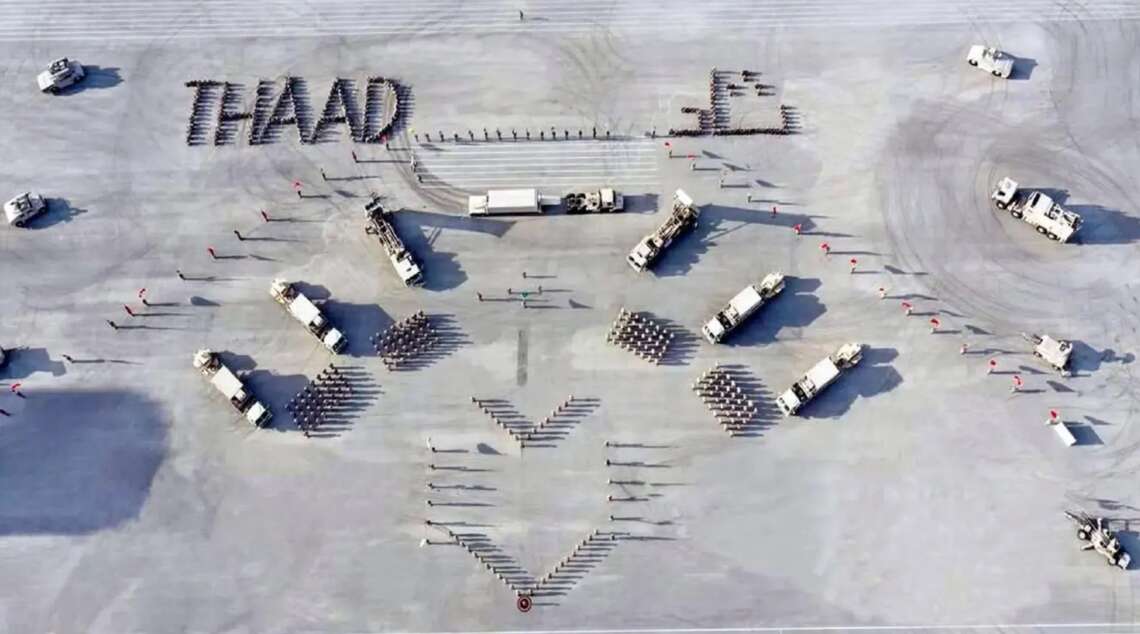
In a significant milestone for regional security and defense, Saudi Arabia has officially brought its first Terminal High Altitude Area Defense (THAAD) battery into full operational status. This development signals a transformative shift in the kingdom’s strategic defense posture, bolstering its ability to counter emerging missile threats in an increasingly volatile Middle East landscape.
The Significance of THAAD Deployment in Saudi Arabia
The deployment of the THAAD missile defense system in Saudi Arabia is not merely a technological upgrade; it reflects a strategic move towards greater regional stability and national security. The THAAD system is renowned for its capability to intercept short, medium, and intermediate-range ballistic missiles during their final phase of flight, thereby providing a robust shield against potential adversaries.
Why is this deployment a game-changer? It offers Saudi Arabia a significant layer of missile defense, reducing the threat of missile attacks from regional adversaries. This is particularly pertinent considering the ongoing tensions with Iran and the complex security scenario involving proxy conflicts and missile proliferation across the region.
Regional Implications and Strategic Balance
The activation of Saudi Arabia’s first fully operational THAAD battery not only enhances its national defense but also carries broader regional implications:
- Deterrence Against Threats: The presence of advanced missile defense systems acts as a deterrent to potential missile strikes, notably from Iran, which has been accused of developing missile capabilities aimed at regional powers.
- Strengthening Alliances: The deployment underscores the strength of U.S.-Saudi strategic ties, reaffirming Washington’s commitment to Middle Eastern security. The U.S. played a pivotal role in equipping and facilitating the deployment of this advanced technology.
- Impact on Regional Power Dynamics: With Saudi Arabia enhancing its missile defense shield, other regional actors may reevaluate their missile and defense strategies, potentially leading to a shift in the regional power balance.
Technical Capabilities and Operational Readiness
The THAAD system’s successful activation in Saudi Arabia marks a significant achievement in missile defense technology. Known for its high-altitude intercept capability, THAAD can quickly detect and destroy incoming ballistic missiles before they reach populated areas or critical infrastructure.
According to top U.S. military officials, including statements reported by Al Arabiya English, the Saudi system is now fully operational, ready to respond to any missile threat with precision and speed. Its deployment involves highly sophisticated radar and interceptor technologies designed to work seamlessly in complex operational environments.
Operational Significance
- Rapid Response: The system can rapidly detect, track, and neutralize missile threats, providing vital time for defensive measures and civil defense alerts.
- Integration with Regional Defense Networks: The battery’s integration into Saudi Arabia’s broader air and missile defense framework enhances coordination and effectiveness across defense assets.
Global Context and Geopolitical Tensions
The deployment of the THAAD system in Saudi Arabia is heavily intertwined with the region’s geopolitical tensions. As reports indicate, neighboring Iran is believed to be advancing its missile capabilities and missile technology proliferation. There have been multiple instances of missile attacks targeting Saudi territories from Iran-backed groups, underscoring the urgency for enhanced missile defense.
In recent reports, concerns intensify as Iran reportedly claims to be “fully prepared” to counter regional threats, including potential strikes from Israel and the U.S. forces. The activation of Saudi Arabia’s THAAD system adds a critical layer to its defensive infrastructure amidst these tensions, serving as a buffer against potential escalation.
Impacts on Regional Security and Future Outlook
The successful deployment of Saudi Arabia’s first fully operational THAAD battery marks a new chapter in the Middle East’s security landscape. It demonstrates Saudi’s commitment to defending its sovereignty and protecting its citizens from missile threats, which have become more sophisticated and frequent in recent years.
Moreover, this development reflects a broader trend of Middle Eastern countries investing in advanced missile defense systems to counteract the proliferation of missile technology in the region. As neighboring countries observe this strategic move, it may accelerate regional arms modernization efforts and foster increased cooperation among allied nations.
Potential Challenges and Considerations
While the deployment is a major achievement, it also presents certain challenges:
- Cost and Maintenance: Maintaining and operating advanced missile defense systems require significant financial investment and technical expertise.
- Adversary Countermeasures: adversaries might develop tactics to evade or overwhelm missile defenses, including salvo attacks or countermeasures like electronic warfare.
- Regional Arms Race: The deployment may spark an arms race, prompting neighboring countries to escalate their missile capabilities further.
Looking Ahead
The activation of Saudi Arabia’s first fully operational THAAD missile defense battery signifies a strategic milestone with far-reaching implications. It enhances the kingdom’s ability to safeguard its interests amid the evolving security environment and underscores its intent to modernize and strengthen its military infrastructure.
As geopolitical tensions persist and missile technology proliferates, this development underscores the critical importance of advanced missile defense systems in regional stability and security strategies. The ongoing cooperation between Saudi Arabia and allied nations will likely play a central role in shaping the future of Middle Eastern security architecture.
Ultimately, Saudi Arabia’s investment in state-of-the-art missile defense exemplifies a proactive approach to safeguarding national sovereignty and maintaining regional stability in an era characterized by complex threats and shifting alliances.