

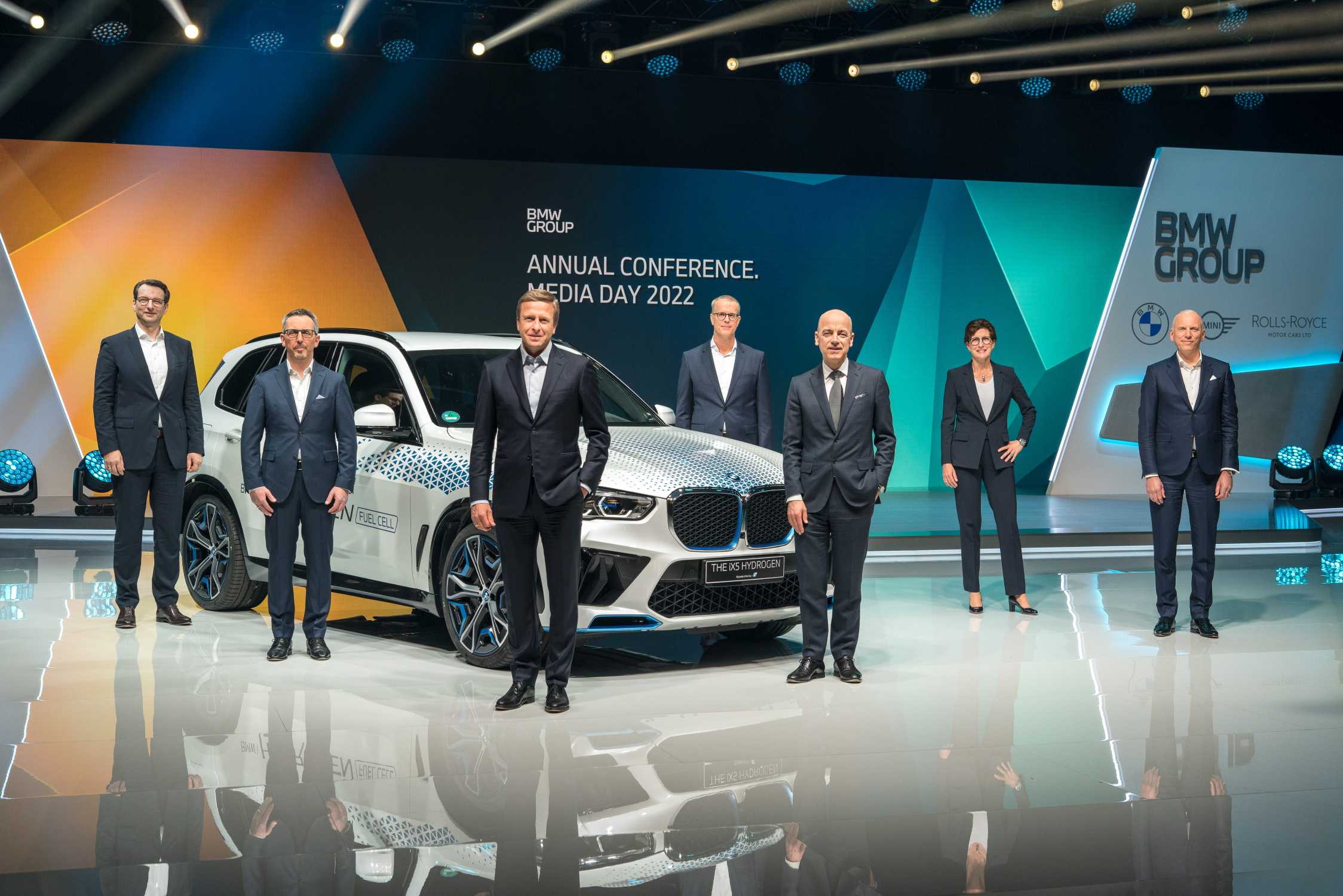
The automotive industry is on the brink of a remarkable transformation, driven by advancements in technology, sustainability ambitions, and an increasingly digitalized consumer landscape. At the forefront of this revolution is BMW, a brand renowned for its innovation and commitment to pushing automotive boundaries. Recently, Oliver Zipse, BMW’s charismatic CEO, unveiled exciting insights about the upcoming 2025 Eurostar project and the broader trends shaping the future of mobility.
The 2025 Eurostar Project: A New Paradigm in Connectivity and Sustainability
Introduction to Eurostar 2025
The Eurostar initiative is BMW’s ambitious blueprint for redefining automotive experience by 2025. It is designed to integrate cutting-edge technology, sustainable practices, and customer-centric design into a cohesive ecosystem. This project is not just about creating a new vehicle; it represents a shift towards a smarter, more connected, and environmentally-friendly transportation future. Oliver Zipse emphasized that Eurostar aims to set a benchmark for what mobility should look like in a post-pandemic, climate-conscious world.
Key Features of the Eurostar Innovation
- Advanced Autonomous Driving: Eurostar vehicles are expected to feature highly sophisticated autonomous capabilities, enabling safer and more efficient travel. Utilizing AI-powered sensors and machine learning algorithms, these vehicles will navigate complex environments seamlessly.
- Electrification and Sustainability: A major focus is on electric powertrains with extended ranges and rapid charging capabilities. BMW plans to utilize sustainable materials and pursue carbon-neutral manufacturing processes, aligning with global environmental targets.
- Enhanced Connectivity: The Eurostar series will be embedded with next-generation connectivity infrastructure, allowing vehicles to communicate with each other and with urban infrastructure. This will facilitate smarter traffic management and improved safety.
- Personalized User Experiences: Integration of artificial intelligence to tailor vehicle settings, infotainment, and services to individual preferences, creating a unique and immersive driver and passenger experience.
Future Trends in the Automotive Industry Highlighted by Oliver Zipse
Electrification Is No Longer an Option—It’s a Necessity
Zipse reiterated that the industry’s shift toward electrification is unstoppable. Automakers are investing heavily in EV technology, infrastructure, and battery innovations. BMW’s vision is to have a significant portion of their production fleet electrified by 2030, echoing a global move towards carbon neutrality. The Eurostar project exemplifies this commitment, showcasing vehicles that leverage the latest in electric propulsion systems and sustainable manufacturing techniques.
The Rise of Autonomous Vehicles and Artificial Intelligence
From adaptive cruise control to fully autonomous driving, Oliver Zipse foresees a future where self-driving cars become mainstream. The Eurostar series exemplifies this trend with enhancements in AI-driven navigation, obstacle detection, and decision-making algorithms. These innovations aim to redefine safety standards and reduce human error—a leading cause of road accidents.
Connectivity and Digital Integration as Core Competencies
Smart vehicles will communicate seamlessly with urban infrastructure, other vehicles, and personal devices. This interconnectedness will facilitate real-time traffic updates, predictive maintenance, and personalized in-car services. Zipse emphasized that data security and privacy are top priorities in developing these systems.
Impacts on Society and Urban Mobility
Transforming Urban Environments
Oliver Zipse envisions a future where cities are smarter, cleaner, and less congested thanks to autonomous, electric vehicles like those in the Eurostar lineup. These vehicles can reduce parking needs, optimize traffic flow, and contribute to lower emissions, aligning with urban sustainability goals.
New Business Models and Customer Engagement
The shift towards mobility as a service (MaaS) will reshape how consumers perceive ownership. Subscription models, ride-sharing, and mobility ecosystems are set to become standard, offering flexibility and cost-efficiency. BMW is actively exploring these avenues, integrating digital platforms with vehicle offerings to enhance customer engagement.
Challenges and Considerations Moving Forward
While the future appears promising, Zipse acknowledged several challenges:
- Technological Integration: Ensuring seamless interoperability between diverse systems remains complex.
- Regulatory Frameworks: Autonomous and electric vehicles require supportive policies and standards, which vary across regions.
- Consumer Acceptance: Convincing traditional drivers to embrace autonomous and electric vehicles involves education and trust-building measures.
- Supply Chain and Manufacturing: Scaling up new technologies demands resilient and sustainable supply chains.
The Road Ahead: BMW’s Vision for 2025 and Beyond
BMW’s commitment, as articulated by Oliver Zipse, is clear: the industry must focus on sustainability, innovation, and digital transformation to meet future demands. The Eurostar project encapsulates these priorities, exemplifying how vision, technology, and environmental responsibility can coalesce into a new era of mobility.
As we approach 2025, the promise of intelligent, electric, and autonomous vehicles is becoming a tangible reality. BMW’s leadership in this evolution sets an inspiring precedent for automakers worldwide, encouraging a unified effort to create a safer, cleaner, and more connected transportation ecosystem.
Conclusion
The insights shared by Oliver Zipse highlight a future where automobiles are not just means of transport but integral components of a broad, intelligent, and sustainable ecosystem. The Eurostar project paves the way for innovation that could redefine mobility for generations to come, blending technology, sustainability, and user-centric design into a compelling new chapter of automotive history.
Stay tuned to see how BMW’s innovative vision unfolds in the coming years, shaping the very way we live and move in urban and rural landscapes alike.
For more updated news please keep visiting Hourly Prime News.