

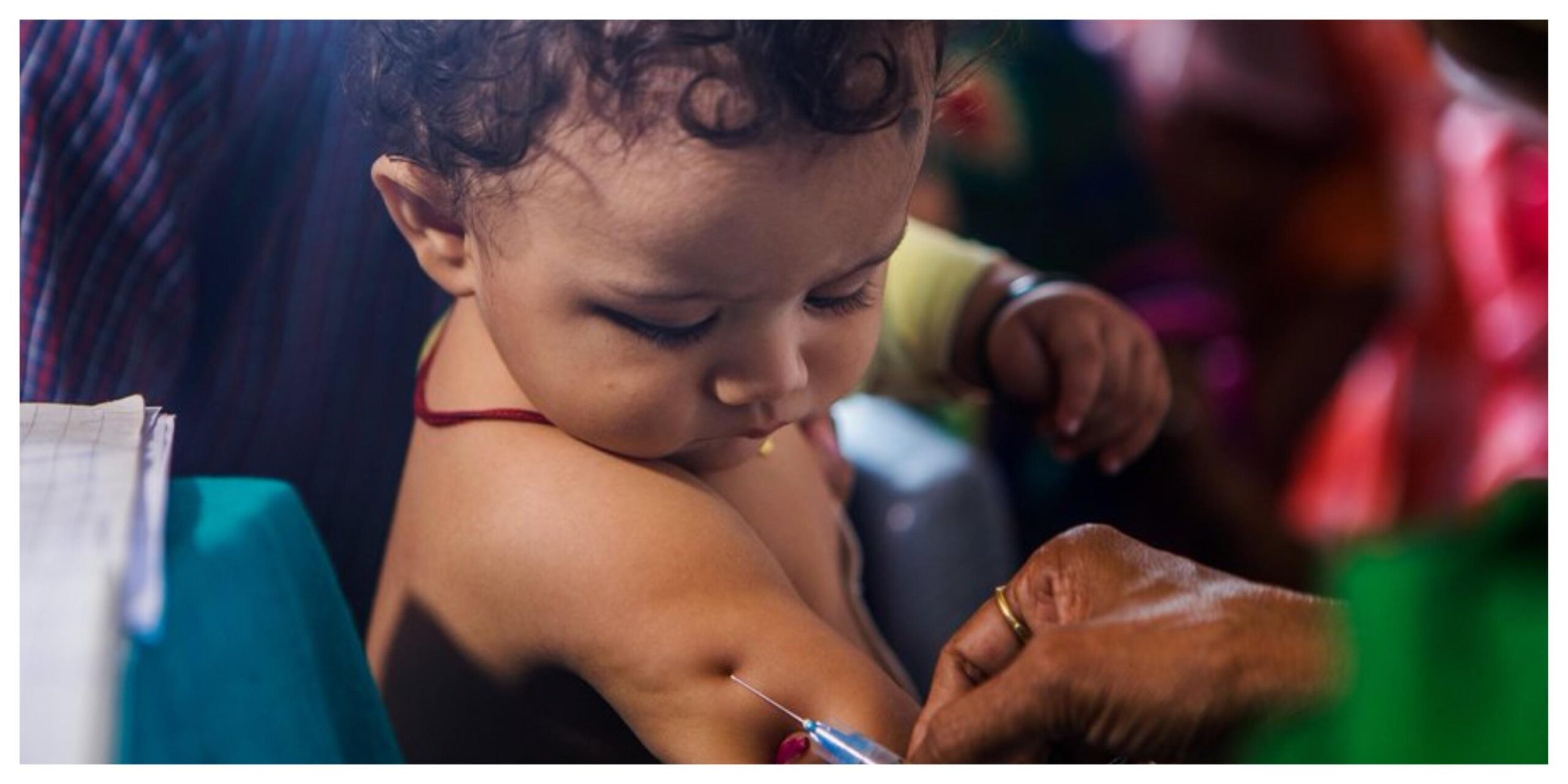
India’s Progressive Response to Child Health and Vaccination Challenges
India has been at the forefront of global health initiatives, making significant strides in improving child health and vaccination coverage. While international reports such as those published in The Lancet have sometimes questioned the country’s progress, recent developments and data tell a different, more optimistic story. India’s proactive policies and ground-level efforts are transforming the landscape of child health, earning it recognition as a model for other nations. This blog delves into the latest developments, highlighting India’s declining unvaccinated child rates, remarkable reductions in child mortality, and ongoing efforts to immunize high-burden districts.
India Responds to Global Reports with Confidence
Recently, reports circulated that cast doubt on the rate of unvaccinated children in India. Specifically, the Lancet published figures suggesting a higher prevalence of unvaccinated children, which India promptly dismissed. According to Medical Buyer newspaper, the Indian authorities expressed their disbelief at the report’s figures, asserting that they do not reflect the current realities on the ground. Such dismissals underscore India’s confidence in its national health surveillance apparatus and its commitment to transparency and tackling challenges head-on.
Impressive Decline in Child Mortality Rates
Exceeding Global Reductions
One of the most compelling indicators of India’s success is the significant decline in under-five mortality rates. According to recent data highlighted by News On AIR, India has achieved a remarkable 78% decline in child mortality over recent years—far surpassing the global average reduction of around 61%. Such progress reflects concerted efforts to improve healthcare access, nutrition, sanitation, and education.
Policy Initiatives Driving Change
This success is largely fueled by targeted government initiatives such as improved health infrastructure, expanded immunization programs, and community outreach. The National Health Mission, along with state-level programs, focus on reducing preventable deaths through vaccination, better neonatal care, and maternal health services.
Decline in Zero-dose Children: A Sign of Progress
Zero-dose children—those who have not received even the initial dose of routine vaccines—are considered a critical indicator of immunization coverage gaps. India has made impressive progress in reducing this vulnerable group. According to the PIB, the percentage of Zero-dose children in India declined from 0.11% in 2023 to 0.06% in 2024. This reduction positions India as a global exemplar in child health, with international agencies like the UN acknowledging these efforts.
Why is this important? Zero-dose children are at greater risk of morbidity and mortality. Reducing this group not only guards individual children but also indicates effective health outreach and immunization systems. India’s achievement in this area demonstrates robust infrastructure and community engagement to reach the most vulnerable children.
Focus on High-Burden Districts
The government has rolled out dedicated drives to accelerate immunization in districts with high disease burden. As reported by Hindustan Times, efforts are underway to improve immunization coverage in districts where disease outbreaks are more common. These targeted efforts include community awareness campaigns, mobile vaccination clinics, and partnership with local leaders to combat vaccine hesitancy.
Challenges and the Road Ahead
While these achievements are commendable, India’s health sector still faces challenges. The fight against vaccine hesitancy, infrastructural gaps in rural areas, and ensuring equitable access remain ongoing priorities. According to reports from Business Standard, the journey is far from over. Continued investment in healthcare infrastructure, training of health workers, and maintaining community trust are essential to sustain and advance progress.
Conclusion
India’s response to international skepticism, combined with its tangible progress in reducing child mortality and increasing vaccination coverage, demonstrates the effectiveness of its health policies and community engagement strategies. The decline in zero-dose children, the focus on high-burden districts, and the remarkable reduction in child mortality collectively showcase a nation committed to safeguarding the health of its children. While challenges remain, India’s journey offers valuable lessons on the power of government commitment, data-driven strategies, and community participation in overcoming public health challenges.
As India continues to build on its successes, it inspires hope for similar progress in other developing nations striving to improve child health and reduce preventable deaths. The progress made so far underscores that with sustained effort and strategic planning, no child’s health is beyond reach.