

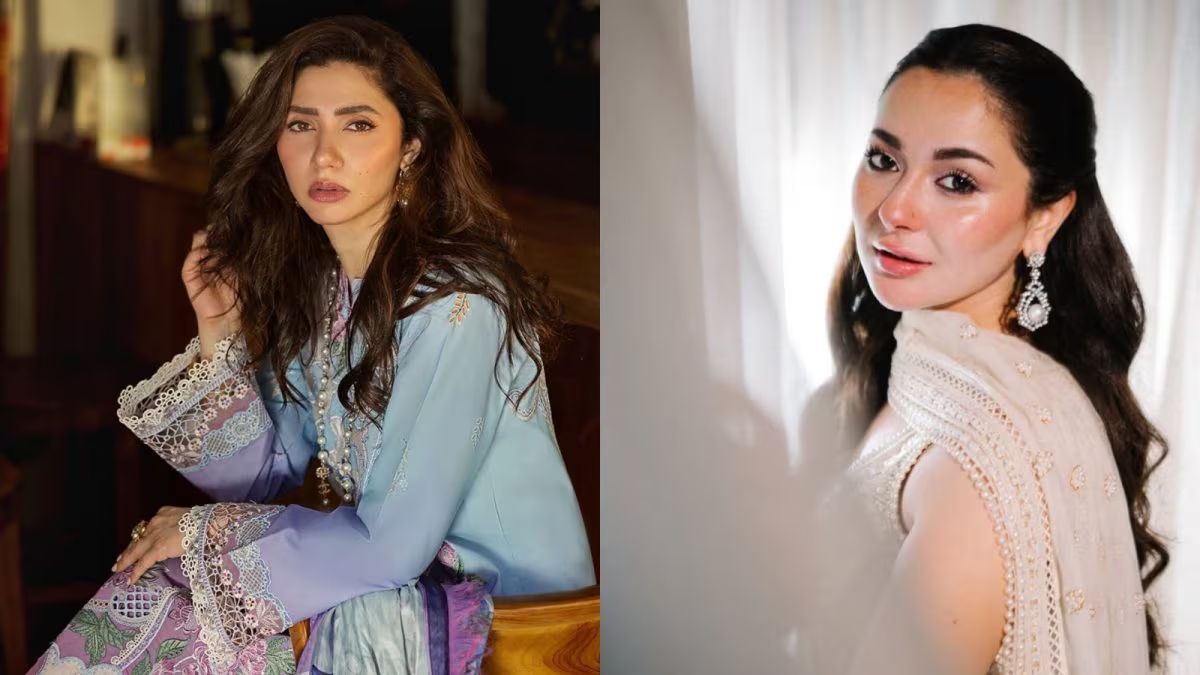
Pakistani Celebrities’ Social Media Accounts Blocked in India Again After Emergency Review
The ongoing political and diplomatic tensions between Pakistan and India continue to influence various facets of cultural exchange and digital interaction. Recently, a new wave of restrictions has hit Pakistani celebrities’ social media accounts in India, raising questions about freedom of expression and the impact of geopolitical disputes on individual rights. This article delves into the recent developments, their implications, and the reactions from the celebrity community and the public.
Recent Developments: Summarizing the Blockade
Following an emergency review process conducted by Indian authorities, numerous Pakistani celebrities’ social media accounts—across platforms like X (formerly Twitter), YouTube, and Instagram—were blocked or restricted once again. This action was reportedly a response to security concerns or political directives aimed at stemming the influence of certain Pakistani personalities on Indian digital spaces.
- Social media accounts of Pakistani actors, cricketers, and singers have been targeted, leading to a widespread ban that affects user access and engagement.
- The News18
- The Times of India
- Other major outlets like NDTV
Impact on Celebrities and Social Media Platforms
The ban has not only limited the online presence of Pakistani celebrities but also sparked outrage among their fans and supporters. Many of these personalities have built significant followings across Indian social media, influencing millions with their work in entertainment, sports, and music. The restrictions have led to a surge in frustration and concern about censorship and the growing influence of geopolitical disputes on individual freedoms.
The social media platforms themselves are also under scrutiny. YouTube channels of Pakistani content creators remain blocked, and their handles on platforms like X and Instagram are no longer accessible for Indian users. This widespread blockade has led to debates about the transparency of such actions and their compliance with international freedoms of expression.
Public and Celebrity Reactions
The reaction from Pakistani celebrities has been predominantly of disappointment and concern. Many have expressed their frustration on other international platforms, emphasizing the importance of cultural exchange and unity beyond political boundaries.
- Several prominent figures have posted messages advocating for open dialogue and the reinstatement of their social media accounts.
- Some celebrities have turned to alternative channels, urging fans to connect through other platforms or official websites.
- On the political front, officials from both sides have kept silent or issued statements reinforcing national sovereignty and security concerns.
The Broader Context and Future Outlook
The recent restrictions are part of a larger pattern of tightening controls amid ongoing diplomatic tensions. These measures reflect the fragile state of cross-border digital and cultural interactions. While authorities justify such restrictions on grounds of security or internal policies, critics argue that they undermine freedom of speech and economic opportunities for content creators.
As the situation develops, it is uncertain how long these bans will last or what measures might be taken to restore access. Some industry analysts believe that diplomatic negotiations and international pressure could play a role in easing restrictions. Meanwhile, celebrities and fans continue to search for alternative ways to stay connected and share their work.
Conclusion
The blocking of Pakistani celebrities’ social media accounts in India again highlights the interplay between politics and personal expression in the digital age. While security and sovereignty are valid concerns, the lasting impact on individual freedoms and cultural exchange cannot be ignored. Stakeholders across the spectrum must navigate these complexities to promote dialogue, understanding, and respect in a rapidly interconnected world.
As we await further developments, one thing remains clear: social media remains a powerful tool for cultural diplomacy, and any restrictions should be carefully balanced with the fundamental rights of individuals to communicate and express themselves.