

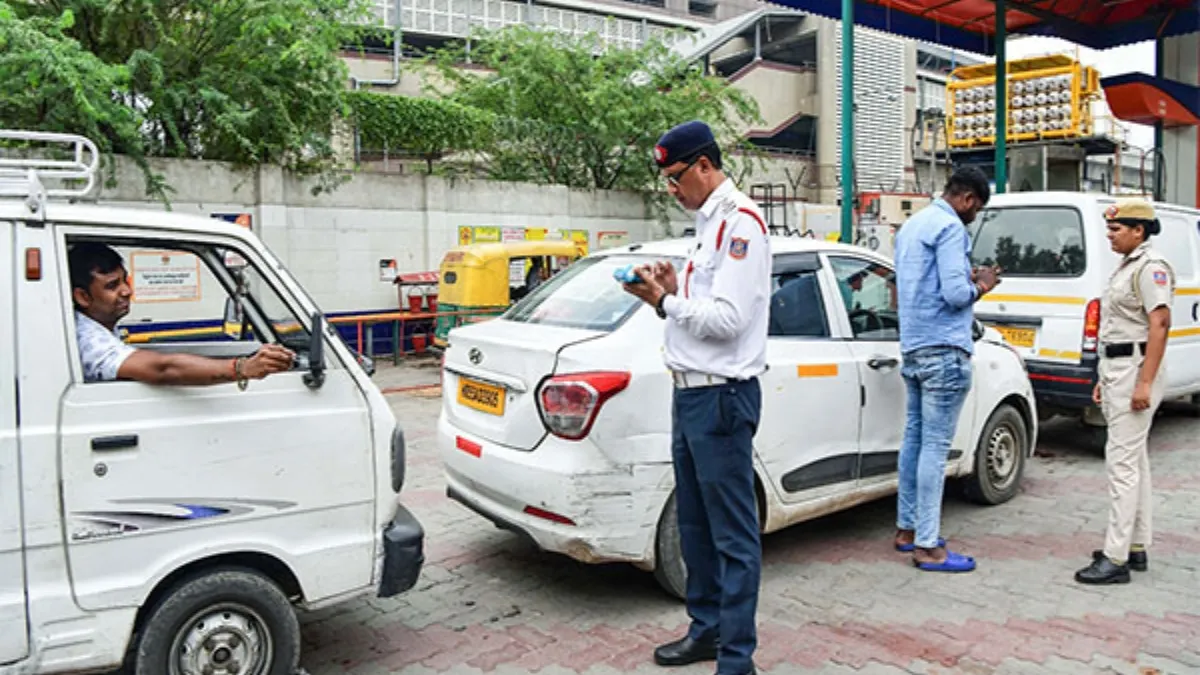
Delhi’s Fuel Ban on ‘End-of-Life’ Vehicles Sparks Widespread Anger
The recent decision by the Delhi government to impose a fuel ban on ‘end-of-life’ vehicles has triggered a wave of confusion, frustration, and accusations of bias among the city’s residents. As Delhi strives to tighten environmental regulations and combat pollution, this move has unexpectedly become a contentious issue, revealing deeper tensions within the city’s traffic management and policy enforcement strategies.
Understanding the Fuel Ban Policy
Delhi’s authorities introduced a policy aimed at phasing out older, polluting vehicles classified as ‘end-of-life.’ These vehicles, often comprising older models that have exceeded their usable lifespan, are believed to contribute disproportionately to air pollution and traffic congestion. The initiative aligns with India’s broader environmental commitments to reduce emissions and promote cleaner transportation options.
Under the new rule, vehicles that fall into the ‘end-of-life’ category are restricted from running on Delhi roads, particularly concerning their fuel type. The ban predominantly targets diesel and petrol engines that do not meet current emission standards, pushing owners to upgrade or replace their vehicles in a bid to comply.
Reactions from Delhiites: Confusion and Frustration
While the intent appears environmentally driven, many residents have expressed confusion regarding the implementation of this policy. Several vehicle owners report receiving conflicting information about which vehicles are affected, the timeline for enforcement, and the procedural steps to register exemptions or obtain permits.
Residents have voiced their grievances, highlighting issues such as:
- Unclear eligibility criteria: “How do we determine if our vehicle is ‘end-of-life’? The guidelines seem vague and inconsistent.”
- Lack of adequate notification: “Many of us weren’t properly informed beforehand, leading to sudden disruptions.”
- Increased financial burden: “Replacing an old vehicle isn’t easy, especially during current economic hardship.”
Furthermore, the situation has been exacerbated by logistical hurdles. Vehicle owners report long queues at government offices, delays in certification processes, and a scarcity of affordable options for upgrading vehicles. Many fear that the policy may disproportionately impact low- and middle-income families who depend on older vehicles for daily transportation.
Claims of Bias and Inequality
Among the most contentious issues is the perception of bias in the policy’s enforcement. Several citizens have alleged that the implementation appears skewed:
- Selective enforcement: “It seems some vehicle owners are being targeted more than others, raising questions about fairness.”
- Unequal support: “We see luxury and newer vehicles operating freely, while small vehicle owners bear the brunt of restrictions.”
- Potential corruption: “There are whispers about officials favoring certain vehicle owners or bypassing rules.”
Such perceptions undermine the credibility of the policy, leading to protests and calls for a review. Critics argue that without transparent and equitable enforcement, it is difficult to garner public support and compliance.
Environmental and Economic Impacts
The government asserts that the ban is a crucial step toward improving air quality by reducing vehicular emissions. Studies have shown that older engines release higher levels of pollutants such as particulate matter, nitrogen oxides, and carbon monoxide, significantly contributing to Delhi’s notorious smog issues.
However, the transition presents economic challenges. Small vehicle owners face the dual burden of environmental responsibility and financial strain. Replacement costs and the availability of affordable, eco-friendly vehicles remain pressing concerns.
Moreover, the policy’s success hinges on providing adequate support systems, such as incentivized vehicle scrappage schemes, affordable financing options, and an expansion of public transportation infrastructure.
Public Sentiment and the Path Forward
Despite the manifold issues, there is a consensus among many Delhiites that air pollution needs to be addressed urgently. The debate centers on balancing environmental goals with social equity and transparent execution.
To foster better acceptance, authorities could consider:
- Enhanced transparency: Clearly communicating eligibility criteria, enforcement procedures, and support mechanisms.
- Fair enforcement: Ensuring policies are applied uniformly across all vehicle owners.
- Providing alternatives: Expanding affordable public transportation, creating incentivized scrappage schemes, and offering assistance for vehicle replacements.
- Community engagement: Involving local residents in policy discussions to address their concerns proactively.
Conclusion
The fuel ban on ‘end-of-life’ vehicles in Delhi represents a significant step toward tackling the city’s pollution crisis. However, the manner of its implementation has sparked concern and confusion among residents, exposing the need for more transparent, equitable, and inclusive policymaking. As Delhi strives to transform its transportation landscape, fostering public trust and ensuring practical support will be key to achieving sustainable environmental gains without disenfranchising its citizens.
Only through collaborative efforts, clear communication, and comprehensive support can Delhi turn this challenging phase into an opportunity for meaningful environmental progress and social harmony.