

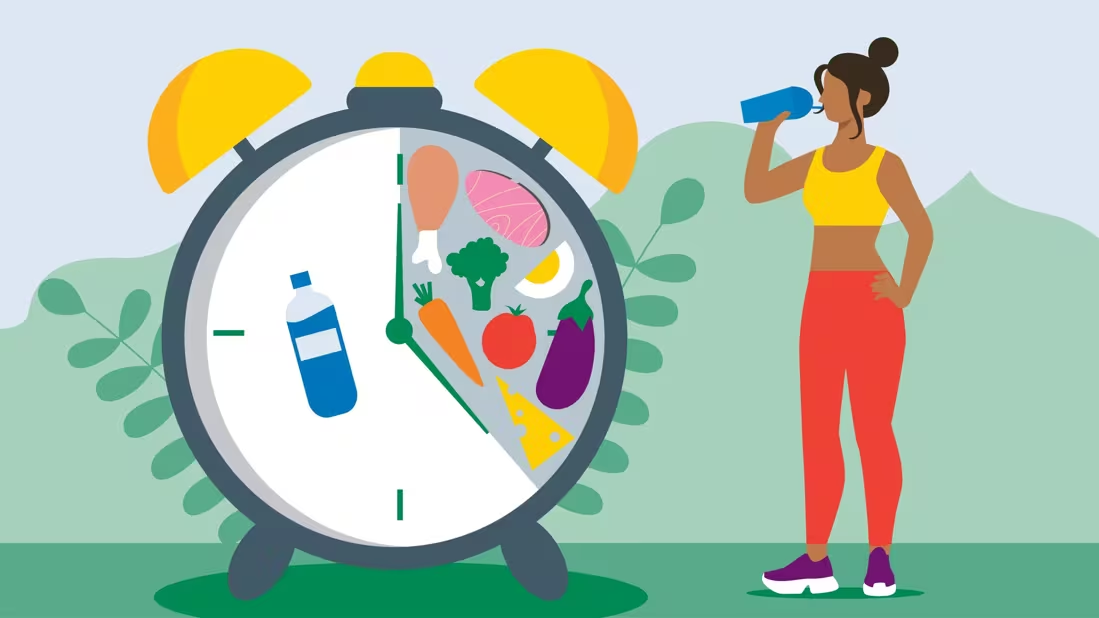
Intermittent fasting (IF) has surged in popularity as a lifestyle choice for weight management and health optimization. Many individuals turn to fasting protocols, believing that restricting food intake for certain periods can lead to faster fat loss, improved metabolic health, and increased mental clarity. However, emerging research and expert opinions suggest that this trend may carry significant risks, especially if not approached with caution. In this article, we explore the paradox of intermittent fasting, the potential dangers, and the crucial factors everyone should consider before adopting this practice.
The Intermittent Fasting Paradox: Eating Less May Do More Harm Than Good
According to India Today, the popular perception is that eating less through intermittent fasting automatically translates to better health outcomes. However, the reality is more complex. While short-term benefits such as weight loss and blood sugar regulation are well-documented, prolonged or improper fasting can backfire, leading to nutritional deficiencies, hormonal imbalances, and other health concerns.
The paradox lies in the fact that, in attempting to save calories or improve metabolic health, people might inadvertently deprive their bodies of essential nutrients, disrupt their circadian rhythms, and impair bodily functions. For example, extreme fasting or overly restrictive schedules can cause fatigue, dizziness, and even deteriorate mental health. Therefore, simply reducing food intake without proper guidance may be more harmful than beneficial.
Scientific Evidence on the Risks of Intermittent Fasting
Studies Highlight Potential Dangers
A recent comprehensive study highlighted by The Times of India indicates that intermittent fasting may come with unforeseen risks. Participants engaging in prolonged fasting or highly restrictive eating windows experienced adverse effects such as nutrient deficiencies, hormonal disruptions—particularly in women—and a decline in overall energy levels.
Besides metabolic and hormonal concerns, some research has pointed out the risk of developing eating disorders, especially in individuals with a history of disordered eating. The obsession with fasting windows and calorie counting can lead to unhealthy habits and psychological stress.
Risks for Specific Populations
Not everyone is equally suited for intermittent fasting. Women, in particular, need to approach fasting with more caution. According to femina.in, Indian women contemplating fasting need to be aware that hormonal balance, reproductive health, and energy requirements vary. Fasting can interfere with menstrual cycles, reduce fertility, and cause other health issues if not managed properly.
Moreover, individuals with pre-existing health conditions such as diabetes, cardiovascular diseases, or eating disorders should consult healthcare professionals before embarking on any fasting regimen. The risk of hypoglycemia, nutritional deficiencies, or exacerbating underlying conditions is significant if fasting is done without supervision.
Potential Negative Impacts of Fasting
Nutritional Deficiencies
When caloric intake is drastically reduced, chances are high that essential vitamins and minerals are neglected. Vitamins like B12, D, and minerals such as iron and calcium may become deficient, leading to anemia, weakened immunity, osteoporosis, and neurological issues.
Hormonal Imbalances
For women, hormonal health is intricately linked to nutrition and metabolic status. Interruptions to hormonal cycles—particularly estrogen and progesterone—may result in irregular periods, mood swings, and fertility issues. In men, severe caloric restriction might impair testosterone production, affecting muscle mass and vitality.
Psychological and Social Effects
Fasting can sometimes lead to increased stress, obsession with food, and social isolation, especially if individuals become preoccupied with tracking fasting windows and calorie intake. These psychological strains can diminish overall well-being, negating any supposed health benefits.
Is Intermittent Fasting for Everyone?
As discussed by femina.in, intermittent fasting is not universally suitable. Factors such as age, gender, activity level, health status, and lifestyle should influence the decision. For Indian women, cultural and social contexts also play a role. If not personalized properly, fasting might do more harm than good. Heed expert tips and listen to your body.
Guidelines for Safe Practice
- Consult Healthcare Providers: Always seek medical advice before starting any fasting protocol, especially if you have underlying health issues.
- Prioritize Nutrition: Ensure that meals are rich in essential nutrients, vitamins, and minerals to avoid deficiencies.
- Start Gradually: Ease into fasting routines rather than jumping into extended fasting windows.
- Monitor Your Body: Pay attention to signs of fatigue, dizziness, or mood changes, and adjust accordingly.
- Maintain Hydration: Drink plenty of water, herbal teas, or electrolyte drinks during fasting periods.
- Be Flexible: Recognize that fasting is not a one-size-fits-all solution. Adapt it to suit your individual needs and lifestyle.
The Bottom Line: Less Might Be Dangerous
While intermittent fasting has undeniable benefits if executed correctly, the potential risks are significant if not approached with caution. Avoid falling into the trap of believe that eating less always equals better health. Your body requires a balanced intake of nutrients, proper hormonal regulation, and psychological well-being for optimal functioning. Therefore, before embarking on an intermittent fasting journey, equip yourself with knowledge, listen to your body’s signals, and seek expert guidance.
Remember, the goal is sustainable health and vitality — not just short-term weight loss or trend-chasing. Less may sometimes harm your health more than you expect, so always prioritize safe, informed practices.
Final Thoughts
Intermittent fasting can be a powerful tool for health improvement when done responsibly. However, it is not a universal remedy, and its risks should not be underestimated. Strive for a balanced approach that emphasizes nourishment, mental health, and individual needs. Practice moderation, stay informed, and consult health professionals to ensure your fasting journey supports, rather than harms, your overall well-being.
For more updated news please keep visiting Hourly Prime News.