

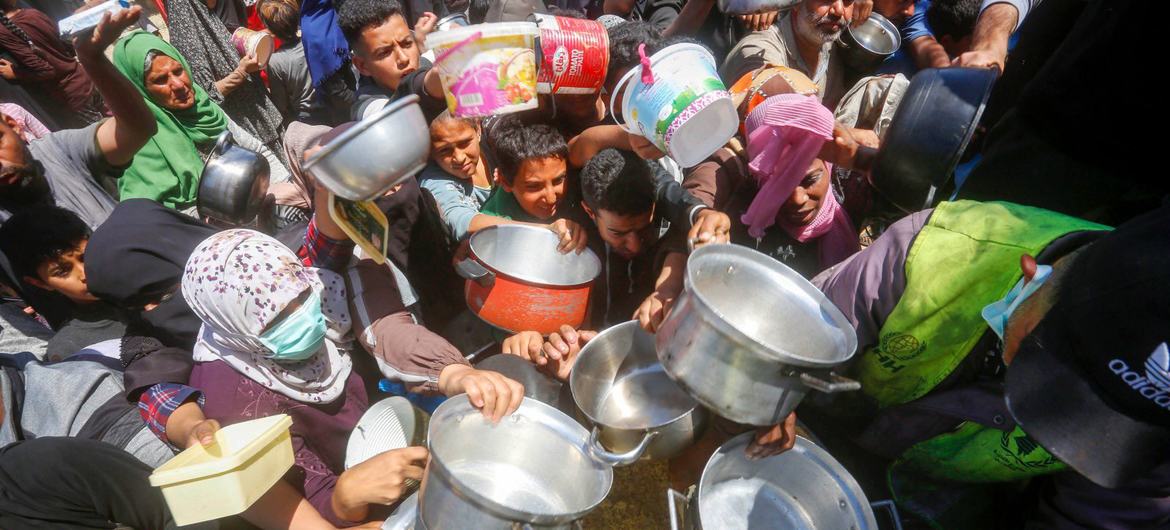
The Palestinian enclave of Gaza is facing an unprecedented humanitarian emergency as the specter of famine looms large over its population. Recent reports from international agencies and news outlets have sounded alarm bells, indicating that Gaza is now experiencing a full-blown famine—a situation that has not been witnessed in the Middle East before. The convergence of ongoing conflict, economic blockade, and dwindling humanitarian aid has created a perfect storm, leaving thousands desperate for basic necessities.
Evidence of Famine: Official Declarations and Reports
Multiple credible sources, including the United Nations, the BBC, The New York Times, and Al Jazeera, have confirmed the severity of the food crisis in Gaza. For the first time in history in the Middle East, the UN has declared a famine situation. According to a UN-backed report, famine has been officially confirmed in Gaza City and the surrounding areas, marking a disturbing milestone in the region’s history.
- Famine confirmed in Gaza City for the first time, UN-backed report says – BBC
- Gaza City and Surrounding Areas Officially Hit by Famine, Global Group Says – The New York Times
This declaration is significant because famine has, until now, been largely confined to regions of Africa and Asia, but the Middle East, with Gaza at the epicenter, is now experiencing this devastating phenomenon for the first time. The primary reasons include an escalating blockade, restrictions on imports and exports, and ongoing hostilities which have severely limited access to food, clean water, and medical supplies.
Factors Contributing to the Crisis
The Role of Blockades and Restrictions
The Israeli blockade, combined with restrictions imposed by neighboring Egypt, has crippled Gaza’s economy and constricted the flow of goods and services. The blockade has been in place for over a decade, but its recent intensification has further crippled Gaza’s ability to sustain its population.
Import restrictions have meant that essential supplies like food, medicine, and fuel are severely limited. According to reports, the inability to replenish stockpiles and the destruction of infrastructure have left many residents unable to access the basic resources necessary for survival.
Conflict and Political Instability
Continuous conflict between Israeli forces and Palestinian factions has further destabilized Gaza’s already fragile situation. Periodic escalations in violence have resulted in damage to agricultural land, markets, and infrastructure, reducing the region’s capacity to produce and distribute food.
This ongoing turmoil also hampers humanitarian aid efforts, making it difficult for relief organizations to deliver supplies and medical assistance to those in need.
Economic Collapse and Unemployment
Gaza’s economy has been in freefall, with unemployment rates soaring to unprecedented levels. The blockade has stifled economic activity, and the destruction of industries has left many without income, rendering them unable to purchase food or other essentials.
With the entire population dependent on humanitarian aid and limited local production, the risk of famine intensifies as supplies dwindle and prices soar.
The Human Impact: Facing Desperation and Hunger
Families are already feeling the harsh effects of food shortages. Anecdotal reports and humanitarian assessments describe scenes of heightened hunger, malnutrition, and suffering. Children, pregnant women, and the elderly are particularly vulnerable to the consequences of prolonged malnutrition.
Many residents have resorted to extreme measures to survive, including skipping meals and resorting to food aid of questionable quality and nutritional value.
International Response and Challenges
The international community, through various organizations and the UN, has called for urgent action to prevent a total humanitarian collapse in Gaza. However, access remains a critical issue. Blockades and security concerns have hindered the delivery of aid, complicating efforts to alleviate the crisis.
Moreover, political disagreements and the ongoing conflict have stymied comprehensive solutions. While temporary aid measures have been implemented, they are insufficient to address the scale of the problem or to prevent the spread of famine.
Global Implications and Urgent Calls for Action
The Gaza famine crisis is a stark reminder of how political conflicts can have devastating humanitarian consequences. The unfolding tragedy underscores the urgent need for renewed diplomatic efforts, comprehensive ceasefires, and sustained humanitarian aid to prevent further escalation.
It also raises broader questions about the international community’s role in conflict zones where basic human rights, such as food security and access to medical care, are severely compromised.
Addressing this crisis requires a multi-faceted approach: easing blockades, restoring economic stability, ensuring unfettered access for aid organizations, and working toward a lasting political solution that guarantees peace and stability in Gaza.
Conclusion
The situation in Gaza is a clarion call to the world—a stark illustration of how conflict and political deadlock can lead to human suffering unprecedented in recent history. The declaration of famine is not just a statistic but a wake-up call for urgent, coordinated action to save lives and restore hope to the beleaguered people of Gaza.
This crisis demands sustained international attention and intervention to prevent further catastrophe and to pave the way for a durable peace that addresses the root causes of this humanitarian disaster.
For more updated news please keep visiting Hourly Prime News.