

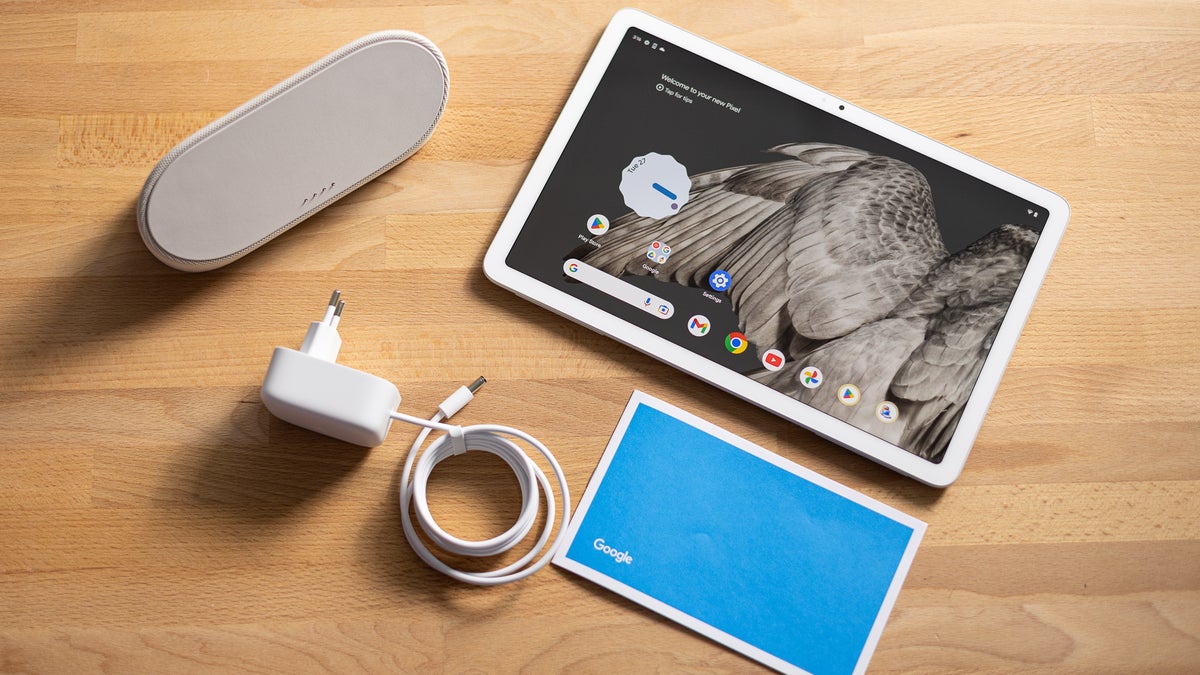
In the rapidly evolving world of technology, companies are constantly exploring new frontiers to stay ahead of the curve. However, Google has recently made a calculated decision to step back from developing certain hardware categories, specifically tablets, smart rings, flip phones, and glasses. This move has sparked discussions among tech enthusiasts, industry analysts, and consumers alike about the company’s strategies, priorities, and future plans.
Google’s Recent Revelations: A Closer Look
Google’s official statements, as reported by The Verge, emphasize that Google is deliberately not investing in the development of these devices—at least *for now*. While many industry players ramp up their hardware offerings in these categories, Google has made it clear that their current focus is elsewhere, primarily centered around their core product lineup and ecosystem integration.
The Strategic Reasons Behind Google’s Stance
Consolidation and Focus on Core Products
One of the primary reasons Google is avoiding diversification into these newer hardware segments is their need for strategic consolidation. The company’s flagship Pixel smartphones continue to receive significant attention, but even within that domain, Google plans to introduce redesigns only every 2-3 years, with no immediate plans for flip phones or tablets contrary to rumors. This indicates a focus on refining existing products rather than expanding into new, uncertain markets.
For example, Google’s Pixel phone line has shown promising growth, but the company recognizes that entering highly competitive spaces like tablets or smart rings may dilute their efforts or stretch their resources thin. Instead, they are channeling their energy into improving and promoting their successful core products, leveraging their Android ecosystem, AI capabilities, and seamless integration with Google services.
Market Challenges and Consumer Adoption
The market for devices such as smart rings and flip phones remains niche with uncertain consumer adoption. Despite technological advances, these segments have yet to see mass acceptance comparable to smartphones or traditional wearables. Google’s hesitation could also be driven by the realization that investment in these areas may not yield immediate, significant returns or could even risk brand dilution if products don’t meet consumer expectations.
Supply Chain and Development Complexities
Developing innovative hardware like smart rings or glasses involves complex supply chain logistics and specialized manufacturing processes. Google’s strategic retreat suggests an awareness of these challenges, preferring to wait until the market for such devices matures or until they can ensure a high-quality product that fulfills user needs.
Insights from Industry Experts and Analyses
In interviews and reports, analysts have highlighted that Google’s hesitance signifies a broader trend of cautious innovation within tech giants. For instance, Bloomberg’s coverage notes that Google perceives its Pixel phones as “much bigger” than their current sales numbers, leading to a more cautious approach in expanding into new hardware categories (see Bloomberg.com).
Another perspective, from 9to5Google, points out that Google expects to redesign Pixel devices every 2-3 years, a cadence that doesn’t currently align with the rapid introduction of new form factors like flip phones or even tablets. This timing mismatch also explains their pause on entering some of these categories.
Implications for the Future of Google’s Hardware Roadmap
While Google has historically experimented with various hardware products—including the Google Glass and the now-defunct Google Nexus line—their current stance implies a more deliberate approach moving forward. The company seems intent on perfecting fewer products rather than diversifying prematurely, possibly viewing the market for devices like glasses and smart rings as still in its infancy.
Additionally, shelving redesigns and new device models indicates Google’s strategic patience. They are investing heavily in software, AI, and ecosystem development—areas where they see the most growth potential and competitive advantage. This could ultimately result in a more cohesive Google ecosystem that seamlessly integrates hardware and software without stretching their capabilities into untested device categories.
What This Means for Consumers and Industry Watchers
Consumers should interpret Google’s current trajectory as a sign of careful planning. While there is disappointment among some tech enthusiasts who hoped for innovative devices like smart rings or flip phones from Google, this approach might translate into higher-quality, more refined products in their existing lineup.
For industry competitors, Google’s cautious stance serves as a reminder that innovation must be balanced with practical considerations—market readiness, supply chain capabilities, and consumer demand. As some major players rush into new segments, Google’s measured approach could allow it to deliver more mature products when the time is right.
Conclusion: A Calculated Pause, Not a Retreat
In summary, Google’s decision to exclude tablets, smart rings, flip phones, and glasses from their immediate development plans underscores a strategic shift. The company is prioritizing its core strengths—pixel phones, AI, and seamless service integration—while postponing or shelving ambitious projects that may not yet be viable. This measured approach might seem conservative, but it reflects a matured understanding of the market and their capabilities.
As technology continues to evolve, it remains to be seen how Google’s hardware strategy unfolds. For now, their focus on refining existing products and waiting for the right moment indicates a commitment to quality over quantity. Technology aficionados and industry insiders should keep a close eye on how this strategic restraint influences Google’s future innovations.
For more updated news please keep visiting Hourly Prime News.