

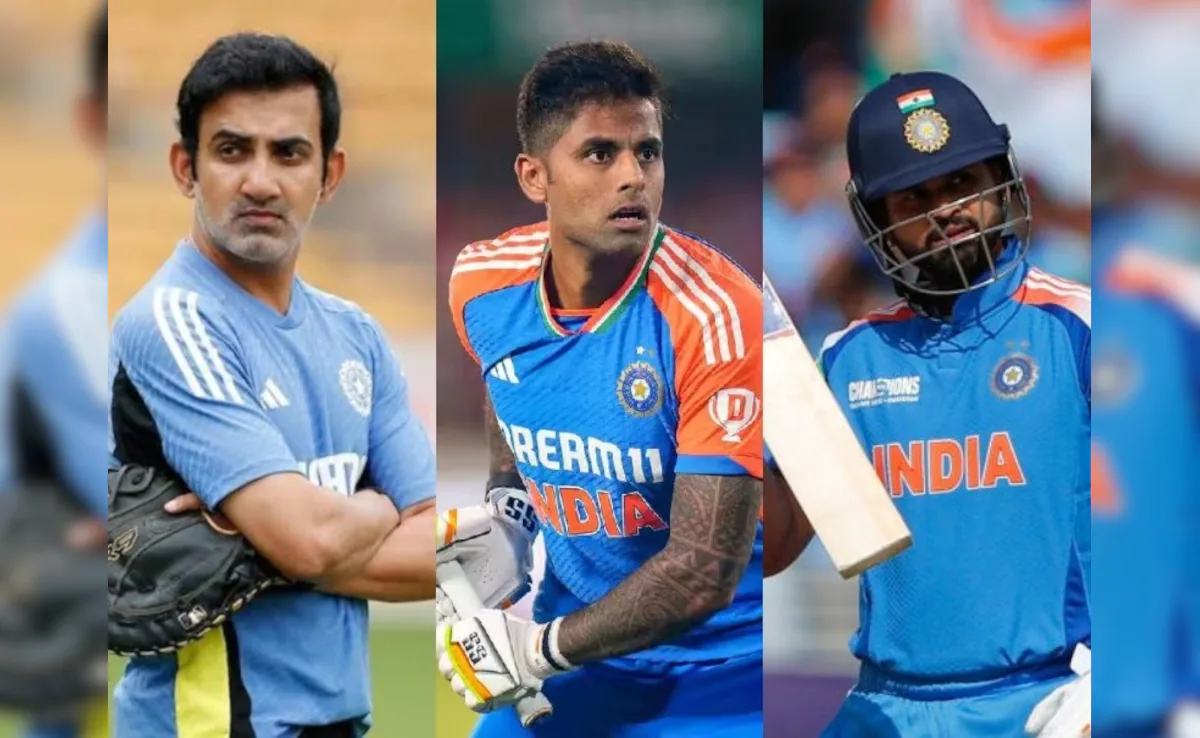
The recent IPL season and subsequent cricket tournaments often spark intense debates among fans, experts, and former players alike, primarily concerning team selection strategies. The Asia Cup, a prestigious 50-over cricket tournament featuring Asian cricket powerhouses, has recently become the center of a significant controversy involving one of India’s most celebrated former cricketers, Gautam Gambhir. His role in team selection and his apparent favoritism have come under scrutiny, leading to widespread discussions across cricketing circles and media outlets.
The Background of the Controversy
Gautam Gambhir, renowned for his aggressive batting and steadfast leadership, has transitioned into cricket commentary and analysis after his playing days. His insights are valued, but his recent conduct in selecting players for India’s squad in the Asia Cup has raised eyebrows. Critics argue that Gambhir’s selection process appears influenced by personal preferences rather than objective assessments of players’ current form and potential.
The core of the controversy revolves around Gambhir’s decision to exclude certain deserving players, especially Shreyas Iyer, from the squad. This exclusion has led to debates about whether Gambhir’s choices are justified based on talent or merely personal bias. As the competition heats up, the question remains: Is Gambhir backing players he genuinely believes in, or is he succumbing to favoritism?
The Allegation: “He backs players he likes”
Many cricket enthusiasts and analysts have pointed out that Gambhir’s selection hints at favoritism, suggesting that he tends to favor players with whom he shares a rapport or players who have previously performed well in his presence. A prominent article in the Times of India questions Gambhir’s approach, citing the notable snubbing of Shreyas Iyer—a talented middle-order batsman who has shown promise in recent matches.
The allegation is simple but impactful: Gambhir reportedly cheers for players he prefers, potentially at the expense of objective team composition and strategic needs. This raises important questions about the integrity of selection committees in Indian cricket and whether fairness is compromised for personal bias.
The Case of Shreyas Iyer
One of the most discussed issues in this controversy is the exclusion of Shreyas Iyer from the Asia Cup squad. Iyer, known for his dependable batting and adaptability, is seen as a vital asset. Several cricket experts and former players emphasize his current form and consistency, making him a logical choice for the team.
The absence of Iyer, however, has perplexed many. Reports from The Shreyas Iyer selection conundrum, reveal that the omission might be rooted in Gambhir’s personal preferences rather than the player’s merit.
Adding fuel to the fire, Iyer’s father chose to break his silence, implying that his son’s exclusion might be a matter of fate rather than performance. As reported by NDTV Sports, their sentiments highlight how the turmoil extends beyond mere selection, touching emotional and cultural realms as well.
Gambhir’s Approach: Backing ‘Players He Likes’?
The phrase “He backs players he likes” has been widely circulated and critically analyzed. Critics suggest that Gambhir’s influence or preferences might be guiding selection decisions more than objective evaluations. Several reports hint at favoritism towards seasoned players or those with a previous working rapport with Gambhir or the team management.
This approach raises concerns about the transparency and fairness of selection processes, especially when young, deserving talents are sidelined. The issue is not just about one or two players but reflects on the broader organizational methodology of cricket selectors and former players involved in decision-making.
Broader Implications of the Controversy
The controversy extends beyond India’s borders, affecting how fans perceive the integrity of the cricketing culture within the country. When figures like Gambhir, respected for their cricketing acumen, show signs of partiality, it could potentially erode trust in the selection process.
Additionally, the controversy might influence upcoming generations of players. Young cricketers often look up to former icons for guidance, and perceptions of favoritism could discourage merit-based advancement. The importance of a transparent, fair selection process cannot be overstated in maintaining credibility and fostering a competitive environment.
Conclusion: Navigating the Future
While Gautam Gambhir’s experience and cricketing knowledge are undeniable, the current controversy underscores the necessity for clear, merit-based selection criteria. Choosing players should be rooted in form, potential, and team strategy rather than personal preferences or favoritism.
Organizations and cricket boards must prioritize transparency and fairness to uphold the integrity of the sport. As cricket fans and analysts continue to scrutinize Gambhir’s decisions, the central lesson remains clear: consistency, transparency, and meritocracy are essential for a team’s success and the sport’s credibility.
Moving forward, the cricket administration should take steps to address perceived biases, possibly involving independent selectors or transparent criteria, to ensure that selections resonate with fairness and skill.
Final Thoughts
The Gautam Gambhir controversy at the Asia Cup highlights a critical aspect of sports—the importance of fairness and integrity. Sports unites us with its spirit of competition, yet when favoritism clouds judgment, the very essence of sport is compromised. It is essential for cricketing authorities and former players alike to reflect on these issues and promote a culture of transparency and merit.
For more updated news please keep visiting Hourly Prime News.