

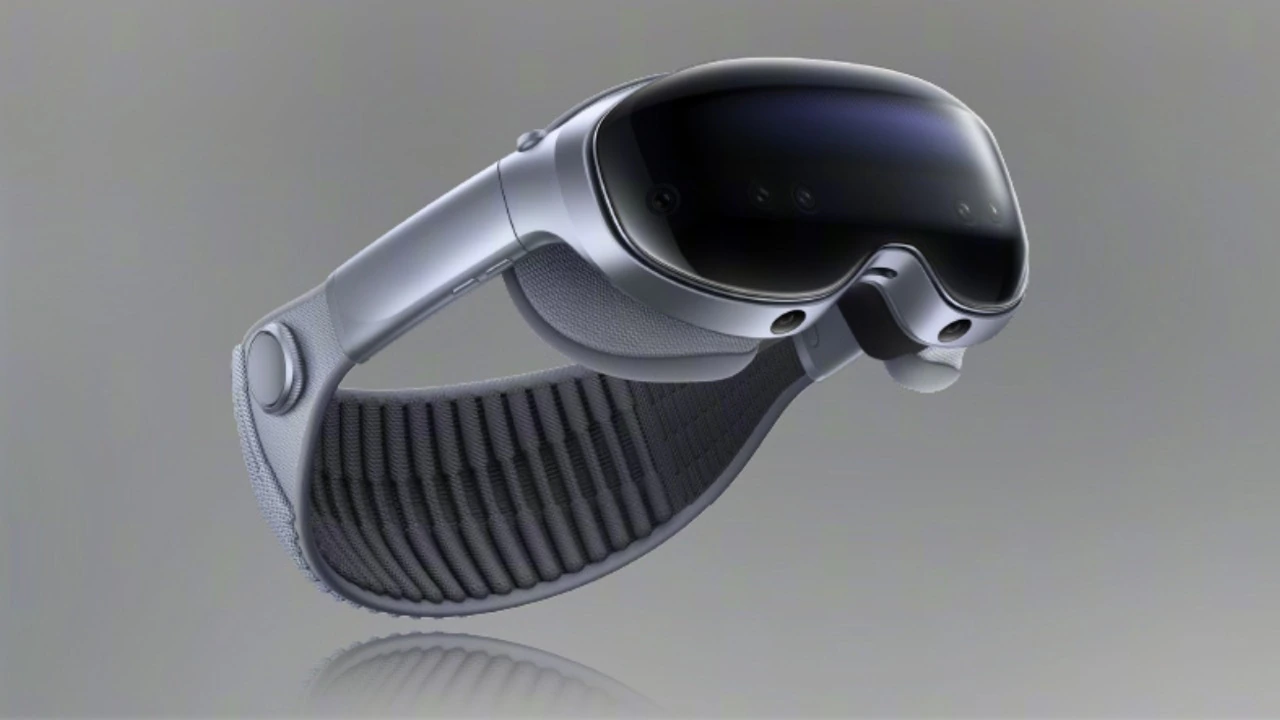
The world of mixed reality (MR) and augmented reality (AR) devices is witnessing a significant shift as tech giants push the boundaries of innovation, accessibility, and affordability. Among the latest advancements, Vivo has announced a groundbreaking product that aims to challenge the dominance of premium devices like Apple’s Vision Pro. With the introduction of the Vivo Vision, Vivo is positioning itself as a formidable contender in the MR space, offering a lighter, more affordable alternative powered by a Qualcomm chip. This strategic move could reshape consumer perceptions and provide more accessible options for users interested in immersive mixed reality experiences.
Introduction to Vivo’s New MR Device: The Vivo Vision
Vivo’s latest offering, the Vivo Vision, marks a bold entry into the mixed reality device market. Unlike the high-priced Apple Vision Pro, which is aimed at premium users, Vivo has focused on creating a lighter and more affordable device without compromising on the core functionalities that define a compelling MR experience. This device is designed to appeal to a broader audience, making mixed reality technology accessible to everyday consumers rather than just tech enthusiasts and professionals.
Key Features of Vivo Vision
- Lightweight and Ergonomic Design: One of the most notable features of Vivo Vision is its reduced weight, promising comfort during extended use. The device’s ergonomic design ensures that users can wear it comfortably for hours without fatigue.
- Advanced Qualcomm Chipset: Powered by a robust Qualcomm Snapdragon XR2+ Gen 2 chip, Vivo Vision offers impressive processing power, supporting seamless 3D rendering, high-quality graphics, and smooth user interactions.
- Dual 8K Micro-OLED Displays: The headset features dual 8K Micro-OLED screens, providing ultra-high-resolution visuals that bring augmented environments to life with stunning clarity and color accuracy.
- Affordability: Priced significantly lower than flagship MR headsets, Vivo Vision aims to democratize access to mixed reality, opening doors for education, gaming, enterprise, and daily entertainment applications.
- Mixed Reality Capabilities: Incorporating mixed reality functionalities, users can interact with virtual objects within real-world settings, enabling immersive experiences like virtual meetings, interactive gaming, and 3D visualization.
- Connectivity and Compatibility: The device supports a variety of connectivity options, ensuring compatibility with popular smartphones and computers, and offers a seamless ecosystem for users.
Strategic Positioning Against Apple Vision Pro
Apple’s Vision Pro has set a high bar for augmented and mixed reality devices with its premium build, cutting-edge features, and a hefty price tag. However, its high cost has been a barrier for many potential users. Vivo’s approach with the Vivo Vision is to bridge this gap by offering a product that retains key high-end features but at a more accessible price point. This move could significantly increase adoption among consumers who previously found Apple’s offerings out of reach.
Why Vivo’s Yields Matter:
- Expanding the accessibility of advanced MR technology to a broader audience.
- Creating healthy competition that encourages innovation and price reduction in the MR market.
- Positioning Vivo as a serious player in the XR (extended reality) segment, paving the way for future product releases.
The Growing MR Industry and Vivo’s Role
The MR and AR industry is experiencing rapid growth, fueled by advances in display technology, processing power, and consumer demand for interactive experiences. Tech companies like Meta, Apple, and now Vivo are investing heavily to carve out their niche in this competitive landscape.
Market Expansion and Consumer Adoption
Vivo’s entry signifies an important trend: the move towards democratizing immersive technology. As prices decrease and designs become more user-friendly, an increasing number of consumers—ranging from students to professionals—are likely to adopt MR devices for a variety of purposes including:
- Education and Virtual Classrooms
- Remote Work and Collaboration
- Gaming and Entertainment
- Design and Engineering Visualization
- Healthcare and Medical Training
The successful launch of the Vivo Vision could accelerate penetration into these sectors, creating new opportunities and transforming how we interact with digital content in our everyday lives.
Technical Innovations Driving Vivo’s New MR Device
Display Technology
The inclusion of dual 8K Micro-OLED displays emphasizes Vivo’s commitment to delivering high visual fidelity. High-resolution displays are essential for immersion, reducing screen-door effects, and providing lifelike visuals, crucial for applications like virtual reality meetings or detailed 3D modeling.
Processing Power with Qualcomm Snapdragon XR2+ Gen 2
The Qualcomm Snapdragon XR2+ Gen 2 chipset is pivotal in enabling a smooth and immersive experience. It provides enhanced computational capabilities, supporting complex graphics, spatial audio, and real-time interaction functionalities. Additionally, it ensures that the device remains energy-efficient, which contributes to its lighter weight and extended usage time.
Design and Comfort
By prioritizing a lightweight and ergonomic design, Vivo addresses one of the major pain points of current MR headsets—bulkiness and discomfort. This focus on user comfort could make Vivo Vision suitable for prolonged use, which is vital for enterprise applications, education, or casual gaming sessions.
The Future of Vivo’s MR Strategy
Vivo’s push into MR with the Vivo Vision and subsequent headset variants, like the Vivo Vision Explorer Edition with dual 8K Micro-OLEDs and Snapdragon XR2+ Gen 2, signals a long-term commitment to immersive technology. These devices serve as a launchpad for Vivo to explore different market segments—from high-end enterprise solutions to more accessible consumer models.
Furthermore, Vivo’s involvement in the mixed reality space is complemented by its plans to unveil a range of strategies, including:
- Collaborations with app developers to build an ecosystem of MR content.
- Integration with Vivo’s existing smartphone ecosystem for seamless user experiences.
- Exploration of augmented reality tools that could enhance retail, healthcare, and educational sectors.
Market Reception and Industry Impact
The announcement of Vivo’s MR headset has been met with curiosity and optimism within the tech community. Many see it as a catalyst for a more competitive market, pushing companies like Apple and Meta to innovate further while offering consumers more choices at various price points.
Recent reports indicate that Vivo is also entering the combined AR and MR device race with a focus on both hardware innovation and strategic software partnerships. The company’s aim is to capture a significant share in the fast-growing extended reality market and to establish itself as a leader in the next generation of wearable computing devices.
Conclusion
The launch of the Vivo Vision represents an exciting development in the realm of mixed reality technology. As a lighter, more affordable, and powerful device equipped with the latest Qualcomm chip and high-resolution displays, Vivo is positioned to attract a broader consumer base. The competitive landscape is about to get more dynamic, encouraging innovation and better choices for users worldwide.
This move not only enhances Vivo’s reputation as an innovator but also pushes the entire MR industry toward greater accessibility and technological excellence. It will be interesting to see how the market responds and how Vivo’s future products evolve to meet the demands of an increasingly digital, immersive world.
For more updated news please keep visiting Hourly Prime News.