

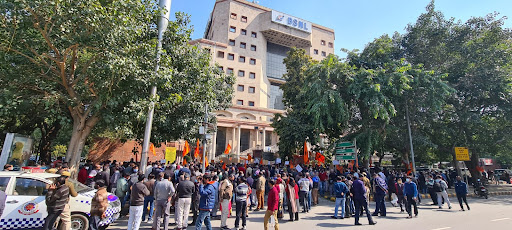
In a significant development reflecting the ongoing challenges faced by employees of MTNL (Mahanagar Telephone Nigam Limited), a wave of protests has erupted recently, drawing attention from various stakeholders and emphasizing the urgent need for intervention by the telecom authorities. The protests, characterized by demonstrations and pleas from affected employees, highlight the deep-rooted issues within the organization and the broader telecom sector in India. This article explores the background of the protests, the demands of the employees, the role of the telecom department, and the potential implications for the future of MTNL and the sector as a whole.
Background of the MTNL Employee Protests
MTNL, once a prominent public sector telecommunications giant in India, has faced numerous challenges over recent years. These include financial difficulties, modernization hurdles, and increased competition from private telecom operators. Many employees have expressed concerns over job security, delays in salary payments, lack of accrued benefits, and the overall decline in operational capabilities.
The current wave of protests was triggered by specific grievances, including unpaid salaries, stagnation of career growth, and inadequate support for modernization efforts. Employees feel that their concerns are being ignored by management, leading to increased frustration and urgency for government intervention. As part of their protest actions, employees have staged demonstrations at various locations across different regions, demanding an immediate response from the telecom department to address their issues.
Key Demands of the Protestors
- Immediate resolution of pending salary dues: Employees are demanding that their unpaid salaries be released without further delay, citing the financial difficulties faced in managing day-to-day expenses.
- Job security and employment rights: There are concerns over potential layoffs and restructuring, with employees seeking assurances that their jobs will be protected.
- Provision of adequate benefits and pensions: Many employees have called for the revision of pension schemes and benefit packages, which they say have become outdated and insufficient.
- Modernization and technological upgrades: Employees emphasize the need for increased investment in network infrastructure and modernization efforts to restore MTNL’s competitiveness in the telecom sector.
- Involvement in decision-making processes: The protests include calls for greater transparency and employee participation in decisions related to organizational restructuring and policy formulation.
The Role of the Telecom Department
The telecom department plays a crucial role in overseeing public sector undertakings like MTNL, especially when it comes to the sector’s overall health and employee welfare. The recent protests have underscored the pressing need for the department’s proactive intervention. By intervening, the department can facilitate dialogue between management and employees, ensure compliance with labor laws, and implement measures for financial and operational stability.
According to reports (source: MTNL Employees Stage Protests, Urge Telecom Department For Immediate Intervention), the telecom department has expressed concern over the deteriorating conditions at MTNL and has assured to look into the matter promptly. This intervention is critical to restore employee confidence and revamp the organization’s operational capacity.
Implications for the Future
The ongoing protests have significant implications for MTNL’s future. A failure to address employee grievances may lead to prolonged labor unrest, hampering service delivery and impacting the organization’s reputation. Conversely, proactive intervention and a comprehensive resolution could pave the way for:
- Rejuvenation of MTNL: Modernization efforts backed by government support can help MTNL regain its position in the market.
- Employee morale booster: Addressing grievances can restore faith among employees, leading to increased productivity and loyalty.
- Sectoral stability: A stable MTNL serves as a vital component of India’s telecommunications infrastructure, especially in remote and underserved regions.
Furthermore, this situation highlights the need for continuous dialogue between government bodies, management, and employees to ensure sustainable growth in the public telecom sector. Policies must be adaptive to the rapid technological changes and financial realities that organizations face today.
Conclusion
The protests by MTNL employees are a wake-up call for all stakeholders involved in the telecom sector. It underscores the urgency of intervention by the telecom department to address employee concerns and stabilize the organization. Ensuring fair treatment, timely payments, and modernization initiatives are vital steps towards safeguarding the interests of employees and strengthening India’s telecommunications network. As discussions unfold, the hope is that a balanced and equitable resolution will emerge, paving the way for a resilient and vibrant MTNL in the years to come.