

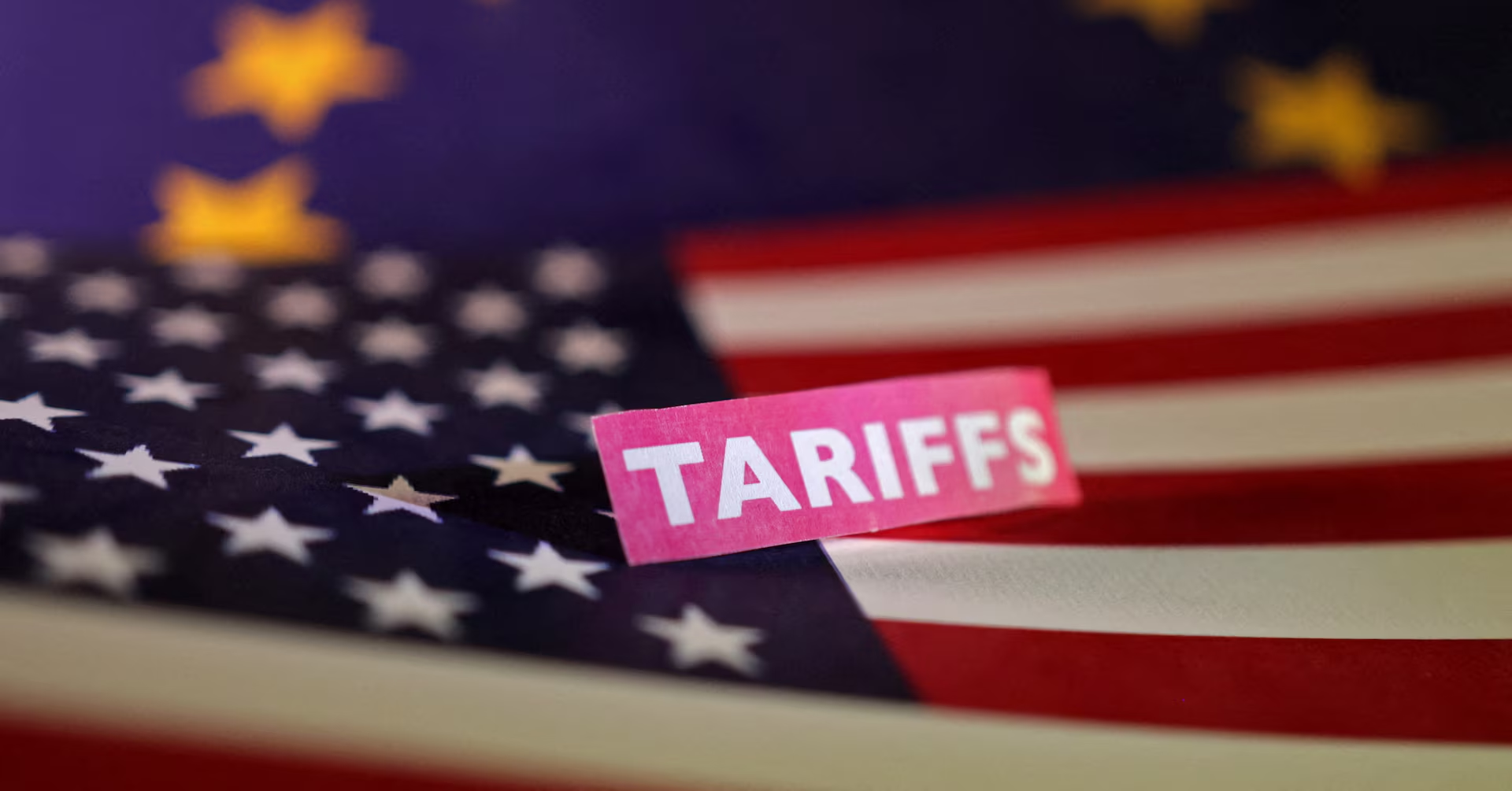
The landscape of international trade policies is constantly evolving, especially amidst ongoing negotiations between major economic powers. Recently, a notable development has emerged concerning the European Union’s response to the United States’ proposed stance on trade and tariffs. The EU has announced that it has returned the draft joint statement on trade and tariffs back to the US for revisions, signaling a period of negotiation and recalibration in transatlantic trade relations.
Context and Background of the WTO Dispute
The ongoing tensions between the US and the EU primarily revolve around longstanding disputes over tariffs and trade practices. The US has imposed tariffs on European steel and aluminum, citing national security concerns, while the EU views these measures as unjustified trade barriers. These disputes have been in the spotlight for years, with both sides seeking resolutions through diplomatic channels.
The recent development is part of a broader effort to establish a cooperative framework on trade policies, aiming to avoid escalation into tariffs or trade wars. The EU’s decision to send the draft back to the US underscores its intent to negotiate terms that are fair and mutually beneficial, rather than unilateral measures that could harm economic ties.
Details of the EU’s Feedback and Why Revisions Are Needed
The EU has expressed concerns that the initial draft joint statement did not sufficiently address key issues such as:
- Protection of European industries from unfair US trade practices
- Clarification and fairness in the reduction or elimination of tariffs
- Mechanisms for dispute resolution that are agreeable to both parties
- Addressing non-tariff barriers that hinder fair trade
Moreover, the EU is insistent that the joint statement should reinforce commitments to free and fair trade, reject protectionist measures, and promote sustainable economic growth. As part of its feedback, the EU has recommended specific revisions to ensure that the final agreement reflects these objectives.
The US Response and Next Steps
The United States, on its part, has expressed openness to dialogue and negotiations but emphasizes the importance of protecting American industries. US officials have indicated a willingness to revisit certain provisions, but they also seek clarity on strategies to address European concerns effectively.
Next steps include:
- Revisions from the US based on the EU’s comprehensive feedback
- Further negotiations between trade representatives from both sides
- Possible consultations with other stakeholders, such as industry groups and economic advisors
- Setting a timeline for finalizing the joint statement to avoid prolonged uncertainties
Implications for Global Trade and Markets
This exchange and revision process hold significant implications for the global economy. The EU-US trade relationship is a crucial component in the stability and growth of international markets. Any delay or deterioration could influence:
- Global supply chains
- Market confidence among multinational corporations
- Ongoing trade negotiations with other nations and economic blocs
- Future trade policies and diplomatic relations
Meanwhile, traders and investors keep a close watch on these negotiations, aware that clarity and consensus could pave the way for a more predictable trade environment, boosting economic confidence worldwide.
Broader Geopolitical and Economic Considerations
The US-EU trade talks do not occur in isolation. They are embedded within broader geopolitical strategies and economic considerations. The rising influence of other global economies, especially China and emerging markets, also influences how the US and EU approach these negotiations.
Statements like the one from the EU, which involves sending back draft documents for revision, highlight a strategic approach: prioritizing detailed, balanced agreements over hurried deals. This could serve as a blueprint for future trade negotiations, emphasizing mutual respect and adherence to international trade rules.
Key Takeaways:
• The EU has sent the US a draft joint statement on trade and tariffs back for revisions, indicating ongoing negotiations.
• The primary concerns involve ensuring fair trade practices, addressing non-tariff barriers, and establishing dispute resolution mechanisms.
• Both parties are seeking a balanced agreement to prevent escalation into tariffs or trade conflicts.
• The process reflects broader efforts to promote free and fair international trade amidst complex geopolitical dynamics.
• Global markets remain attentive to these negotiations, as their outcomes could influence global economic stability.
Ultimately, the EU’s decision to send back the draft signifies a deliberate move towards more refined and mutually acceptable trade commitments. This process underscores the importance of diplomacy and negotiation in resolving international trade disputes, especially between major powers like the US and the EU.
As the negotiations continue, stakeholders and observers await further developments, hopeful that these discussions will lead to a sustainable, equitable trade framework that benefits both regions and the global economy as a whole.
For more updated news please keep visiting Hourly Prime News.