

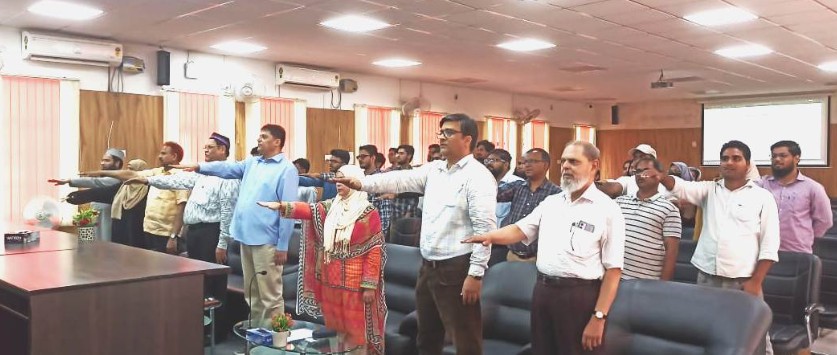
The Aligarh Muslim University (AMU), one of India’s premier educational institutions, recently undertook a commendable initiative aimed at fostering a safe and respectful campus environment. The observance of Anti-Ragging Week was a pivotal step towards addressing one of the most persistent issues faced by educational institutions across the country — ragging. With a determined focus on promoting awareness, understanding, and zero tolerance towards ragging, AMU reaffirmed its commitment to ensuring the safety and well-being of every student within its premises.
Understanding the Significance of Anti-Ragging Week
What is Ragging?
Ragging, a term widely used in Indian campuses, refers to a range of activities that include teasing, harassment, physical or psychological abuse, and other forms of intimidation directed towards junior students by their seniors. While some acts may appear harmless or playful, many incidents have resulted in severe trauma, mental health issues, and even tragedies in various institutions nationwide.
Why Is Anti-Ragging Week Important?
The primary goal of Anti-Ragging Week at AMU is to:
- Create Awareness among students, faculty, and staff about the dangers and consequences of ragging.
- Encourage a Culture of Respect and Dignity on campus, where every individual feels safe and valued.
- Implement and Reinforce Policies that strictly prohibit ragging, along with effective mechanisms for reporting and addressing complaints.
- Build a Support System where victims can seek help without fear of retaliation.
Activities Conducted During the Week at AMU
Awareness Campaigns and Seminars
AMU organized extensive awareness campaigns involving seminars, workshops, and guest lectures delivered by experts in psychology, law, and student welfare. These sessions aimed to educate students about the serious repercussions of ragging and the importance of fostering a positive, inclusive campus environment. Faculty members played a pivotal role by emphasizing the institution’s strict anti-ragging policies and encouraging students to stand against any form of harassment.
Student Engagement Programs
To make the week more impactful, several interactive activities were held, such as:
- Role-Playing Exercises that demonstrated appropriate ways for juniors to approach seniors.
- Open Forums and Discussions where students shared their experiences and voiced concerns.
- Poster and Essay Competitions promoting anti-ragging messages and fostering creativity among students.
Collaboration with Student Organizations
AMU collaborated with various student bodies and clubs to magnify the campaign’s outreach. Student volunteers actively participated in spreading awareness through street plays, banners, and social media campaigns, making the message accessible and relatable.
Legal and Institutional Measures Against Ragging
Strict Policies and Regulations
AMU aligns itself with the guidelines issued by the University Grants Commission (UGC) and the Supreme Court of India. The university has put in place stringent anti-ragging policies that include:
- Mandatory Affidavits from students at the time of admission, pledging not to indulge in ragging.
- Effective Mechanisms for Reporting complaints anonymously or directly to designated authorities.
- Disciplinary Action against offenders, ranging from suspension to expulsion, depending on the severity.
Support Systems for Victims
AMU has established dedicated counseling centers and helplines to support students affected by ragging. These centers offer psychological counseling, legal guidance, and assistance in ensuring a safe educational experience for all students.
The Impact of Anti-Ragging Week at AMU
Fostering a Culture of Respect and Compassion
The coordinated efforts during Anti-Ragging Week have significantly contributed to cultivating a campus culture rooted in mutual respect. Students are now more aware of their rights and responsibilities, forming a community based on dignity and empathy.
Reducing Incidents and Raising Awareness
Preliminary reports from university officials indicate a decline in ragging-related complaints post-awareness campaigns. The active involvement of students and staff in the week-long activities has created a ripple effect, encouraging ongoing vigilance and peer support.
Strengthening Policies and Preventive Measures
The observance has also motivated AMU administration to evaluate and strengthen existing policies. Continued efforts include updating complaint mechanisms, increasing awareness drives, and integrating anti-ragging education into orientation programs for new students.
Future Perspectives and Continuity
Making Anti-Ragging a Year-Round Priority
While Anti-Ragging Week marks a significant milestone, AMU recognizes the importance of maintaining this momentum throughout the year. Regular workshops, mentorship programs, and student engagement initiatives are planned to sustain efforts against ragging.
Role of the Entire Campus Community
Building a campus free from ragging requires collective responsibility. Faculty, staff, students, and parents must collaborate to identify early signs of harassment, intervene proactively, and cultivate an environment where every student feels safe and supported.
Conclusion
The observance of Anti-Ragging Week at AMU underscores the university’s unwavering commitment to creating a safe, respectful, and inclusive educational environment. By raising awareness, implementing strict policies, and fostering a culture of empathy, AMU is shaping the leaders of tomorrow who value integrity and human dignity. This initiative serves as an inspiring example for other institutions to follow in their quest to eliminate ragging and promote campus safety for all.
Let us all pledge to uphold the values of respect, kindness, and zero tolerance towards any form of harassment. Together, we can build a campus community where every student feels secure, empowered, and valued.
For more updated news please keep visiting Hourly Prime News.