

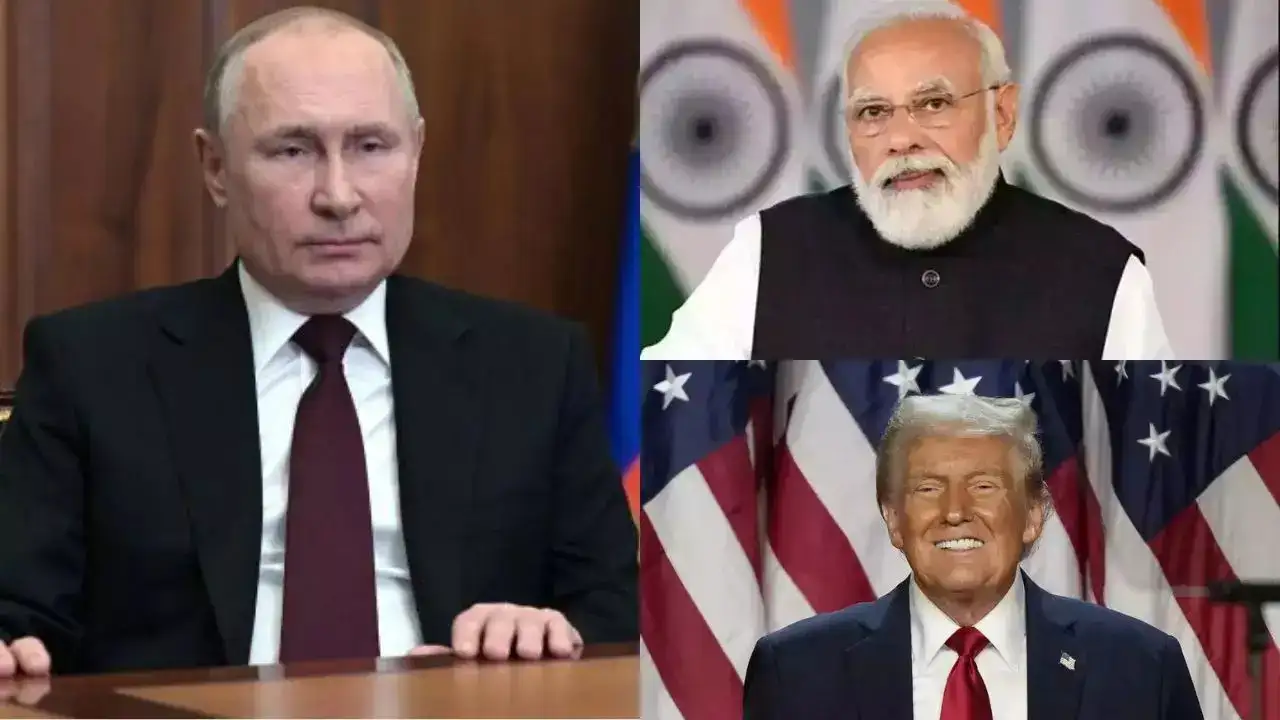
Recent developments have placed India at the center of a complex geopolitical web involving major economic powers like the United States, the European Union, and Russia. The core issue revolves around India’s ongoing purchases of Russian oil amidst strict Western sanctions and the fluctuating EU-US agreement on energy trade. The United States has once again issued a stern warning to India regarding its engagement with Russian energy sources, emphasizing the geopolitical and economic implications of such actions.
With the global oil market witnessing unprecedented upheavals, particularly after Russia’s invasion of Ukraine, nations are reevaluating their energy strategies and alliances. India, one of the largest importers of Russian oil, finds itself navigating a delicate balance: maintaining affordable energy supplies while avoiding jeopardizing diplomatic relations with the West. This situation underscores the broader challenge of managing energy security in a polarized world.
The US’s Perspective: Concerns and Warnings
American Stance on Russian Oil Purchases
The United States government has publicly reiterated its concerns over India’s continued purchase of Russian oil, despite international sanctions aimed at restricting Moscow’s revenue streams. According to recent updates, the US has issued explicit warnings to India, cautioning against evading sanctions and emphasizing the potential repercussions on diplomatic and economic fronts.
The core issue arises from fears that India’s ongoing engagement with Russian energy could undermine the efforts of the US and its allies to isolate Russia economically, thereby prolonging the conflict in Ukraine and destabilizing global markets. These warnings are part of broader diplomatic efforts to align international stances on sanctions and energy policies.
Details from the Latest Updates
In the latest reports, outlined by Yahoo Finance, the US has underscored the significance of adhering to sanctions and the repercussions of non-compliance. Key points include:
- Potential sanctions or trade restrictions for countries found purchasing Russian oil outside sanctioned parameters;
- Calls for increased transparency regarding India’s oil purchases and payment mechanisms;
- Warnings about the impact on bilateral relations if India continues to acquire Russian energy supplies.
This stance highlights the US’s intent to enforce a unified sanctions regime and curb Russia’s economic lifelines. However, the situation remains delicate, with India emphasizing its need for affordable energy and strategic independence.
The EU-US Deal on Energy: Uncertainties and Challenges
Overview of the EU-US Energy Deal
The European Union and the United States have been engaged in discussions to establish a coordinated energy strategy, primarily aimed at reducing dependence on Russian energy. The core objective of this deal is to diversify energy sources, increase LNG exports from the US to Europe, and create a more resilient and independent energy market.
However, recent reports indicate that **the details of this deal are still in question**, raising concerns among member states and international observers. The negotiations have faced hurdles, including logistical challenges, pricing issues, and geopolitical concerns over aligning policies with broader sanctions regimes.
Uncertainties and Their Implications
There are several uncertainties surrounding the EU-US energy deal:
- Pricing and supply commitments: How much LNG the US can export to Europe and at what cost;
- Transportation infrastructure: Availability and expansion of LNG shipping capabilities;
- Diplomatic ramifications: Tensions with Russia and third countries, especially India, which may influence the implementation of these agreements;
- Impact on global oil prices: Fluctuations driven by the geopolitical climate and deal success or failure.
These uncertainties make it challenging for Europe to effectively reduce reliance on Russian oil, further complicating the geopolitical landscape. For India, this means navigating a scenario where global energy markets remain volatile and subject to shifting alliances and policies.
India’s Position: Balancing Energy Needs and Diplomatic Relations
The Economic Urgency of Russian Oil
India’s energy needs are colossal, with a significant portion met through imports. Russian oil, due to its relatively lower cost and availability, has become a crucial component for India’s energy security strategy. Despite Western warnings, India continues to purchase Russian crude, citing economic necessity and strategic autonomy.
Indian officials argue that they are legally entitled to buy discounted Russian oil and that such purchases are vital for maintaining domestic fuel prices and economic stability. This stance, however, creates tension with Western nations that seek to enforce a unified sanctions framework.
Diplomatic and Strategic Considerations
India’s position reflects a complex diplomatic calculus:
- Maintaining strong ties with Russia for strategic and defense reasons;
- Engaging constructively with the US and EU to ensure alignments on broader geopolitical issues;
- Ensuring energy affordability for its growing economy and populous.
While India emphasizes sovereignty and strategic independence, Western powers remain concerned over the evasion of sanctions, which potentially prolongs the conflict and undermines collective efforts to pressure Russia economically.
Future Outlook: Navigating Uncertainty and Building Alliances
Potential Scenarios and Their Impact
The ongoing tensions and uncertainties could lead to various outcomes:
- Strengthening of US-India ties: To collaboratively address energy and geopolitical challenges;
- Further sanctions or restrictions from the US: Targeting countries violating sanctions, including India;
- Progress on EU-US energy agreements: Improving the global energy landscape and reducing reliance on Russian oil;
- Continued geopolitical balancing act: India managing its energy needs while maintaining diplomatic ties with both Russia and Western nations.
Long-term Implications
The decisions made in the coming months could have profound implications for global energy security, international relations, and economic stability. The US’s warning to India signifies the importance placed on sanctions enforcement, while the uncertainties in the EU-US deal highlight the fragility of current energy policies.
India’s strategic flexibility and diplomatic agility will be crucial in navigating this complex environment. Ensuring transparency, fostering multilateral cooperation, and balancing economic needs with geopolitical commitments will determine how effectively these challenges are managed.
Conclusion: A Critical Juncture in Global Energy Politics
The ongoing scenario underscores a significant shift in global energy politics, marked by heightened tensions, strategic recalibrations, and diplomatic negotiations. The US’s renewed warnings to India on Russian oil highlight the stakes involved—economic, environmental, and geopolitical.
As the EU and US grapple with their energy deal intricacies, India remains a pivotal player—straddling economic necessity and diplomatic prudence. The outcome of these negotiations and warnings will shape the future of international energy markets and geopolitical alliances for years to come.
In this volatile context, transparency, multilateral engagement, and adaptive strategies will be essential to navigate the uncertain waters of global energy politics. The world watches closely as these developments unfold, with the potential to redefine international relations and energy security paradigms.
For more updated news please keep visiting Hourly Prime News.