

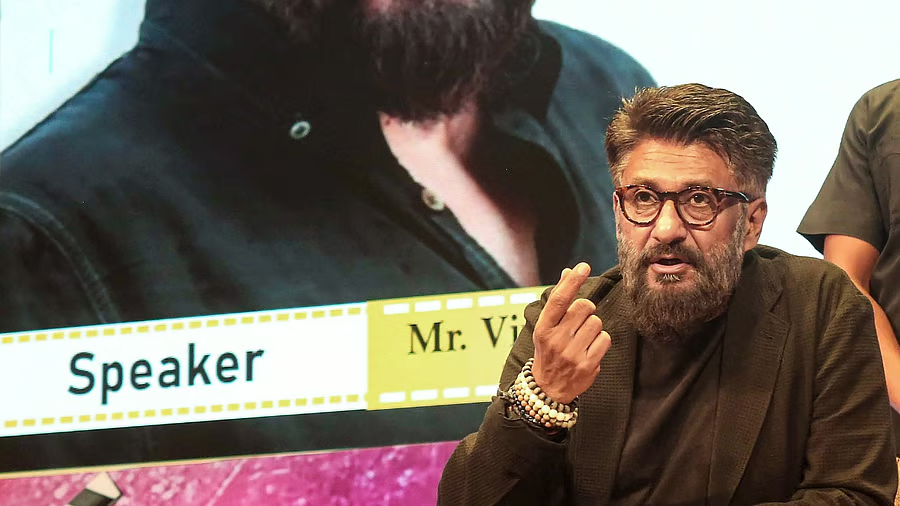
The release of Vivek Agnihotri’s latest film “The Bengal Files” has stirred a significant controversy across India, especially in West Bengal. The film’s trailer and subsequent discussions have been embroiled in heated debates, protests, and legal challenges. To understand the core reasons behind this tumultuous response, it is essential to delve into the various facets of the controversy, including the content of the film, the political and social reactions, and the media narrative surrounding it.
Background of the Controversy
The controversy around “The Bengal Files” ignited primarily after the trailer launch in Kolkata, which was abruptly halted due to protests and allegations. The film, claimed by its producer and director Vivek Agnihotri to expose historical and political issues related to Bengal’s past, was perceived by many as provocative and potentially divisive. Several groups expressed concern that the film could distort historical facts, hurt regional sentiments, or be used as a tool for political propaganda.
Content and Themes of the Film
The film’s narrative reportedly revolves around contentious historical events, regional politics, and cultural issues specific to Bengal. While the filmmakers claimed to present a factual recount of certain episodes, critics argue that the film appears to promote a specific ideological perspective that might undermine the socio-political fabric of Bengal. Some viewers have accused the film of deliberately dismissing the diverse history of Bengal, stirring tensions among different communities.
Key Allegations Against the Film
- Historical Distortions: Critics contend that the film distorts facts related to Bengal’s history, especially concerning independence movements, communal incidents, and regional insurgencies.
- Political Bias: Many argue the film seems to favor particular political narratives, aligning with nationalist perspectives while marginalizing others.
- Sensitivities and Regional Sentiments: Several protests emerged as groups felt the film undermined the cultural identity of Bengal, possibly fueling regional mistrust and division.
Media and Political Reactions
The reaction to the film has been multifaceted, involving various political parties, social organizations, celebrities, and the general public. A few noteworthy reactions include:
Statements from Political Entities
Some regional political leaders voiced concern over the film, asserting it was an attempt to malign Bengal’s image or distort its history for political gains. On the other hand, supporters emphasized the importance of artistic freedom and questioned the censorship or suppression attempts against the film.
Legal and Administrative Actions
The Kolkata district administration and police intervened to halt the trailer launch, citing law and order considerations. Several legal petitions were filed by different groups, demanding a ban or re-editing of the film’s content. These developments point to the sensitive nature of the film’s themes and the heightened regional tensions.
The Role of Social Media and Public Discourse
Social media platforms played a significant role in shaping the narrative around “The Bengal Files.” Supporters cited free speech and artistic expression, while critics accused the film of being divisive and offensive. Hashtags and campaigns both condemning and defending the film trended extensively, further intensifying public debate.
Saswata Chatterjee’s Comments and Regional Voices
Prominent actors like Saswata Chatterjee distanced themselves from historical claims made in the film, clarifying their roles or association, and emphasizing that they are not historians. Such statements added to the ongoing discourse about responsibility in portraying historical events in popular media.
Legal Challenges and Complaints
Legal experts and affected groups have filed complaints against the filmmakers for allegedly distorting history and inciting regional disharmony. Notably, Gopal Mukherjee’s grandson also filed a legal objection, asserting that the film was damaging his family’s reputation and misrepresenting historical facts. This highlights how deeply the controversy runs, involving personal, regional, and national sensitivities.
Impact on the Film’s Release and Future Outlook
The backlash has led to delays in the film’s distribution and screening in West Bengal. Several theater chains and distributors hesitated to showcase the film amid protests, and the filmmakers faced pressure to re-edit or withdraw the project entirely.
Despite these challenges, Vivek Agnihotri and his team remain firm in their stance, claiming that their work sheds light on neglected narratives and promotes healthy debates about history and cultural identity. The controversy underscores the larger debate over artistic freedom versus regional sensitivities in India.
Broader Implications
The Bengal Files controversy isn’t an isolated incident but part of a larger pattern seen in India where films, books, or media projects become flashpoints for political and cultural conflicts. It raises questions about censorship, freedom of expression, and the responsibilities of filmmakers in a diverse and sensitive socio-political landscape.
At the core of this debate lies the question: how should history and regional identities be portrayed in art and media? Should artistic expression be curtailed to prevent discomfort, or is it necessary to challenge narratives for a more inclusive understanding? The fervor surrounding “The Bengal Files” exemplifies this ongoing tussle.
Conclusion
While the full details about “The Bengal Files” and its content are yet to be fully revealed, the controversy clearly illustrates the complexities involved in addressing regional histories in a nation as diverse as India. It emphasizes the need for nuanced discussions, respect for diverse perspectives, and safeguarding artistic freedom while being sensitive to regional and cultural concerns.
As the debate continues, one thing remains certain: films are powerful tools that can unite or divide. It is the responsibility of creators, policymakers, and audiences alike to navigate this landscape with consciousness, respect, and an open mind.
For more updated news please keep visiting Hourly Prime News.