

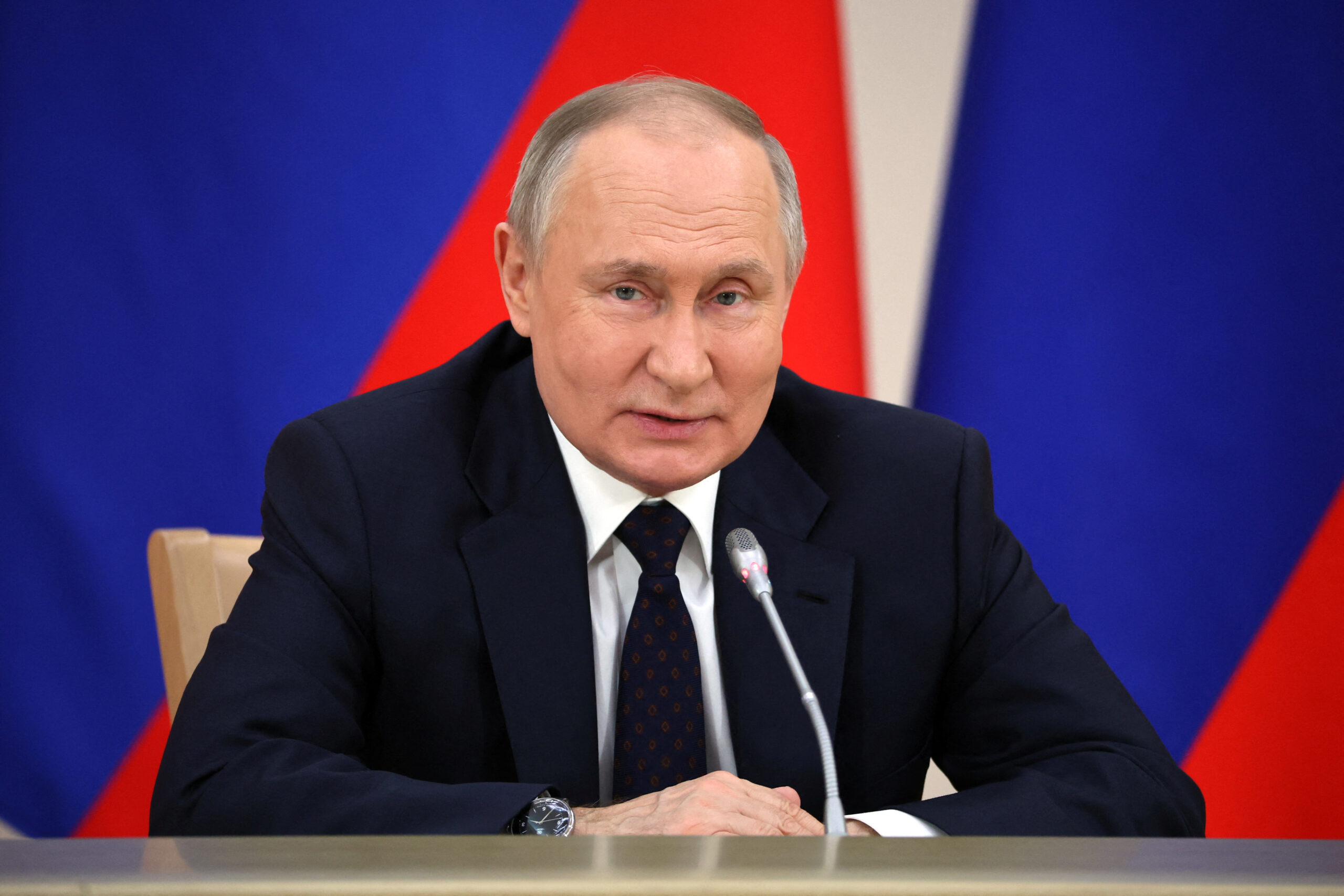
The ongoing conflict in Ukraine has been a major point of concern for the international community, with diplomatic efforts and negotiations often proving complex and fraught with challenges. Recently, reports suggest that Russian President Vladimir Putin appears to be open to ending the war, but with specific conditions that must be met before any peace settlement can be considered. This development introduces a nuanced layer to the diplomatic landscape, offering a glimmer of hope amid years of hostilities.
Putin’s Conditional Willingness to Achieve Peace
According to recent reports from prominent news outlets such as Times of India, and other reputable international sources, Putin remains firm on specific territorial demands that must be satisfied before he is willing to cease hostilities.
Key Conditions Stated by Putin for Peace
Delving into the details of Putin’s stance, several critical conditions have been highlighted as prerequisites for ending the conflict:
- Full control of Donetsk and Luhansk regions: Putin has explicitly demanded these territories come under complete Russian influence or control. As per reports, this is a non-negotiable requirement, reflecting Russia’s desire to consolidate its foothold in eastern Ukraine.
- Recognition of territorial sovereignty: Russia insists that Ukraine recognizes the independence and sovereignty of these regions, which have long been contentious and central to the conflict.
- Provision of security guarantees: Russia seeks assurances against future military action from Ukraine or its allies, including NATO’s presence in regions near Russia’s borders.
The Response from Ukraine and International Community
Ukraine’s leadership, particularly President Zelenskyy, has rejected some of Putin’s conditions. For instance, reports reveal that Zelenskyy has refused to accept overt territorial demands that threaten Ukraine’s sovereignty and existing borders. An article from The Guardian notes that Zelenskyy remains steadfast on safeguarding Ukraine’s territorial integrity, refusing to accept the partition or ceding of any significant parts of the nation.
Historical and Diplomatic Context
The current negotiations are layered with complex historical grievances, regional security concerns, and geopolitical ambitions. Putin’s demand for control over Donetsk and Luhansk is rooted in Russia’s strategic interests, security fears, and its narrative of protecting Russian-speaking populations.
At the same time, Ukraine and its allies categorize these demands as blatant violations of Ukraine’s sovereignty, with many countries advocating for diplomatic solutions that respect international laws and Ukraine’s independence. The tension between territorial ambitions and diplomatic negotiations underscores the delicate balance needed to achieve peace.
Recent Developments: Putin’s Demands and Rejections
Some recent events emphasize the steadfastness of Putin’s position, while also revealing how Ukraine and Western nations continue to resist these hardline conditions:
- Demand for control of Donetsk and Luhansk: Putin has explicitly demanded full control over these regions as a condition to de-escalate the conflict, as reported by India Today.
- Rejection of territorial concessions: Zelenskyy has rejected the idea of ceding land, especially to regions like Donetsk and Luhansk, emphasizing Ukraine’s sovereignty and the importance of territorial integrity.
- Diplomatic deadlock: Despite ongoing negotiations, the fundamental disagreements over territorial demands appear to have created a significant deadlock, making peace negotiations challenging.
Implications for Future Peace Negotiations
The possible breakthrough hinges on whether Russia is willing to soften some of its demands or if Ukraine chooses to accept certain conditions to forge a peace deal. The international community continues to advocate for negotiations based on international law, sovereignty, and territorial integrity, which makes Putin’s hardline stance a difficult obstacle.
Experts suggest that sustained diplomatic pressure, combined with regional geopolitical interests, could influence the course of negotiations. The upcoming months are crucial, as both sides weigh their strategic interests against the desire for peace.
Conclusion: Hope and Realities
While the recent reports about Putin’s conditions offer a potential pathway toward peace, the road ahead remains uncertain. The core issue revolves around territorial sovereignty and security guarantees, which continue to divide the parties involved. However, the mere fact that Putin is reportedly open to ending hostilities if his conditions are met could signal a shift, opening new diplomatic avenues.
It is essential for all stakeholders—Ukrainian authorities, Russia, and international mediators—to navigate this complex process carefully, seeking common ground and prioritizing peace over prolonged conflict. The resolution of this crisis will not only shape the future of Ukraine but also influence regional stability and global security.
For more updated news please keep visiting Hourly Prime News.