

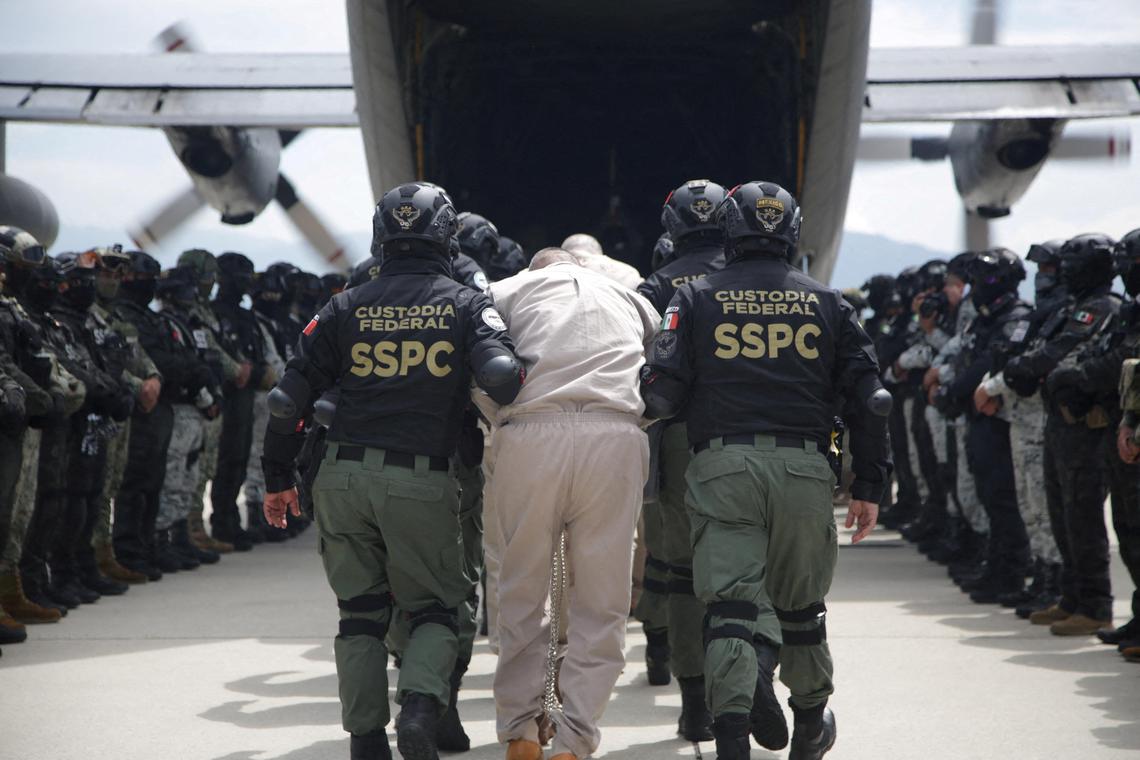
The United States has once again escalated its efforts to curb the proliferation of drug trafficking in the Western Hemisphere by deploying military forces to the southern Caribbean region. This strategic move underscores the growing concern over transnational drug cartels operating across borders and the U.S. government’s intent to actively disrupt their operations. The deployment of U.S. military personnel to this geopolitically sensitive area signals a robust approach to addressing the multi-layered challenges posed by drug trafficking and organized crime in the region.
The Rationale Behind the Deployment
The southern Caribbean, comprising nations like Colombia, Venezuela, Trinidad and Tobago, and smaller island states, has become a hotspot for drug trafficking due to its geographic location and relative political instability in some areas. Drug cartels from South America, notably those originating in Colombia and Venezuela, leverage this corridor to smuggle illicit substances like cocaine into North America and Europe.
The U.S. military’s deployment aims to:
- Disrupt trafficking routes: Interception of drug shipments before they reach international markets.
- Support regional cooperation: Strengthen partnerships with Caribbean nations through joint operations and intelligence sharing.
- Enhance surveillance capabilities: Use of advanced aerial and maritime assets for real-time monitoring.
- Undermine the power of drug cartels: Target key logistics networks and drop points used in trafficking operations.
This move aligns with the broader U.S. strategy to combat illegal drug flows and support stability in the region, which remains critically vulnerable to the influence of organized crime groups.
Regional Reactions and Geopolitical Tensions
The deployment has elicited mixed reactions from regional governments and international bodies. Some governments, like Colombia, have welcomed increased U.S. presence, seeing it as a necessary step to combat pervasive drug violence and crime. However, others, notably Mexico, have expressed concern over sovereignty issues and the potential for increased militarization.
Mexican President Andrés Manuel López Obrador publicly rejected suggestions of allowing U.S. troops on Mexican soil, emphasizing that Mexico’s sovereignty must be respected. The Mexican government has historically been wary of foreign military presence, fearing it could escalate conflicts or contribute to external influence in domestic affairs.
In contrast, the perception among U.S. policymakers is that deploying troops will significantly cut down on drug flow and diminish the operational capacity of cartels, which often exploit weak states and porous borders in the region.
Historical Context and Shortcomings of Previous Strategies
The U.S. has historically relied on military and law enforcement interventions to tackle drug trafficking. Past efforts, however, have faced criticisms, including:
- Backfiring strategies: Some argue that heavy-handed military approaches may lead to unintended consequences, such as violence escalation or displacement of trafficking routes.
- Insufficient regional cooperation: Without broad regional support, military operations risk being limited in scope and effectiveness.
- Limited sustainability: Military interventions without comprehensive social and economic reforms tend to have short-lived impacts.
Experts point out that while military deployments can be instrumental in disrupting trafficking networks temporarily, long-lasting solutions require a multi-dimensional approach, including alternative development programs, judicial reforms, and community engagement.
The Broader Geopolitical Implications
The deployment also raises questions about the U.S. policy in the broader Latin American region. Critics argue that such military actions can be perceived as imperialistic or hegemonic, potentially straining diplomatic relationships. Conversely, supporters believe these measures are vital for regional security and economic stability, given the adverse effects of narcotics on local communities and national governance.
The deployment also occurs amidst ongoing debates about the efficacy of the so-called “War on Drugs,” with some analysts warning that aggressive military tactics might inadvertently strengthen criminal organizations or alienate local populations.
Furthermore, there is concern about the potential for spill-over into neighboring countries, especially given the complex cross-border dynamics with Mexico and Central America. This situation requires coordinated efforts not only among Western Hemisphere nations but also involving international actors and organizations committed to fighting transnational crime.
Impact on U.S. Domestic Policy and Security
The move to deploy forces south of the border reflects the Biden administration’s recognition of the ongoing threat posed by drug trafficking to U.S. national security and public health. Authorities believe that disrupting supply chains overseas will reduce the availability of illicit drugs on American streets, consequently lowering overdose rates and related violence.
The operation also emphasizes the importance of intelligence-led efforts, with increased use of surveillance drones, maritime patrols, and cyber intelligence to monitor cartel activities continuously.
However, critics within the U.S. express concern about the militarization of foreign policy and the potential human rights implications of increased military presence in vulnerable states. The challenge lies in balancing military effectiveness with respect for sovereignty and human dignity.
Challenges and Future Outlook
The deployment of U.S. forces to the Caribbean region is not without challenges:
- Political instability: Regional governments vary in their capability and willingness to cooperate fully.
- Legal and diplomatic hurdles: Ensuring operations respect sovereignty and international law is crucial.
- Logistical complexities: Managing a multi-national force with extensive geography and diverse terrain.
- Potential for escalation: Risk of provoking retaliatory actions from well-armed criminal groups.
Looking ahead, the success of this military deployment will depend heavily on regional collaboration, intelligence sharing, and the integration of non-military tools such as social development programs and judicial reforms. The regional security architecture must evolve to address the root causes of trafficking, including poverty, corruption, and weak institutions.
Conclusion: A Necessary but Complex Strategy
Deploying military forces to the southern Caribbean to target drug trafficking is a testament to the high stakes involved in regional security and drug control efforts. While it may provide short-term gains in weakening trafficking networks, sustainable success hinges on a comprehensive strategy that combines military action with diplomatic, economic, and social interventions.
As the situation unfolds, regional cooperation and international partnership will be essential in ensuring that these efforts lead to lasting peace, security, and stability in the Caribbean and beyond.
For more updated news please keep visiting Hourly Prime News.