

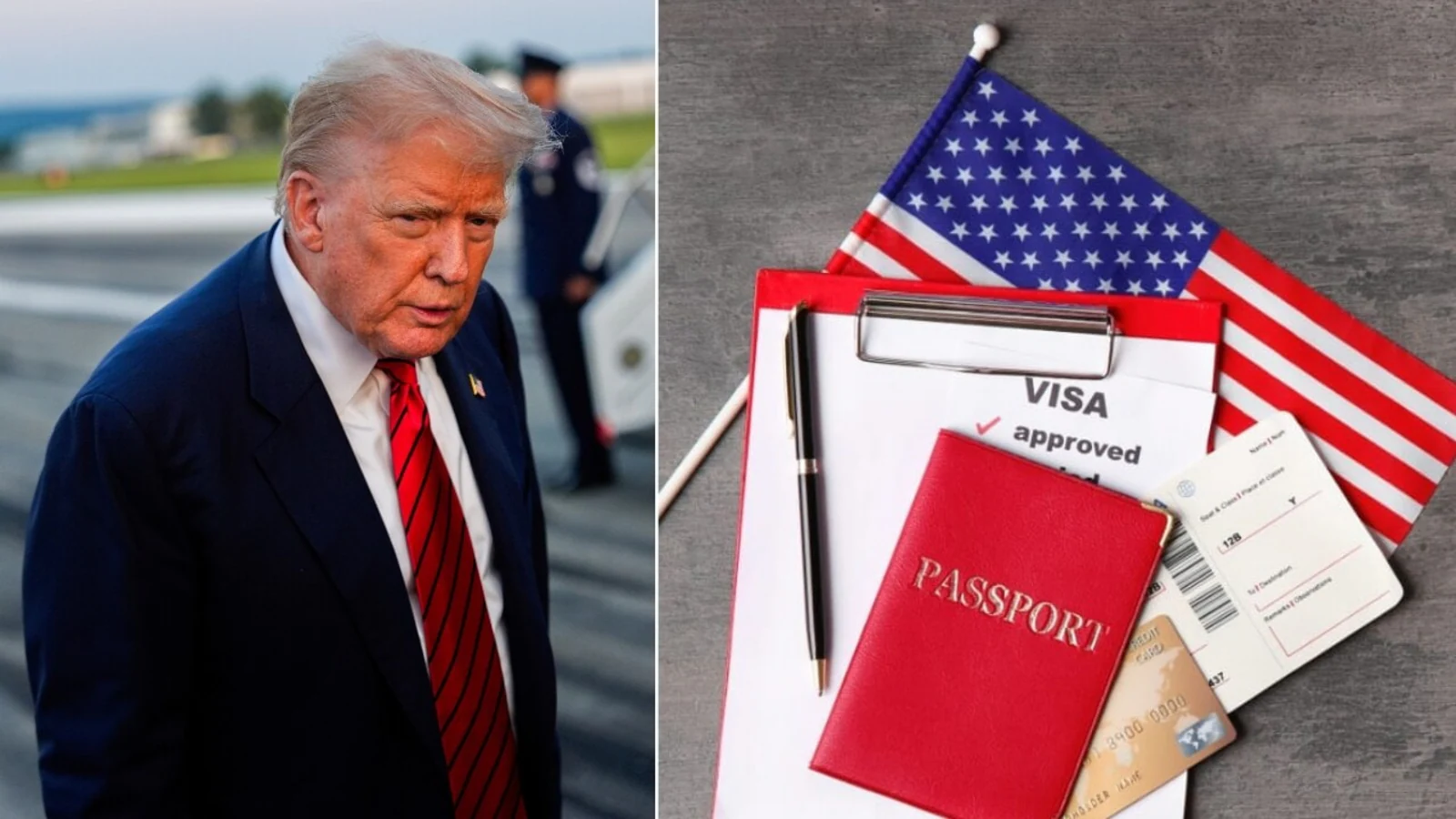
US Education Plans Highlights
The landscape of international education, particularly the aspirations of Indian students to study in the United States, has recently encountered significant shifts due to proposed policies centered on visa regulations. In a move that has stirred considerable concern within academic and expatriate communities, former President Donald Trump’s administration announced plans to implement fixed-year limits on F-1 and J-1 visas. This policy aims to reshape the visa framework, potentially disrupting the carefully laid-out educational plans of thousands of aspiring students from India aiming for US institutions.
The Background: What Are F-1 and J-1 Visas?
Before delving into the implications, it is crucial to understand the specific types of visas this policy targets:
- F-1 Visa: Primarily issued to international students enrolled in academic institutions such as universities, colleges, and high schools in the US.
- J-1 Visa: Known as the exchange visitor visa, it covers a broader range of programs including research scholars, interns, and au pairs participating in exchange programs.
These visas have historically granted students and scholars flexible durations of stay, often extending well beyond initial enrollment periods, thereby allowing them to complete their educational or research pursuits without the constant worry of falling outside legal parameters.
The Trump Initiative: Implementing Fixed-Year Limits
What Does a Fixed-Year Visa Limit Entail?
According to reports from the Read more about the detailed changes in the Hindustan Times article, the Trump administration’s proposal aims to impose a fixed duration for visas, typically ranging from 1 to 3 years, with limited or no extensions beyond that period. This approach signifies a marked shift from the previous flexible, renewal-based model that allowed students to stay until they completed their courses and optional research or work internships.
Why Is This Policy Seen as Disruptive?
This fixed-year policy stands to significantly alter the educational planning process, especially for Indian students who often enroll in programs that span multiple years, sometimes extending up to 4-6 years with optional practical training (OPT). The disruption manifests in several ways:
- Limited Duration of Stay: Students will now be restricted to a predefined period, which may not align with their academic timelines.
- Increased Uncertainty: The potential for non-renewal or non-extension could leave students stranded mid-program, forcing them to either leave the US prematurely or face legal complications.
- Visa Renewal Challenges: Short-term visas imply frequent renewals, which can be arduous, unpredictable, and stressful, especially amidst stricter US immigration policies.
- Impact on Career Planning: Post-study work options like OPT or STEM extensions typically depend on the visa duration, meaning a fixed shorter stay could undermine employment prospects for Indian graduates.
Impact on Indian Students: A Deep Dive
Existing Challenges Faced by Indian Students
Indian students form one of the largest groups of international learners in US universities. Their journey is often characterized by:
- High tuition fees coupled with living expenses
- Complex visa compliance processes
- Uncertainty around extension or renewal policies
- Intent to leverage US education for better career opportunities back home or globally
How Will the Fixed-Year Limit Change Their Plans?
Introducing a strict, fixed-term visa period could profoundly impact these students in several ways:
1. Academic Disruption: Students pursuing long-term degrees such as PhDs or dual-degree programs may find their stay curtailed unexpectedly, forcing them to abandon research projects or internships just as they are about to complete their degrees.
2. Financial Burden: Shorter visa durations mean students may need to pay higher fees for renewal processes or risk having to reapply from their home country, increasing expenses and administrative hurdles.
3. Career Prospects: Post-graduation employment opportunities, often contingent on visa validity, might be limited or entirely revoked, prompting students to reconsider US as a viable destination.
4. Psychological Stress: The uncertainty surrounding visa validity and renewal prospects can affect mental health and academic focus, adding an emotional toll to already challenging academic pursuits.
Potential Responses and Alternatives
Given the anticipated disruptions, Indian students and prospective applicants are exploring alternative strategies:
- Applying to countries with more flexible or welcoming visa policies: Canada, Australia, and European nations are increasingly viewed as viable options.
- Focusing on online or hybrid programs: Some universities offer remote learning options coupled with in-country visas, reducing dependency on US policy changes.
- Seeking legal counsel: Students are consulting immigration experts to understand their options or to explore possible legal challenges to the policy.
- Enhancing skills and certifications: Investing in skills development that can be recognized globally irrespective of geographic region, thus reducing reliance on a fixed-location educational pathway.
Broader Implications for US-India Educational Ties
The relationship between India and the United States over education has flourished over the past decades, fostering cultural exchange, scientific collaboration, and economic ties. However, policy changes such as the fixed-year visa limit threaten this long-standing collaboration:
- Decreased US Attractiveness: Stricter visa rules may deter Indian students, leading to a decline in enrollments and the associated economic benefits for US institutions.
- Shift toward Asian and European Destinations: Countries with more student-friendly policies might witness increased inflows, affecting US’s global educational standing.
- Diplomatic Repercussions: Education often acts as a bridge for diplomatic relations; restrictions may hinder fostering mutual understanding and goodwill.
Conclusion: Navigating Uncertain Waters
The proposed fixed-year visa limits mark a significant departure from the flexible and welcoming US immigration policies that have historically drawn Indian students. While the intention behind such measures may be rooted in national security or immigration control concerns, the real-world impact could be detrimental to the aspirations of countless talented Indian youths seeking quality education in the US. It underscores the need for students to stay informed, explore alternative educational avenues, and advocate for policies that balance national interests with the global mobility of talent and knowledge.
Ultimately, adaptability and proactive planning will be essential for Indian students as they chart their educational pathways amid evolving US immigration policies. Collaboration between educational institutions, governments, and students themselves will determine how effectively these challenges are addressed.
For more updated news please keep visiting Hourly Prime News.