

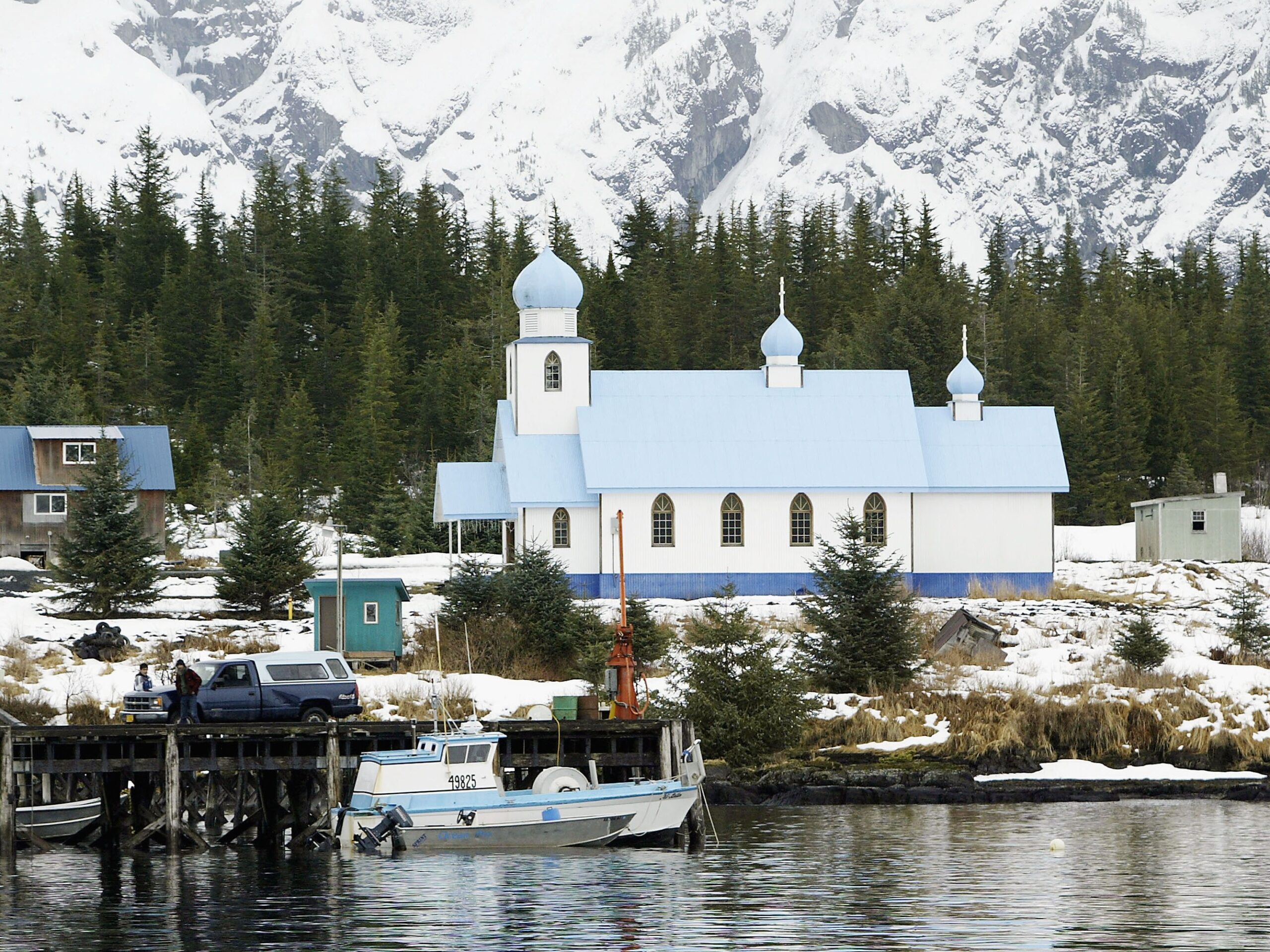
Throughout history, territorial conquests and geopolitical negotiations have shaped the map of the world in profound ways. One of the most intriguing episodes of this narrative is the story of Alaska—originally Russian territory that ended up in American hands for a pittance. Today, with talks circling around global power dynamics, diplomatic meetings involving figures like Vladimir Putin and Donald Trump remind us of these historic transactions and their complex consequences. This article explores the fascinating history of Alaska, the implications of its sale, and the ongoing geopolitical tensions involving Russia and the United States.
Historical Background: The Russian Roots of Alaska
The story of Alaska begins in the 18th century when Russia expanded its reach into the North American continent. Russian explorers, traders, and settlers established a presence along the coastlines, primarily focused on fur trading—a lucrative business at the time. Over the decades, Russia’s hold over Alaska solidified, and it became a vital part of the Russian Empire’s far-flung territories.
However, by the mid-19th century, Russia’s interests in Alaska waned. The empire was preoccupied with European conflicts and internal issues, while the challenges of maintaining such a distant and sparsely populated colony mounted. Meanwhile, the United States was emerging as a formidable power in the Western Hemisphere, eager to expand its territory and influence.
The Sale of Alaska: Alaska as Russia’s ‘Dirt Cheap’ Deal
In 1867, Russia decided to sell Alaska to the United States—a transaction often referred to as the “Alaska Purchase.” Commissioner Evgeny Pavlovich Lisianski negotiated on behalf of the Russian Empire, and the deal was finalized for the staggering sum of $7.2 million. When adjusted for inflation, this was a remarkably small amount, roughly equivalent to about two cents per acre.
Why did Russia sell Alaska so cheaply? The reasons are multifaceted:
- Russia was economically strained and lacked the resources to defend its distant territories.
- There was little strategic or military value seen in Alaska at the time.
- Russia feared that Britain or the United States might seize the territory by force, especially since Britain was a neighboring power.
- There was also a perception that Alaska was remote and inhospitable, with little potential for immediate profit.
This deal, often mocked as the “Seward’s Folly” after U.S. Secretary of State William Seward who orchestrated the purchase, turned out to be an astonishingly astute investment for the US. Over time, Alaska proved rich in natural resources—fisheries, gold, oil, and minerals—making it an invaluable asset.
Modern-Day Significance of Alaska
Fast-forward to today, and Alaska is a strategic hub in the geopolitics of the Arctic and Pacific regions. Its proximity to Russia and China has made it a vital location for military and economic interests. The recent meetings between Vladimir Putin and Donald Trump, particularly in locations like Alaska, reflect ongoing tensions and negotiations about influence and security.
Interestingly, reports suggest that the geographical curiosity of Alaska being once Russian territory adds an ironic note to modern diplomatic encounters. For example, recent discussions have highlighted the historical irony that the US acquired an enormous, resource-rich land at a bargain price, while today, Russia and the US are back in a tense diplomatic dance involving Arctic interests, military posturing, and energy resources.
The Geopolitical Tensions: Russia-Turmoil and US Strategies
Putin and Trump in Alaska: A Meeting of Power Players
Recently, high-stakes meetings have taken place in Alaska where Putin and Trump discuss issues ranging from security to energy. These meetings are often fraught with underlying tensions, given the history of territory and influence. The fact that Alaska’s past is intertwined with Russia’s imperial ambitions adds layers of symbolism and strategic importance to these encounters.
The Shadows of Past Conflicts
Analysts point out that a lot hinges on the dynamics of these meetings. As detailed by The Guardian, “Trump alone in a room with Putin is a recipe for disaster,” given the historical and ongoing mistrust between the two powers. These private dialogues evoke memories of Cold War rivalries, where territorial disputes and influence over regions like the Arctic were central issues.
Contemporary Diplomatic Challenges
Aside from the high-profile meetings, experts have expressed concern about the absence of seasoned negotiators. For instance, reports indicate that “no experts are in the room” during critical dialogues between major powers, risking miscalculations and escalating tensions. Also, the sidelining of key figures, such as Ukraine’s President Zelenskyy, during global peace talks—highlighted by The Times of India—underscores how geopolitical negotiations often ignore broader regional interests.
Historical Ironies and Modern Lessons
The sale of Alaska remains a stark example of how strategic negotiations and economic bargains can have long-lasting consequences. What seemed like a cheap purchase in the 19th century now plays a critical role in the 21st-century geopolitics. Russia, despite losing Alaska, continues to maintain influence in the Arctic, which is projected to become a vital powerhouse for global energy and trade routes in the coming decades.
Furthermore, the story of Alaska highlights how economic considerations often overshadow strategic value. Russia’s sale was driven by immediate economic needs and fears of territorial loss, but the global landscape has since evolved, turning what was once considered “dirt cheap” into one of the most strategically significant regions in the world.
Conclusion: Reflecting on Alaska’s Legacy
The tale of Alaska exemplifies the intricate dance of diplomacy, economics, and military strategy. What was once a remote outpost of the Russian Empire has grown into a crucial centerpiece for global geopolitics. As current leaders meet in places like Alaska, it’s a reminder that history often repeats itself—albeit with new stakes and players.
While the continent’s past involves a story of acquisition and loss, today it symbolizes the complexities of international relations. The irony of Russia’s early sale, which once seemed insignificant, now underpins some of the most critical geopolitical tensions of our age. It serves as a lesson that strategic decisions, even those made in haste or under duress, can shape history in ways unforeseen by the original players.
In the ever-shifting landscape of global power, Alaska remains a potent symbol—a reminder of past bargains and future battles. How leaders navigate the delicate balance of influence in this Arctic gateway will determine much of the world’s geopolitical future.
For more updated news please keep visiting Hourly Prime News.