

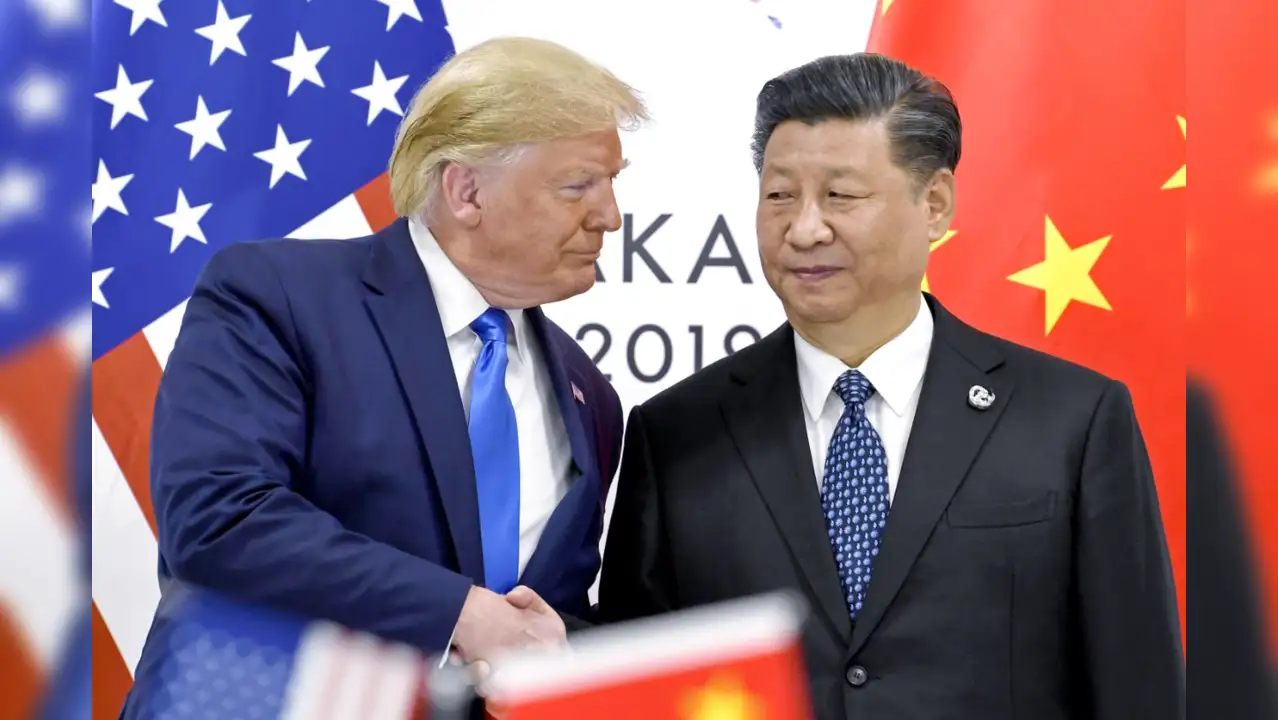
The ongoing trade tensions between the US and China have been a focal point of global economic discussions for several years. Recent developments reveal that the world’s two largest economies have agreed to extend their trade truce for an additional 90 days, a move that aims to prevent further escalation and provide a window for better negotiations. This extension is significant not only for bilateral relations but also for the stability of global markets, international trade, and economic growth.
The Background of the US-China Trade Dispute
Since 2018, the United States, under the administration of then-President Donald Trump, imposed substantial tariffs on Chinese imports, citing concerns over unfair trade practices, intellectual property theft, and a persistent trade deficit. China, in response, levied retaliatory tariffs on American goods, leading to a protracted trade war that disrupted supply chains and increased costs for businesses and consumers in both countries.
These tariffs and trade barriers created a climate of uncertainty, prompting fears of a full-scale economic conflict. Over time, however, diplomatic efforts and negotiations aimed at de-escalation began to take shape, culminating in initial agreements and truce extensions. The recent 90-day extension signals both countries’ willingness to keep diplomatic channels open and avoid escalation that could harm their economies and the global economic outlook.
Details of the 90-Day Extension
The extension was officially announced amidst ongoing talks between US and Chinese trade representatives. According to BBC, the two nations agreed to prolong their trade truce deadline for another 90 days. This extension provides a temporary reprieve from imposing new tariffs and allows both sides to continue negotiations with a sense of stability.
This period is viewed as crucial for working out long-term solutions addressing core concerns such as market access, intellectual property rights, technology transfer, and the reduction of tariffs. Both nations have expressed optimism that this window will facilitate constructive dialogue and come closer to reaching a comprehensive trade agreement.
Implications for Global Markets and Economies
The decision to extend the trade truce is viewed favorably by global markets. Investors and businesses seek clarity and stability, and this extension offers a semblance of predictability amidst global economic uncertainties. Market analysts anticipate that a prolonged trade war could have further negative impacts on supply chains, consumer prices, and overall economic growth. Therefore, this 90-day window serves as a vital period for de-escalation.
For emerging economies and global trade networks, the extension also means reduced volatility and fewer disruptions. Countries reliant on exports or import-dependent industries are particularly sensitive to trade conflicts. Staying the course during this period could help prevent wider economic repercussions and foster renewed international cooperation.
Key Challenges and Future Prospects
While the extension is a positive sign, several underlying issues remain unresolved. These include the enforcement of previous agreements, addressing concerns about technology transfer, and ensuring fair trade practices. Both sides are under pressure to make tangible concessions within the next 90 days.
Some analysts suggest that the extension may serve as a strategic delay to allow domestic political factors and economic conditions to evolve. For example, the upcoming US presidential elections or China’s economic policies could influence the negotiation dynamics.
Nevertheless, failure to reach a comprehensive deal by the end of this period could lead to renewed tariffs or even a deterioration of relations.
Statements from US and Chinese Authorities
- US Officials: Emphasized the importance of fair trade and intellectual property rights, citing the need for China to make substantial concessions.
- Chinese Officials: Reiterated commitment to open markets and called for respect for international trade rules, indicating a desire to resolve disputes through diplomacy.
Their statements reflect a mutual recognition of the importance of US-China trade relations and a willingness to avoid conflict for economic stability.
Potential Outcomes and Long-Term Impact
Should the current extension lead to a successful resolution, both nations could see benefits such as:
- Restoration of trade flows: Reduced tariffs and smoother international commerce.
- Market confidence: Increased stability for investors and businesses.
- Strengthening diplomatic ties: Creating a foundation for future cooperation on economic and geopolitical issues.
- Global economic growth: Contributing to a more stable and predictable global economy.
However, if negotiations falter, risks include:
- Resumption of tariffs: Potential for a new trade escalation cycle.
- Market volatility: Fluctuations driven by uncertainty.
- Broader geopolitical tensions: Spillovers into other areas such as technology, security, and international alliances.
Conclusion: A Critical Moment for US-China Relations
The extension of the US-China trade truce for another 90 days marks a pivotal moment in their economic relationship. It underscores both nations’ recognition of the importance of dialogue and diplomacy over confrontation. The coming months will be critical as negotiators work through unresolved issues and strive to forge a durable trade agreement.
This period not only offers a chance to stabilize economic relations but also sets the stage for future cooperation that could benefit the global economy. The world will be closely watching whether these 90 days can yield meaningful progress or if signs of further tensions emerge.
Ultimately, the success of this extension will depend on the political will, flexibility, and mutual understanding of both nations. A positive resolution could serve as a model for resolving other international disputes through peaceful negotiation.
As markets and global leaders await further developments, it remains imperative to stay informed. The long-term benefits of a stable US-China relationship extend beyond bilateral interests, shaping the economic stability of the entire world.
For more updated news please keep visiting Hourly Prime News.