

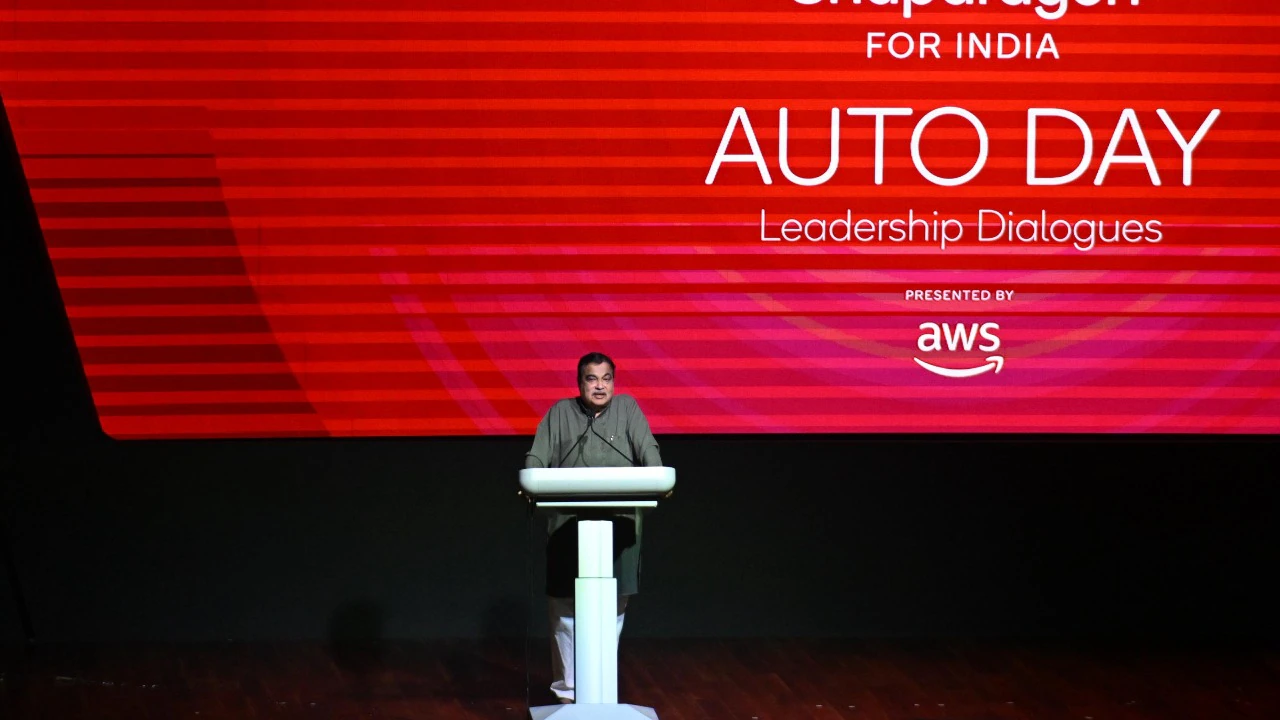
India stands at a pivotal crossroads in its quest to revolutionize the automobile sector. With mounting environmental concerns, fluctuating oil prices, and the global shift towards sustainable energy, the spotlight is increasingly turning to alternative fuels as a vital catalyst for industry transformation. Recently, Nitin Gadkari, the Union Minister for Road Transport and Highways, emphasized the immense potential that alternative fuels hold in propelling India’s automobile industry to the top spot on the world stage. His vision paints a promising picture where India not only achieves environmental sustainability but also secures a competitive edge in the global automotive arena.
The Current Scenario of India’s Automotive Sector
India boasts one of the world’s largest and fastest-growing automobile markets. The industry contributes significantly to the nation’s economy, fostering employment and technological advancement. However, challenges such as high dependency on imported fossil fuels, rising pollution levels, and increasing carbon footprints threaten sustainable growth.
Motor vehicles are a major source of air pollution, contributing to health issues and environmental degradation. This predicament underscores the urgent need for a strategic shift towards cleaner, renewable energy sources. Recognizing this, policymakers like Gadkari advocate for a transformation rooted in alternative fuels, promising benefits that reach beyond environmental impact to economic resilience and energy security.
Nitin Gadkari’s Vision for a Sustainable Future
Speaking confidently about India’s potential, Nitin Gadkari highlighted several reasons why embracing alternative fuels is crucial for the nation’s automotive future:
- Global Competitiveness: Gadkari envisions India becoming a global leader in the manufacturing and adoption of vehicles powered by alternative fuels such as ethanol, biodiesel, compressed natural gas (CNG), and electric power.
- Environmental Sustainability: Transitioning to cleaner fuels is essential for reducing greenhouse gas emissions and air pollution, contributing to India’s commitments under international climate accords.
- Economic Benefits: Adoption of biofuels and renewable energy sources can reduce dependency on imported oil, thus improving the trade balance and fostering domestic industries.
- Innovation and Technological Advancement: Investing in research for alternative fuel vehicles (AFVs) paves the way for new technological innovations and growth opportunities in the automotive sector.
Gadkari’s declarations are grounded in the realistic potential of Indian agriculture and biomass sectors, which produce vast quantities of raw materials suitable for biofuel production. He emphasizes that leveraging indigenous resources can set a robust foundation for sustainable mobility solutions.
Opportunities Presented by Alternative Fuels
1. Ethanol Fuel: A Game Changer
India is already witnessing a surge in ethanol-blended fuels, with the government aiming for 20% ethanol blending by 2025. This initiative not only reduces reliance on fossil fuels but also supports farmers by creating an additional market for sugarcane and other biomass crops.
2. CNG and LPG Vehicles
Compressed Natural Gas (CNG) and Liquefied Petroleum Gas (LPG) have become increasingly popular in urban areas due to their affordability and lower emissions. These fuels serve as an effective transition toward cleaner mobility.
3. Electric Vehicles (EVs)
While electric mobility is gaining momentum, Gadkari advocates for a hybrid approach, combining traditional and alternative fuel solutions to ensure a comprehensive transition. The government’s policies and subsidies aim to accelerate EV adoption, reducing the overall carbon footprint of the transportation sector.
4. Biodiesel and Other Renewable Sources
Biodiesel derived from used cooking oil, algae, and other biomass avenues presents additional prospects for sustainable fuel options. These not only diversify the energy basket but also promote waste management and recycling.
Challenges and Strategic Solutions
Despite the promising outlook, several hurdles remain in the widespread adoption of alternative fuels:
- Infrastructure Development: Robust fueling stations and charging infrastructure are essential for seamless adoption of AFVs across India.
- Technological Barriers: Developing cost-effective, efficient, and durable engines compatible with diverse fuels remains a technical challenge.
- Awareness and Acceptance: Public acceptance and awareness campaigns are vital to dispel misconceptions regarding new fuel types and electric mobility.
- Policy and Regulatory Frameworks: Consistent policies, incentives, and investments are necessary to foster innovation and industry confidence.
Gadkari strongly advocates for government-led initiatives, public-private partnerships, and international collaborations to overcome these barriers. The emphasis is on creating a comprehensive ecosystem that nurtures research, development, and deployment of alternative fuel vehicles.
The Road Ahead: India’s Path to Global Leadership
By prioritizing alternative fuels, India can strategically position itself as a leader in green mobility. The country’s vast biomass resources, growing technological expertise, and government support create a conducive environment for this transformation. The proactive stance articulated by Nitin Gadkari signals a clear political will to make India a hub of sustainable automotive manufacturing.
Furthermore, embracing alternative fuels aligns with India’s broader agenda of reducing greenhouse gas emissions, combating climate change, and enhancing energy security. It also opens avenues for exports in the rapidly expanding global market for clean vehicles and renewable energy solutions.
The journey toward a cleaner and more sustainable automotive industry is multifaceted, requiring concerted efforts from industry stakeholders, policymakers, researchers, and consumers. India’s strategic move toward alternative fuels will serve as a blueprint for other nations striving to balance growth with environmental responsibility.
Conclusion
Nitin Gadkari’s visionary outlook underscores the transformative potential of alternative fuels in driving India’s automotive industry to international prominence. By harnessing indigenous resources, fostering innovation, and investing in infrastructure, India can position itself as aGlobal leader in sustainable mobility. The success of this transition hinges on collective resolve and strategic policy implementations, promising a cleaner, greener future for the nation and the world.
For more updated news please keep visiting Hourly Prime News.