

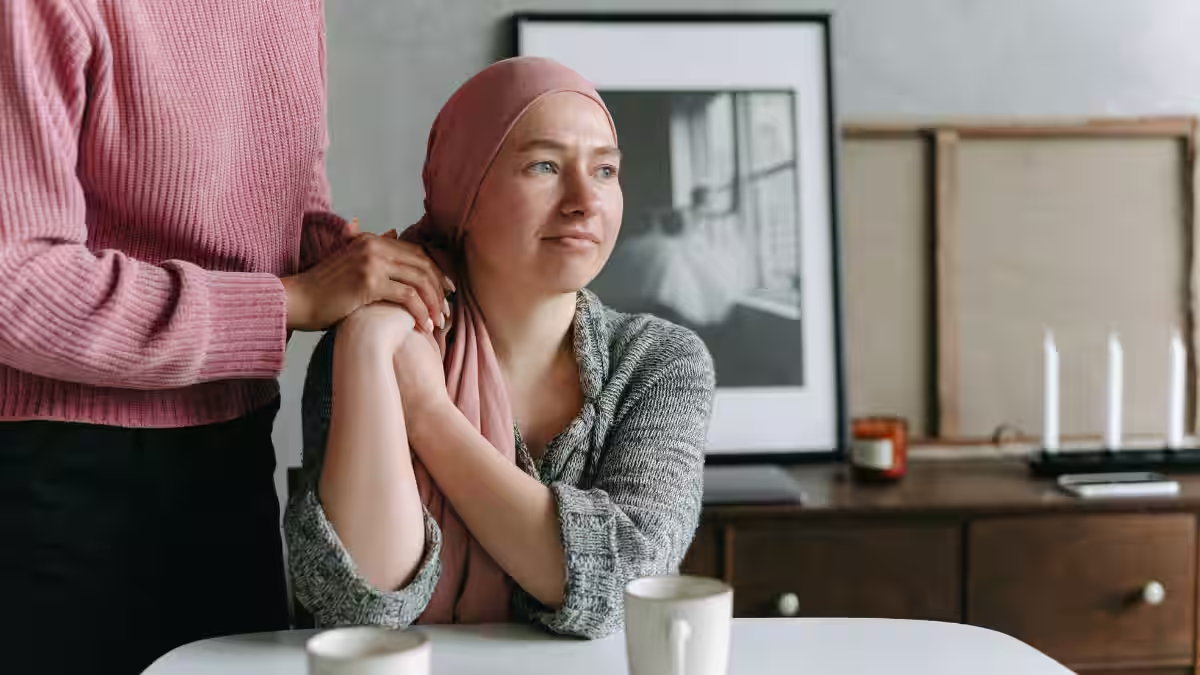
In recent years, there has been increasing concern among healthcare professionals and researchers about the notable rise in cancer diagnoses during daytime hours. This phenomenon has sparked discussions worldwide, prompting questions: Why are cancer instances growing by way of the day? Is there a correlation with modern lifestyles, environmental factors, or other underlying causes? In this article, we delve into the multifaceted reasons behind this alarming trend and explore potential strategies to address it.
The Growing Incidence of Cancer: A Global Perspective
Across the globe, cancer remains one of the leading causes of death, with new cases reported daily. According to the International Agency for Research on Cancer (IARC) and the American Cancer Society, the burden of cancer is escalating at an unprecedented rate. The latest editions of resources such as The Cancer Atlas, Fourth Edition highlight critical insights into the distribution and determinants of cancer worldwide. Notably, many regions are witnessing an increase in daytime diagnoses, which calls for a deeper understanding of contributing factors.
Why Are Cancer Instances Growing By Way Of The Day?
1. Increased Screening and Diagnostic Capabilities
One of the primary reasons for the surge in daytime cancer diagnoses is the advent of advanced screening tools and widespread health check-ups. These diagnostics often occur during routine daytime hours, leading to more diagnoses during the day. Enhanced awareness campaigns have encouraged individuals to seek medical attention proactively, which has contributed to earlier detection.
2. Lifestyle and Environmental Factors
Modern lifestyles significantly influence cancer risks. Factors such as increased exposure to pollution, sedentary behavior, unhealthy diets, and smoking have been linked to various types of cancers. Many of these risks are compounded during daytime hours when individuals are most active and exposed to environmental pollutants. Urbanization and industrial activities during the day have also increased exposure to carcinogenic agents such as vehicle emissions and industrial chemicals.
3. Shift in Work Patterns and Stress Levels
The shift towards 9-5 jobs and increased work-related stress can suppress immune function and elevate cancer risk factors, especially when combined with poor lifestyle choices. Daytime work routines may also limit the time available for health screenings and check-ups, delaying diagnosis and increasing the apparent number of daytime diagnoses.
4. Biological and Circadian Factors
Our bodies follow circadian rhythms that regulate various physiological processes, including cell repair and hormone production. Disruptions to these rhythms—common in day-shift workers—may contribute to increased cancer susceptibility. Research suggests that altered sleep-wake cycles during the day might impair DNA repair mechanisms, thereby facilitating cancer development.
Emerging Data and Research Insights
Recent initiatives, such as the launch of comprehensive resources like The Cancer Atlas, aim to map cancer prevalence and identify trends in different populations. These studies reveal patterns that indicate higher daytime incidences, especially in regions experiencing rapid urban development and environmental pollution.
Furthermore, research demonstrates that preventive measures could significantly reduce global cancer deaths. The Managed Healthcare Executive highlights that implementing effective prevention strategies—such as lifestyle modifications, early screenings, and public health policies—could cut the global cancer mortality rate in half.
Can Prevention and Early Detection Mitigate the Rising Cases?
Prevention Strategies
- Healthy Lifestyle Changes: Adopting a balanced diet, engaging in regular physical activity, avoiding tobacco, and moderating alcohol consumption can reduce cancer risk.
- Environmental Protection: Reducing exposure to environmental carcinogens by improving air quality and regulating industrial emissions is vital.
- Vaccinations and Screening: Vaccines such as HPV and hepatitis B, along with routine screenings for breast, colon, and cervical cancers, can facilitate early detection and better prognosis.
Challenges in Implementation
Despite the awareness, implementing widespread preventive measures faces obstacles including socioeconomic disparities, lack of access to healthcare, and cultural barriers. Addressing these issues requires coordinated efforts between governments, healthcare organizations, and communities.
Conclusion: Moving Forward to Combat the Rising Trend
The rising incidence of cancer cases during the day underscores a complex interplay of environmental, lifestyle, biological, and healthcare system factors. Recognizing these contributors enables policymakers, health professionals, and individuals to adopt targeted strategies for prevention, early detection, and effective management.
Investing in public health initiatives that promote healthy lifestyles, strengthen healthcare infrastructure, and improve environmental standards could substantially curb this alarming trend. As our understanding deepens, so does the potential to reverse the rising tide of cancer diagnoses during daytime hours and beyond.
In the fight against cancer, awareness is the first step—followed by proactive, collective action to safeguard future generations.