

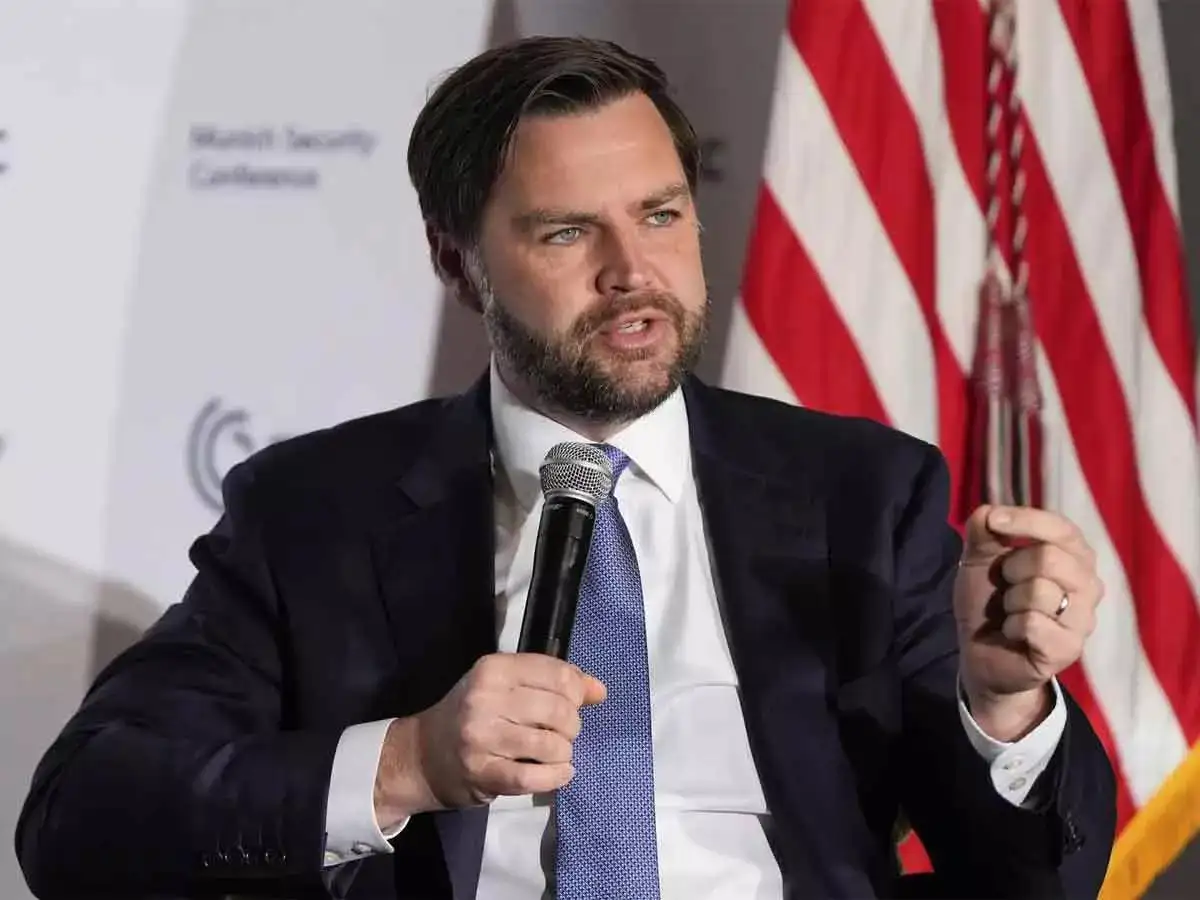
As the geopolitical landscape continues to evolve rapidly, significant voices within the United States are signaling a notable shift in the country’s foreign policy approach, particularly concerning ongoing conflicts. One such prominent voice is Senator JD Vance, whose recent declaration ahead of the upcoming Alaska summit has sent ripples through political and diplomatic circles. Vance’s statement—that the US is “done with funding Ukraine war business”—marks a potential turning point in American commitments to Ukraine and its broader strategy toward Eastern European security.
This statement reflects a growing sentiment of skepticism and fatigue among some American policymakers and citizens regarding committed military and financial support to Ukraine amidst ongoing conflict with Russia. The declaration also raises questions about future US involvement in Ukraine and the possible implications for global stability, NATO commitments, and the broader balance of power in the region.
The Context: US Support for Ukraine and the Current Geopolitical Climate
Since Russia’s invasion of Ukraine in early 2022, the United States has taken a prominent role in backing Kyiv through military aid, financial assistance, and diplomatic support. These efforts aim to bolster Ukraine’s defenses and deter Russian expansionism, aligning with NATO’s strategic interests and the US government’s commitment to transatlantic security.
However, the prolonged nature of the conflict has started to influence public opinion and political discourse. The financial cost, human toll, and strategic uncertainties have led some lawmakers and commentators to question whether continuous escalation is sustainable or desirable. JD Vance’s outspoken stance underscores this increasingly prevalent viewpoint.
JD Vance’s Position: “Done with Funding Ukraine War Business”
In a recent statement, Vance declared, “We are done with funding Ukraine war business.” This blunt remark underscores a shift from previous bipartisan support for aid to Ukraine, indicating that some politicians now believe that the US has provided enough assistance and that further financial commitments may no longer serve American interests.
He elaborated that the US should prioritize domestic issues over ongoing foreign conflicts and warned against becoming entangled in prolonged wars that do not directly benefit American citizens. This stance resonates with a broader populist trend, questioning the rationale behind extensive foreign aid at the expense of domestic needs such as infrastructure, healthcare, and economic growth.
Implications of Vance’s Statement: What Could It Mean?
- Reduced US Support: The declaration suggests a potential reduction or cessation of military aid and financial support to Ukraine, potentially affecting Kyiv’s capacity to sustain its defense efforts.
- Shift in US Policy Direction: It could signal a broader reevaluation of US foreign policy priorities, leaning toward caution, restraint, and focus on national interests rather than international interventions.
- Global Stability Concerns: A rollback in support may embolden Russia or other adversaries, possibly escalating tensions or leading to a realignment of alliances and security arrangements.
- Political Repercussions: Vance’s stance could influence other lawmakers, sparking debates in Congress about the future of Ukraine aid and US engagement in foreign conflicts.
The Response and Reactions
While Vance’s comments reflect a growing skepticism, they have also attracted opposition from those who argue that US assistance to Ukraine is vital for maintaining global order and deterring authoritarian aggression. Many foreign policy experts warn that pulling back support could weaken Ukraine’s position and undermine NATO’s credibility.
Conversely, some analysts believe that Vance’s stance aligns with a wider call for accountability and fiscal responsibility among American politicians. They argue that US aid should be carefully calibrated to prevent overreach and ensure that strategic objectives are truly aligned with national interests.
What’s Next? The Alaska Summit and Potential Outcomes
The upcoming Alaska summit will serve as a critical platform for discussing US foreign policy alongside allies and partners. Vance’s declaration is expected to influence the tone and priorities of the discussions. The summit could see debates on:
– The scope and scale of US aid to Ukraine
– Shifts toward diplomatic solutions versus military support
– Realignment of US commitments in Eastern Europe
As the US contemplates its next steps, the tone set by figures like JD Vance may signal a move toward more cautious engagement, or at least a reconsideration of how aid is structured and justified.
Conclusion: Navigating the Future of US-Ukraine Relations
JD Vance’s recent statement about the US ending support for Ukraine’s war funding marks a significant moment in American foreign policy discourse. It highlights the tension between maintaining strategic commitments and addressing domestic priorities. While this stance may not represent a consensus, it underscores an evolving debate about America’s role on the global stage.
As the international community watches the developments unfolding in Alaska and beyond, one thing remains clear: the future of US support for Ukraine will be shaped by a combination of political will, public opinion, and strategic calculations. Policymakers must balance these factors carefully to avoid unintended consequences that could destabilize regional security and challenge longstanding alliances.
Ultimately, the declaration signifies a call for reevaluation and dialogue—one that may define the trajectory of US foreign policy in the years to come.
For more updated news please keep visiting Hourly Prime News.