

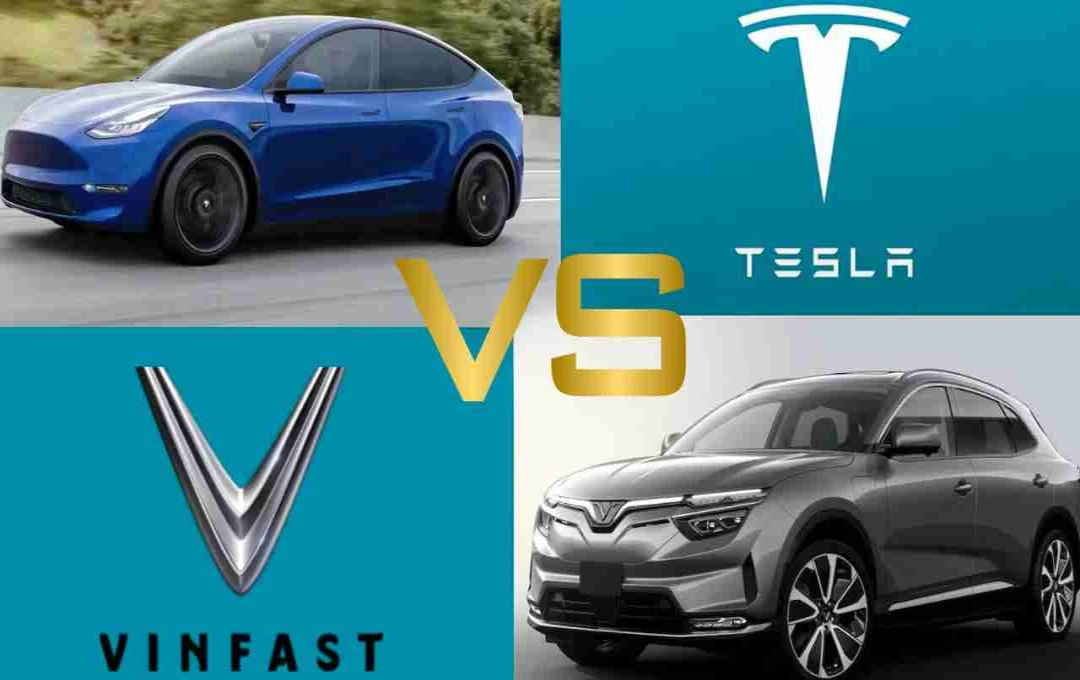
The electric vehicle (EV) industry is rapidly evolving globally, with major players like Tesla and VinFast vying to establish a significant presence in emerging markets. Among these, India stands out as a particularly promising yet challenging landscape. Its unique combination of economic growth, increasing urbanization, and government initiatives makes it an attractive destination for foreign EV companies. However, market entry is not without hurdles. This article explores the potential for Tesla, VinFast, and other foreign EV manufacturers to thrive in India’s vibrant and complex market.
India’s Growing EV Market: Opportunities and Challenges
Rapid Market Growth and Government Support
India’s EV market is witnessing remarkable growth, driven by government policies aimed at reducing reliance on fossil fuels, curbing air pollution, and promoting sustainable transportation. Initiatives such as the Faster Adoption and Manufacturing of Hybrid & Electric Vehicles (FAME) scheme have significantly incentivized EV adoption. The Indian government has set ambitious targets—aiming for electric vehicles to constitute a substantial portion of new vehicle sales by 2030. With over a billion people and a burgeoning middle class, the potential customer base is enormous.
Challenges in the Indian EV Landscape
Despite promising prospects, foreign EV companies face notable challenges, including:
- Infrastructure Limitations: Charging infrastructure remains underdeveloped in many parts of India, especially in rural and semi-urban areas.
- Price Sensitivity: Indian consumers are highly price-conscious. Affordability is key, making premium EVs less accessible without appropriate pricing strategies or local manufacturing.
- Local Competition: Domestic automakers like Tata Motors, Mahindra, and several startups are rapidly developing their own EV offerings, often at lower costs.
- Cultural and Market Preferences: Indian consumers may have preferences for compact, fuel-efficient city cars and may prefer vehicles suited to local terrains and conditions.
- Regulatory and Import Duties: High import tariffs on foreign vehicles can increase costs, making it difficult for foreign firms to compete on price.
Strategic Approaches for Foreign EV Companies in India
Local Manufacturing and Pricing Strategies
To succeed, companies like Tesla and VinFast are increasingly focusing on local manufacturing. Establishing manufacturing plants within India can significantly reduce costs, bypass import duties, and allow for community-specific vehicle adaptations. Local manufacturing also signals long-term commitment to the Indian market, boosting consumer confidence and brand credibility.
Building Infrastructure and Partnerships
Foreign firms must invest in charging infrastructure, possibly through partnerships with local firms or government initiatives. Collaborations with Indian conglomerates can facilitate quicker market penetration, supply chain management, and after-sales service.
Adapting Products to Local Needs
Customization is vital. Vehicles designed to suit Indian roads, traffic conditions, and consumer preferences will have a competitive edge. Smaller, affordable EV models with longer battery life and robust build quality are more likely to succeed among Indian consumers.
Case Studies: Tesla and VinFast
Tesla’s Entry Strategy in India
Tesla announced plans to establish a presence in India, primarily by importing vehicles initially and gradually ramping up local manufacturing. Tesla’s global reputation for innovation and quality provides a strong brand presence, but the company must adapt to the Indian market’s price sensitivity. Tesla’s entry may focus on premium segments initially, with plans to introduce more affordable models over time.
VinFast’s Approach to India
VinFast, a Vietnamese EV manufacturer, has been expanding its footprint in Southeast Asia and contemplating global markets. For India, VinFast’s strategy likely involves leveraging cost advantages, establishing local manufacturing, and focusing on affordable EV segments. Their success will depend on their ability to establish supply chains and navigate regulatory frameworks.
Future Outlook and Market Dynamics
The future of foreign EV firms in India hinges on several factors:
- Policy Stability: Clear and consistent government policies foster investor confidence and facilitate long-term planning.
- Technology Adaptation: Innovations in battery technology, charging solutions, and vehicle design tailored for India’s unique environment will be critical.
- Consumer Awareness and Acceptance: Educating consumers about EV benefits and dispelling myths about electric mobility will help accelerate adoption.
- Competitive Pricing: Striking a balance between quality and affordability to attract a broad customer base is essential for market penetration.
In addition, the evolving competitive landscape, including domestic automakers’ investments in EV technology, will influence how foreign companies strategize their entry and growth. As Indian consumers become more environmentally conscious and electric vehicles become more mainstream, the potential for foreign players to thrive increases.
Conclusion
In summary, DJI’s EV market presents a fertile ground for Tesla, VinFast, and other international players, but success is conditioned on strategic adaptation to local conditions. Local manufacturing, infrastructure investment, product customization, and alignment with government policies are essential components of a winning strategy. While many hurdles remain, the expanding EV ecosystem in India offers promising opportunities for foreign firms willing to innovate and collaborate effectively.
Will Tesla, VinFast, and other foreign EV brands succeed in India? The answer depends on their agility in navigating challenges, understanding consumer needs, and aligning with India’s sustainable mobility goals.
For more updated news please keep visiting Hourly Prime News.