

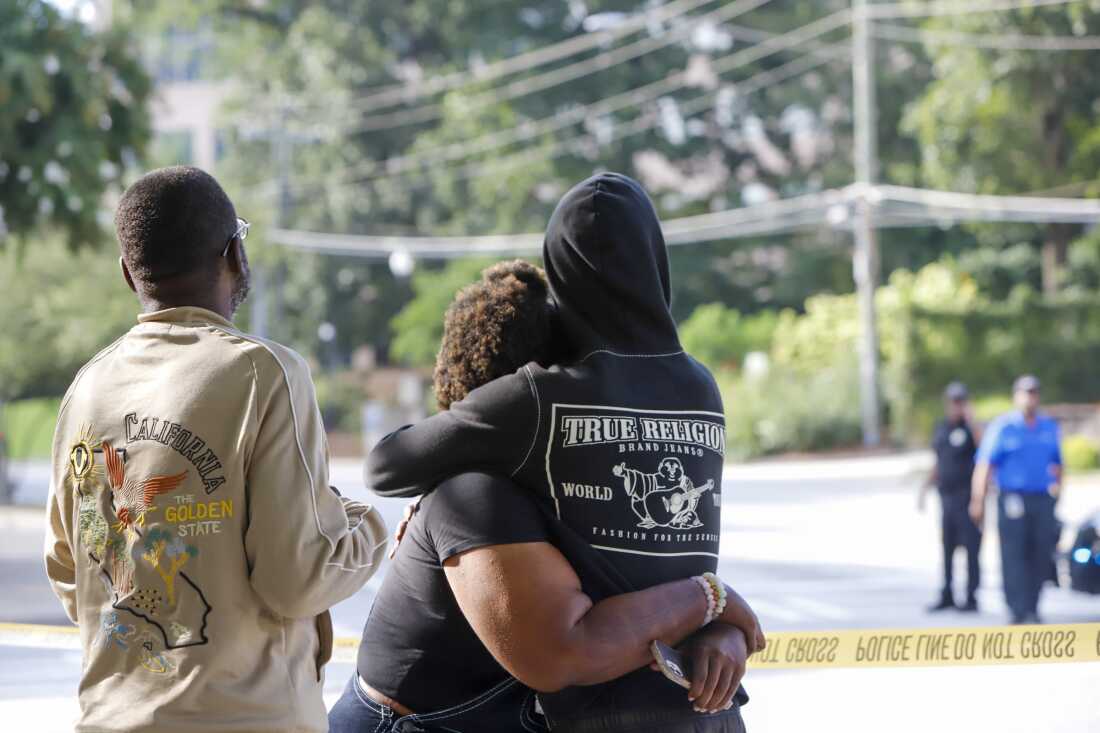
The recent attack on the Centers for Disease Control and Prevention (CDC) by an armed individual sent shockwaves through the nation. What makes this incident particularly concerning is the emerging evidence suggesting that the gunman harbored strong anti-Covid vaccine beliefs. This event sheds light on the complex and often volatile intersection of political opinions, misinformation, and public health debates that have intensified during the pandemic era.
The Background of the Incident
According to recent reports from BBC, the attacker was armed and entered a sensitive federal facility, ostensibly to make a statement or pursue a particular agenda. The incident, which resulted in injuries but not fatalities, raised urgent questions about the motives behind such acts of violence.
The Evidence Linking the Gunman to Anti-Covid Vaccine Beliefs
Emerging Clues and Behavioral Indicators
Spearheading investigations into the gunman’s background, authorities uncovered alarming indicators of anti-vaccine sentiments. Witnesses and digital footprints revealed that the attacker was active in online communities known for disseminating vaccine skepticism and conspiracy theories. Some of these narratives explicitly oppose mandated vaccinations, often citing misinformation about vaccine safety and efficacy.
Additionally, prior social media posts indicated a strong distrust in government health agencies, with some messages expressing frustration over vaccine mandates and perceived infringement on personal freedoms. Experts suggest that such beliefs, when coupled with access to firearms, can sometimes escalate into violent confrontations with institutions or personnel viewed as enforcing public health policies.
The Broader Context of Anti-Covid Vaccine Movements
Why Are Anti-Vaccine Sentiments So Persistent?
The anti-Covid vaccine movement is rooted in a complex mix of ideological, cultural, and psychological factors. Key elements include:
- Misinformation and Conspiracy Theories: Widespread falsehoods about vaccine ingredients, side effects, and intentions of health authorities have sowed doubt among segments of the population.
- Distrust in Government and Medical Establishments: Some individuals perceive vaccines as instruments of government control or corporate profiteering, fueling resistance to vaccination campaigns.
- Religious and Philosophical Beliefs: A subset of communities oppose vaccines on doctrinal grounds, viewing health decisions as personal or divine matters rather than medical ones.
- Political Polarization: The pandemic became heavily politicized, with vaccine skepticism often aligned with specific political ideologies, deepening societal divides.
Implications of the Incident: A Wake-Up Call for Public Safety
The Threat of Lone Actors with Harmful Beliefs
Incidents like the CDC attack underscore the danger posed by individuals with radicalized views, especially when intertwined with firearm access. The independent nature of such acts makes them particularly challenging to predict and prevent. It also highlights the urgent need for mental health interventions and community engagement to identify and de-escalate potential threats early.
Need for Better Communication & Education
Counteracting misinformation is critical. Public health authorities and community leaders must develop robust strategies to communicate the safety and importance of vaccines. Transparent information, empathetic dialogue, and targeted outreach can help bridge the trust gap and reduce the appeal of conspiracy theories.
Addressing the Roots of Vaccine Skepticism
Building Trust in Public Health
The key to preventing similar incidents is fostering trust between the public and health institutions. This involves:
- Enhanced transparency: Sharing comprehensive data and research openly.
- Community engagement: Involving local leaders and influencers in health campaigns.
- Addressing Concerns Respectfully: Listening to and validating individual fears before providing factual information.
- Countering Misinformation: Deploying credible sources to dispel myths swiftly and effectively.
Legal and Policy Responses
Legislators and law enforcement agencies are also tasked with developing policies to mitigate the risks posed by weaponized individuals with anti-vaccine beliefs. This includes:
- Stricter firearm regulations: Background checks and restrictions for high-risk individuals.
- Enhanced threat assessments: Proactive identification of potential domestic threats rooted in extremist beliefs.
- Strengthening mental health services: Offering support to individuals expressing radicalized views or distress.
Conclusion: Moving Forward with Vigilance and Compassion
The tragic incident at the CDC serves as a stark reminder of the volatile landscape of public health debates today. While individuals are entitled to their beliefs, resorting to violence or extremism poses serious risks to community safety and societal cohesion. It is imperative that authorities, community leaders, and citizens work together to promote understanding, trust, and respect, building resilience against misinformation and radicalization.
Only through unified effort and compassionate approaches can we hope to reduce such incidents in the future and ensure that public health initiatives are embraced rather than opposed.
For more updated news please keep visiting Hourly Prime News.