

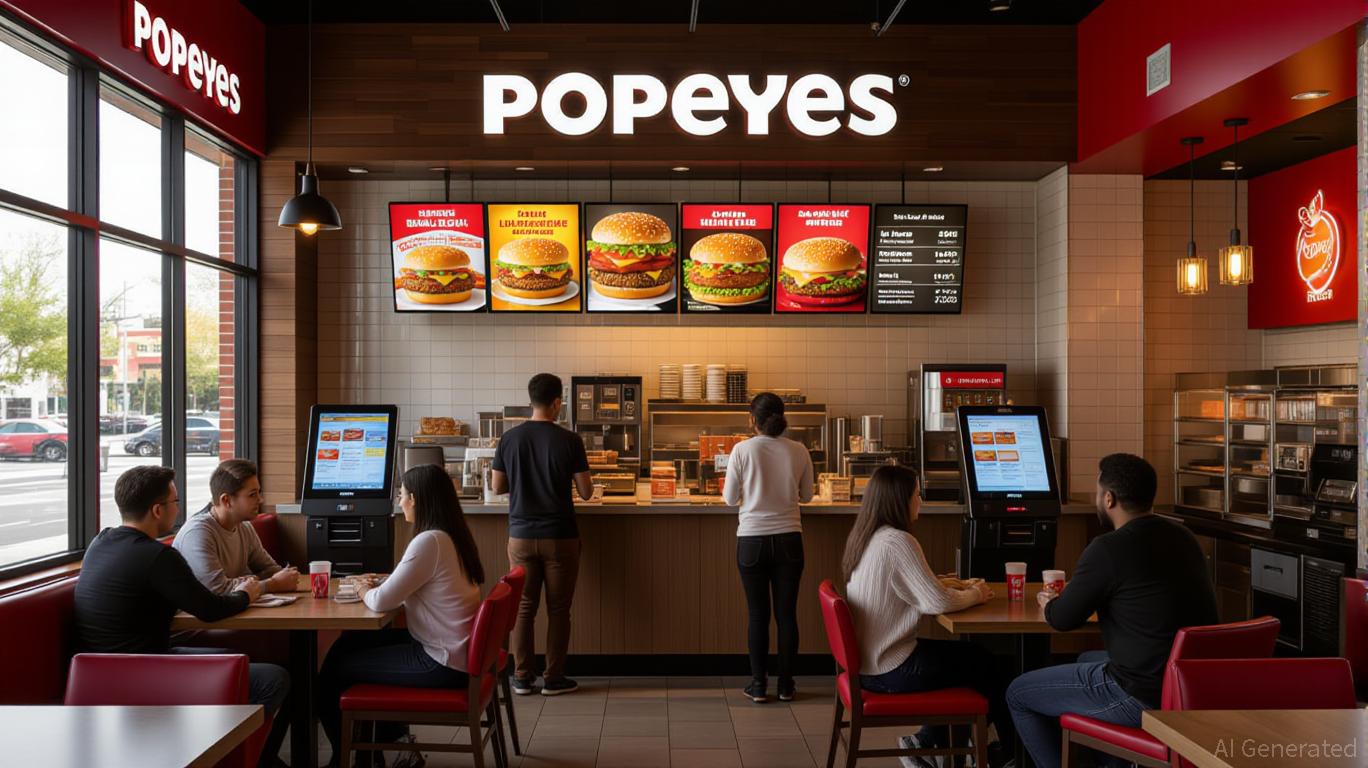
Restaurant Brands International (RBI), one of the world’s leading fast-food giants, has recently reported its second-quarter earnings for 2025, revealing a notable decline in its earnings per share (EPS). This decrease marks a significant shift from previous performance benchmarks and prompts investors, analysts, and industry observers to reconsider the company’s financial health and strategic direction. In this comprehensive review, we will analyze the factors influencing RBI’s Q2 2025 earnings, compare it with historical data, and discuss what this decline might foreshadow for the future of the company.
Understanding the Q2 2025 Earnings Report
Key Financial Figures
- EPS for Q2 2025: US$0.79
- EPS for Q2 2024: US$1.19
According to Yahoo Finance, this marks a significant decrease from the same quarter last year, where the EPS stood at US$1.19. The drop to US$0.79 represents roughly a 33% decline, signaling potential challenges or shifts within the company’s operational landscape.
Analysis of the Decline
The quarter’s earnings decline can be attributed to a combination of internal and external factors. These may include increased operational costs, changing consumer preferences, or competitive pressures within the fast-food industry. Furthermore, strategic investments or restructuring efforts might have impacted short-term profitability.
In the context of recent industry trends, many fast-food chains are facing inflationary pressures that elevate costs of ingredients, labor, and supply chain logistics. RBI’s lower earnings could reflect the ripple effect of these macroeconomic factors.
Industry Context and Competitor Analysis
How Does RBI’s Performance Compare?
Compared to its primary competitors, such as McDonald’s, Yum! Brands, or Wendy’s, RBI’s earnings decline is a mixed bag. While some peers report stable or modest growth, others are experiencing similar pressures. For instance, McDonald’s recent earnings have also shown fluctuations, but their resilient brand recognition and diversified menu offerings tend to buffer against economic shocks.
RBI, which owns prominent brands like Burger King, Tim Hortons, and Popeyes, has historically relied on aggressive expansion, innovative marketing, and menu diversification. However, the Q2 2025 results indicate that these strategies may need recalibration to sustain investor confidence.
Factors Contributing to the Earnings Decline
Supply Chain and Cost Challenges
- Inflationary Pressures: Rising costs for raw materials and transportation have increased overall expenditure.
- Labor Costs: Wage inflation and staffing shortages continue to strain operational budgets.
- Supply Chain Disruptions: Global logistic issues have led to delays and increased procurement costs.
Market Dynamics
- Consumer Behavior: Shifts toward healthier and more diverse food options may have impacted sales in traditional fast-food segments.
- Competitive Environment: Increased competition from other fast-food chains and quick-service restaurants has pressured margins.
- Regulatory Changes: New health, safety, and labeling regulations can impose additional costs and operational constraints.
Strategic Initiatives and Their Impact
- Menu Innovation: While introducing new menu items can attract customers, it often requires significant investment, which can temporarily reduce earnings.
- Expansion Efforts: Ongoing global expansion may not yield immediate financial returns, influencing quarterly profits.
- Technological Upgrades: Investments in digital ordering, delivery systems, and loyalty programs are essential but costly upfront investments.
Investor Reactions and Market Outlook
The earnings decline has elicited varied reactions among investors and market analysts. Some view it as a short-term setback, attributing it to industry-wide pressures that will stabilize as supply chains and costs normalize. Others express concern about the sustainability of RBI’s growth trajectory given the recent results.
Stock volatility often accompanies such earnings reports. Investors are now closely monitoring RBI’s strategic response, including cost containment measures, branding initiatives, and menu modernization efforts to regain growth momentum.
Strategic Response and Future Outlook
Management’s Perspective
Despite the earnings dip, RBI’s management has emphasized ongoing efforts to optimize operations, enhance menu offerings, and expand into new markets. They acknowledge the challenges posed by current macroeconomic conditions but remain optimistic about long-term growth prospects.
Potential Growth Drivers
- Digital and Delivery Expansion: Continued investments in online ordering and delivery services are expected to drive revenue growth.
- Global Expansion: Penetrating emerging markets could offset saturation in mature regions.
- Menu Diversification: Introducing healthier and innovative options can attract a broader customer base.
- Operational Efficiency: Streamlining supply chains and reducing waste could improve margins over time.
However, achieving these growth drivers will require strategic patience and resilience, particularly during a period of earnings volatility.
Conclusion
The Q2 2025 earnings report for Restaurant Brands International highlights the complex landscape of the fast-food industry amid macroeconomic pressures. While the decline to US$0.79 EPS from US$1.19 in the same period last year reflects some immediate challenges, it also presents an opportunity for the company to reassess and refine its strategies.
Investors and industry watchers will be paying close attention to RBI’s subsequent moves, especially regarding cost management, menu innovation, and global expansion efforts. As the company navigates these turbulent times, its ability to adapt and execute will determine its future trajectory.
Overall, the decline is a reminder of the dynamic nature of the restaurant industry and the importance of agile strategic planning in maintaining competitive edge and fostering sustainable growth.
For more updated news please keep visiting Hourly Prime News.