

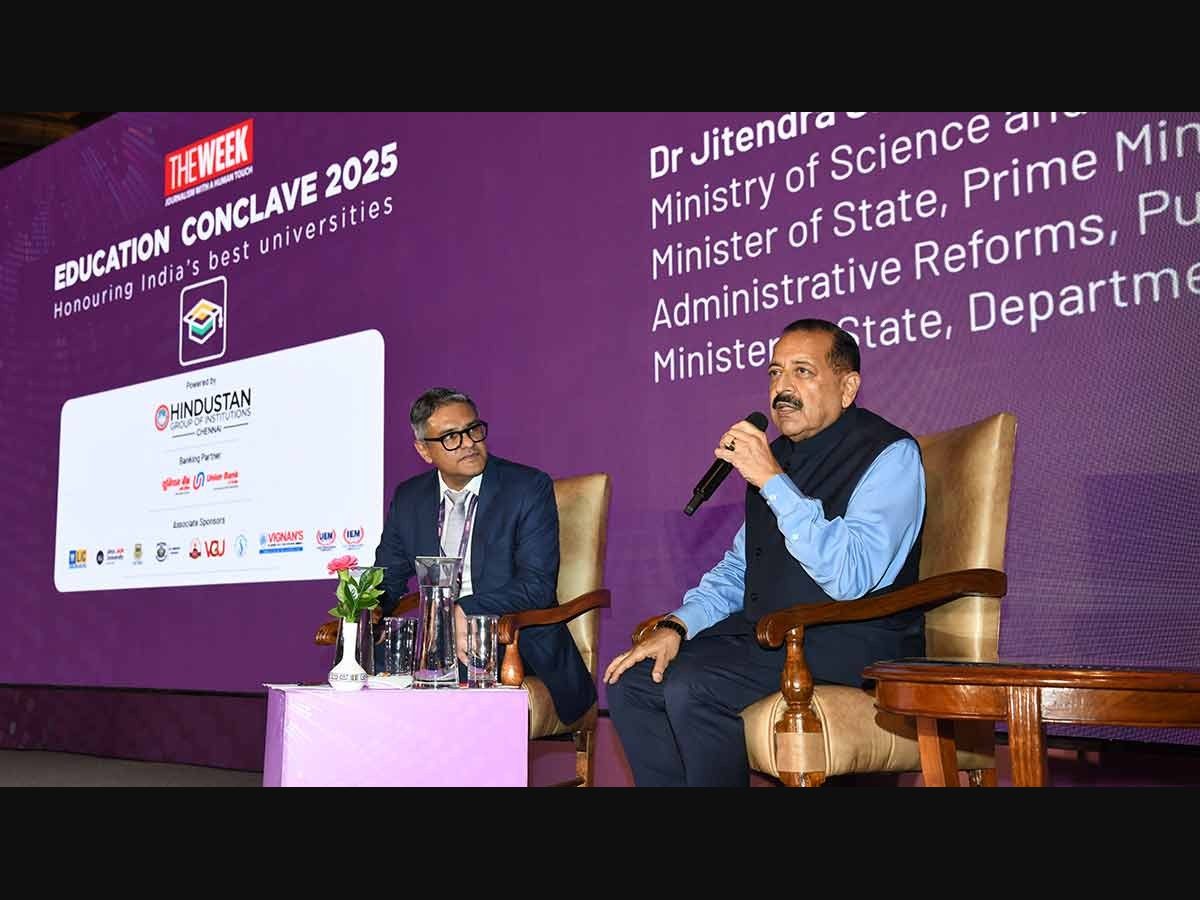
India’s vision of becoming a Viksit Bharat — a prosperous and developed nation — hinges critically upon the power of education. The recent The Week Education Conclave brought together leading experts, policymakers, educators, and thought leaders to deliberate on an innovative and actionable roadmap that positions education at the core of this transformative journey. The conclave underscored that lasting development can only be achieved through a collaborative and strategic overhaul of the education system, aligning it with the evolving needs of the 21st century.
Key Challenges Facing the Current Education System
Despite significant strides over decades, India’s education sector still grapples with several persistent issues:
- Quality Disparity: Variations in infrastructure, teacher quality, and learning outcomes across regions.
- Access and Equity: Marginalized communities often face barriers to quality education due to socio-economic and geographical factors.
- Outdated Curriculum: Many curricula fail to equip students with skills relevant to today’s digital and global economy.
- Insufficient Emphasis on Skill Development: A traditional focus on rote learning hampers innovation, problem-solving, and critical thinking.
- Technological Gaps: Limited integration of technology in classrooms restricts modern pedagogical methods.
The Vision for a Viksit Bharat: A Roadmap Centered on Education
The conclave highlighted that a comprehensive and future-ready education system is imperative for India’s evolution into a Viksit Bharat. Experts outlined several strategic pillars to realize this vision:
1. Revamping Curriculum and Pedagogy
A key focus is on making curricula more relevant and skill-oriented. This involves:
- Incorporating digital literacy, coding, and AI modules from an early age.
- Embedding life skills, critical thinking, and problem-solving in education.
- Transitioning from rote memorization to project-based and experiential learning.
2. Strengthening Teacher Training and Professional Development
Teachers are the backbone of effective education. Ensuring they are well-prepared with modern pedagogical tools is crucial:
- Implementing continuous capacity-building programs.
- Promoting technological proficiency among educators.
- Encouraging innovative teaching methodologies that foster student engagement.
3. Embracing Technology and Digital Tools
The pandemic accelerated digital adoption, yet integration remains inconsistent. To pave the way towards a Viksit Bharat, the conclave emphasized:
- Expanding e-learning platforms and mobile-based educational content.
- Ensuring digital infrastructure in underserved areas.
- Utilizing data analytics for personalized learning experiences.
4. Promoting Inclusive and Equitable Education
Bridging the gap for marginalized sections is fundamental:
- Implementing targeted scholarship and support schemes.
- Enhancing infrastructure and resources in rural and tribal schools.
- Fostering multilingual education to preserve cultural heritage and improve comprehension.
5. Fostering Industry-Academia Collaboration
To build a workforce ready for future challenges:
- Encouraging industry-driven internships, apprenticeships, and mentorships.
- Revamping vocational and technical education programs.
- Facilitating research partnerships for innovation-driven development.
Role of Policy and Governance
While initiatives on the ground are vital, effective governance and policy reforms serve as catalysts for educational excellence:
- Streamlined funding to ensure equitable allocation of resources.
- Decentralized decision-making empowering local bodies.
- Introduction of rigorous monitoring and evaluation mechanisms to maintain quality standards.
- Encouraging public-private partnerships to expand reach and innovation.
Community and Stakeholder Engagement
The conclave also highlighted that building a vibrant educational ecosystem requires active participation from all stakeholders:
- Parents and communities need to be involved in school management and support.
- Private sector players should contribute through investments and expertise.
- Non-governmental organizations and civil society can serve as catalysts for change and outreach.
Technology as a Catalyst for Transformation
In the era of digital revolution, technology can be a game-changer:
- Implementing virtual classrooms to reach remote areas.
- Using AI-driven adaptive learning to personalize student experiences.
- Leveraging data to monitor progress and inform policy decisions.
Global Benchmarks and Best Practices
Looking beyond national borders, India can adopt best practices from global education systems:
- Adopting Finland’s student-centric approach.
- Learning from Singapore’s strong emphasis on vocational education.
- Integrating emerging technologies used effectively in countries like South Korea and Estonia.
Conclusion: The Path Forward
The The Week Education Conclave underscored that achieving a Viksit Bharat is an ambitious but attainable goal. It necessitates a multi-faceted, integrated approach intertwining policy reforms, technological innovations, skill enhancement, and stakeholder engagement. A future-driven education system can catalyze India’s growth, making it a beacon of knowledge, innovation, and inclusive development. The collective efforts of government, academia, industry, and civil society are essential to this mission.
Final Thoughts
As India stands at a critical juncture, the emphasis on reimagining education is more relevant than ever. It is not just about imparting knowledge but about shaping a resilient, skilled, and compassionate generation ready to build the Viksit Bharat. The insights from the conclave serve as a blueprint for policymakers, educators, and society at large to collaborate and turn this vision into reality.
For more updated news please keep visiting Hourly Prime News.