

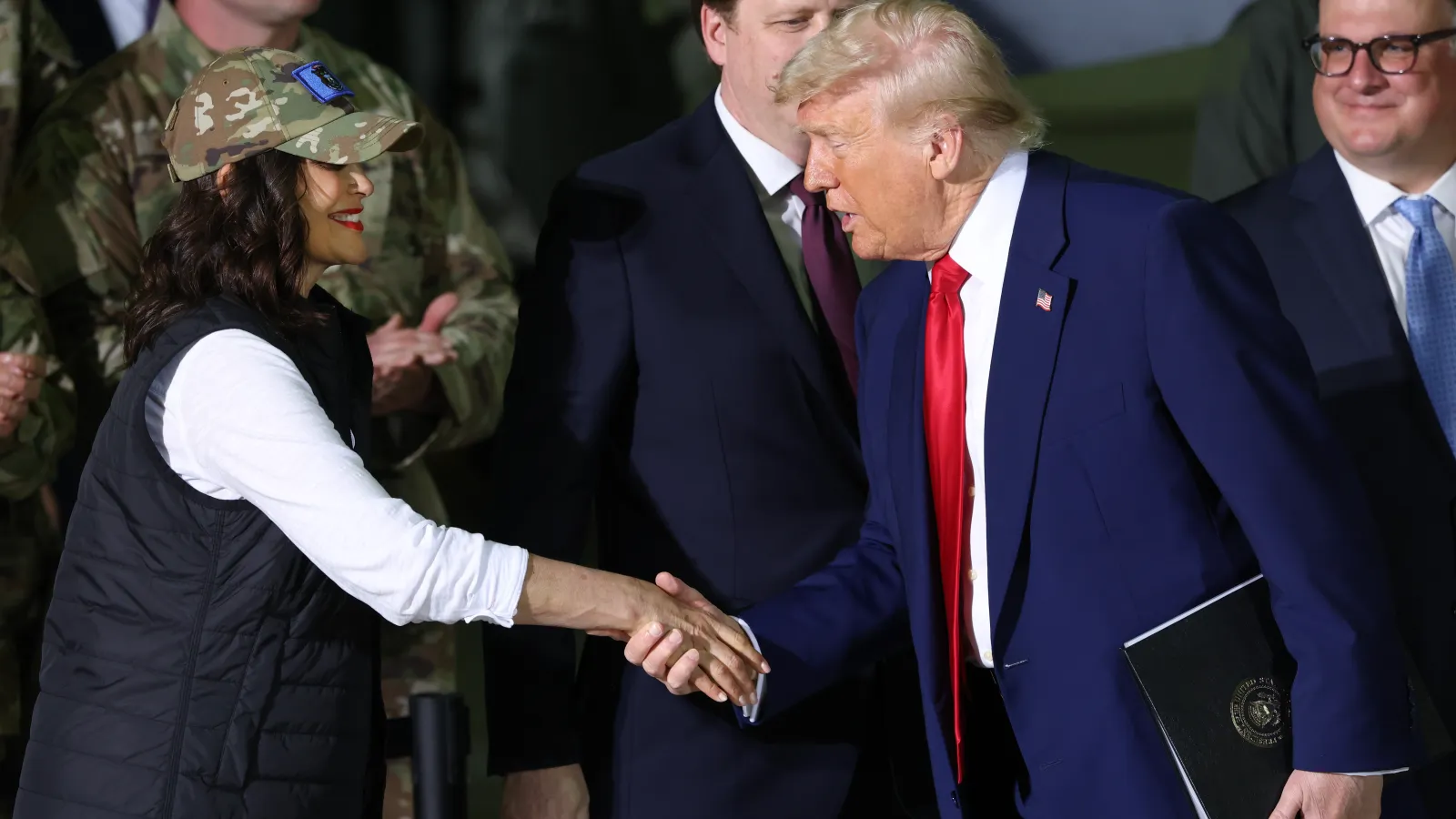
Michigan, renowned as the heartland of America’s automotive industry, has recently sounded an urgent call to the federal government, specifically targeting President Donald Trump. State officials, industry leaders, and auto workers themselves are raising alarms over escalating tariffs and their devastating impact on the auto sector. The state’s economy, heavily reliant on the automotive supply chain and manufacturing jobs, faces an uncertain future if current trade policies persist.
The auto industry in Michigan isn’t just a sector; it’s a cornerstone of the state’s identity, economy, and employment. Millions of Americans depend on auto manufacturing and related services for their livelihoods. The recent increase in tariffs on imported steel and aluminum, as well as broader trade tensions, have led to fears of rising costs, reduced competitiveness, and potential layoffs. This scenario jeopardizes the stability of thousands of auto jobs, many of which are concentrated in Michigan’s manufacturing belts.
Governor Whitmer’s Urgent Plea to the Federal Government
Michigan’s Governor Gretchen Whitmer has taken a proactive stand, urging President Trump to reconsider and ease the imposed tariffs. In various statements and public appeals, she emphasized the critical need to protect auto industry jobs and secure the future of Michigan’s economy.
Key points in her appeal include:
- Request for the reduction or suspension of tariffs that increase production costs for automakers and suppliers.
- Highlighting the risk of significant layoffs and factory closures if tariffs persist or escalate.
- Advocating for policies that promote fair trade while safeguarding American manufacturing interests.
- Emphasizing the importance of maintaining a competitive edge against global automakers, especially in the wake of rising costs attributed to tariffs.
The Ripple Effects of Tariffs on Auto Jobs
The imposition of tariffs has far-reaching implications beyond simple cost hikes. Automakers and suppliers operating within Michigan face a precarious balancing act, trying to absorb added costs or pass them onto consumers, which could reduce sales and profits. Increasingly, concerns are mounting about job losses, factory shutdowns, and reduced investment in the region.
For instance, a rise in steel prices caused by tariffs directly influences manufacturing expenses. Steel and aluminum are fundamental components in automotive production, and increased material costs may lead to decreased profit margins. Automakers, faced with these financial strains, might resort to scaling back production or delaying new investments — decisions that inevitably threaten jobs.
The Fears of Automakers and Industry Leaders
Several automakers operating in Michigan have publicly expressed fears that continued tariffs could threaten their operational stability. Automakers emphasize that tariffs distort the free market, increase costs unpredictably, and undermine their global competitiveness. In a competitive auto industry that spans North America, Europe, and Asia, the added costs from tariffs risk making American-made vehicles less affordable compared to international competitors.
Some industry insiders warn that if these tariffs persist, we could witness a decline in auto manufacturing jobs — from assembly lines to parts suppliers — and possibly a reduction in the number of manufacturing plants operating in the state. These warnings are backed by economic analyses indicating that escalating tariffs could potentially lead to thousands of job losses across Michigan’s auto industry.
The Broader Economic and Political Context
Trade disputes and tariffs are complex, intertwined with broader geopolitical strategies. While the administration’s aim was to bolster American manufacturing through tariffs, the unintended consequences threaten to backfire, especially in regions like Michigan where the auto industry is deeply woven into the fabric of local economies.
Some critics argue that tariffs as a tool for protectionism often result in higher prices for consumers and manufacturers and can provoke retaliatory measures from trading partners, further destabilizing markets. Michigan’s plea underscores the economic vulnerability that such policies can impose on critical sectors.
What Can Be Done?
To safeguard Michigan’s auto industry and the thousands of associated jobs, several measures are being considered:
- Negotiating trade agreements that reduce tariffs and foster fair competition.
- Implementing targeted relief packages or subsidies for affected auto parts suppliers.
- Encouraging manufacturers to diversify supply chains and explore alternative sourcing to mitigate tariff impacts.
- Engaging in collaborative dialogue between federal and state governments, industry leaders, and labor unions to develop sustainable solutions.
Furthermore, there’s a growing consensus that diplomacy and compromise are essential. Finding common ground to balance national trade policies with local economic needs can help ensure that the auto industry remains resilient and competitive in the long term.
The Public’s Role and Industry Response
Public opinion in Michigan increasingly supports the effort to lift tariffs. Auto workers and local communities see firsthand how trade policies can directly threaten their livelihoods. Labor unions advocate for government action to protect jobs, while industry executives call for policies that promote stability and growth.
At the same time, automakers are exploring strategic adjustments, including investments in electric vehicle technology and expanding manufacturing capabilities in other regions. These steps aim to reduce reliance on imported materials and shield their operations from trade shocks, but these are long-term solutions that require immediate policy support.
Conclusion: The Road Ahead
The situation in Michigan reflects a broader dilemma faced by many regions dependent on manufacturing and exports. While tariffs are a tool to address trade imbalances or political disputes, their impact on local industries must be carefully considered. The auto industry’s future, especially in Michigan, hinges on effective policies that balance protection with competitiveness.
The plea from Governor Whitmer underscores a vital message: the need for pragmatic, balanced trade policies that prioritize American jobs and economic stability. As negotiations and policy debates continue, the focus remains on securing the future of Michigan’s auto industry and preserving the livelihood of its workers.
Only through collaborative efforts and strategic policy adjustments can Michigan hope to navigate this turbulent economic landscape and emerge resilient.
For more updated news please keep visiting Hourly Prime News.