

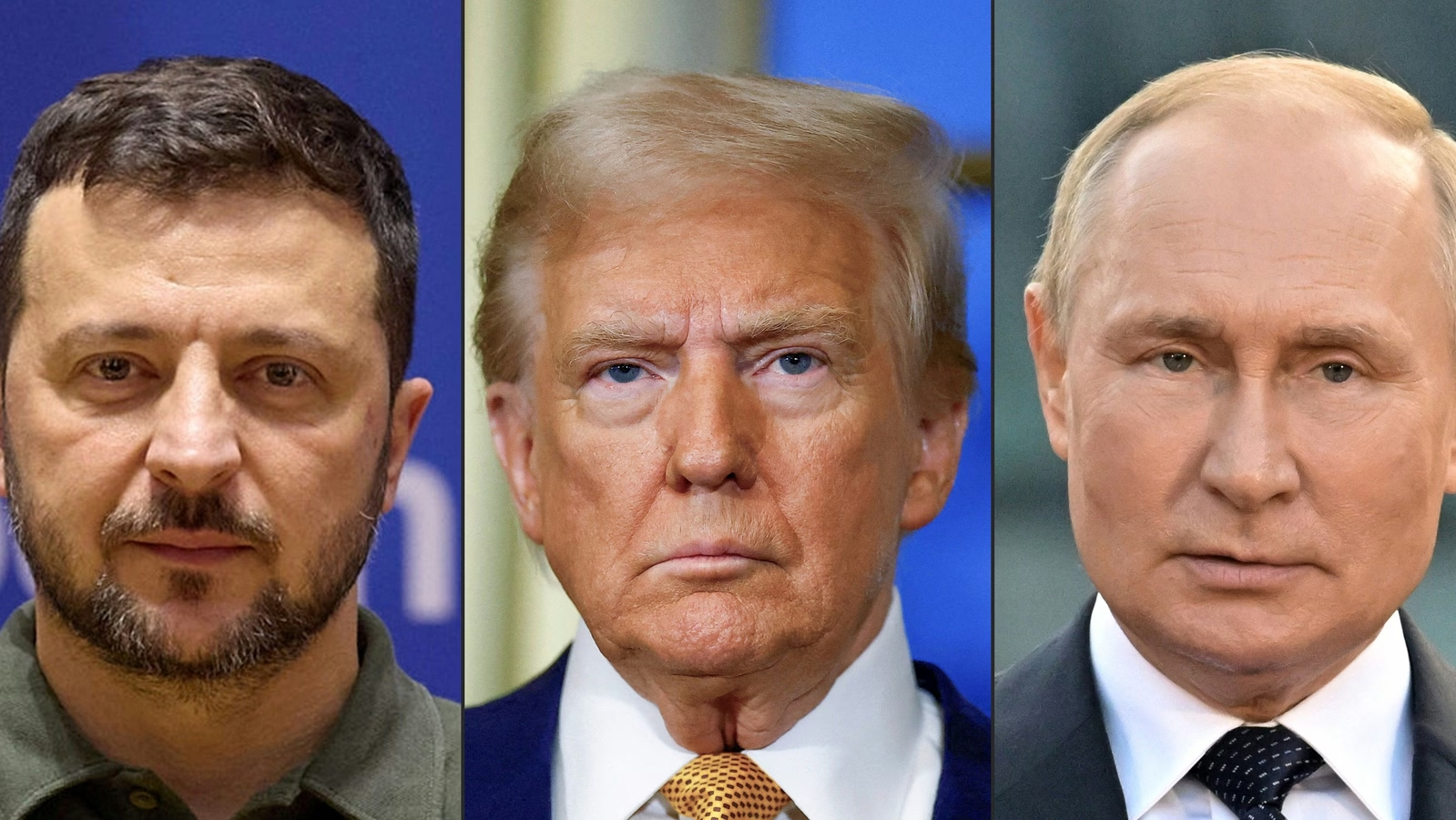
The international scene remains tense and complex as world powers continue to navigate the ongoing Ukraine conflict, US-Russia diplomatic tensions, and emerging possibilities of high-stakes summits. Among these developments, recent reports suggest that Ukraine’s President Volodymyr Zelensky might soon receive an unprecedented invitation to attend a potential Trump-Putin summit. This possible diplomatic move has triggered a flurry of discussions around the global geopolitical chessboard, with many pondering the implications for regional stability and international diplomacy.
The White House’s Deliberation
According to recent reports from Hindustan Times, the White House is actively considering whether to extend an invitation to Zelensky for the upcoming summit between former US President Donald Trump and Russian President Vladimir Putin. This move signifies a notable shift in diplomatic strategy, hinting at a possible attempt to mediate or influence negotiations regarding Ukraine and broader Russia-West relations.
What makes this development particularly significant is the context: Israel’s role in Ukraine, the US-Russia tensions, and the broader international discourse. The White House appears to be weighing the potential benefits of such a summit, including easing tensions and possibly fostering dialogue about Ukraine’s future and regional stability. This decision arrives amid a backdrop where NATO allies and European powers are grappling with the escalation of conflict and the need for diplomatic engagement.
Implications of a Zelensky Inclusion in the Summit
If Zelensky were to be invited, it would mark a pivotal moment in the ongoing Ukraine crisis and could reshape the diplomatic dynamics in this conflict. Here are some of the key implications:
- Legitimization of Zelensky’s diplomatic role: An invitation to sit at such an influential table would underscore Ukraine’s importance as a key stakeholder in the conflict and affirm President Zelensky’s leadership on the international stage.
- Potential negotiations for a peace settlement: High-profile summits often serve as catalysts for negotiations. Zelensky’s presence could facilitate direct dialogue with Putin and possibly open pathways toward ceasefire or peace agreements.
- Shifting alliances and responses: International players, including NATO and neighboring countries, would closely monitor Zelensky’s involvement, which could influence their strategic decisions and diplomatic postures.
- Risks of diplomatic setbacks: The inclusion of Zelensky might also escalate tensions with Russia if not managed carefully, especially considering Moscow’s previous stance against Ukraine’s integration into Western institutions and its objections to such diplomatic overtures.
Reactions from Global Stakeholders
The possibility of Zelensky being invited to this high-profile summit has elicited reactions from various international actors. Some countries see this as a move towards diplomacy and conflict resolution, while others warn against premature diplomatic engagements that might undermine ongoing negotiations or escalate tensions.
India’s stance exemplifies a balanced approach; India has endorsed the US-Russia summit in Alaska and has called for diplomatic dialogues aimed at ending the Ukraine conflict. As per NDTV, India’s position emphasizes the importance of dialogue and diplomacy over confrontation.
Meanwhile, Russia’s President Vladimir Putin has shown a complex stance regarding negotiations. In a recent WSJ report, Putin indicated that he is willing to halt the war in exchange for concessions. However, the details remain ambiguous, and Moscow’s strategic interests continue to weigh heavily in its decisions.
On the other hand, U.S. officials remain cautious, with some indicating that any formal invitation or participation depends on the evolving nature of the conflict, Russia’s responses, and Zelensky’s own diplomatic commitments.
Russia-Ukraine Dynamics and the Prospect of a Summit
The geopolitics of Ukraine are central to this developing story. Recent reports, including from The Wall Street Journal, highlight Putin’s willingness to halt the war for territorial concessions in Eastern Ukraine. Such statements suggest a possible opening for diplomatic negotiations, though conditions and trust deficits pose major hurdles.
- Moscow’s recent warnings about disrupting any proposed Putin-Trump meeting highlight the tensions and the high stakes involved in such diplomatic endeavors. Moscow emphasizes the titanic efforts it envisions to prevent certain summits from occurring amid accusations of foreign interference.
- Ukraine’s resilience and Zelensky’s leadership continue to be vital in shaping the diplomatic landscape, with Kyiv insisting on sovereignty and territorial integrity despite mounting pressure for negotiations.
Historical Context and Future Trajectory
Historically, summits involving US, Russia, and Ukraine have been rare and often fraught with controversy. The recent geopolitical climate, featuring growing US-Russia distrust, ongoing conflicts in Ukraine, and regional alliances, makes any summit a potential turning point or a gamble.
As global powers evaluate these opportunities, the importance of timing becomes critical. Diplomatic efforts are often influenced by internal political considerations, international pressure, and the need to maintain strategic balances. If Zelensky is indeed invited, it could herald a new phase in Ukraine’s diplomatic journey, possibly paving the way for negotiations that had previously seemed unattainable.
Conclusion: A Delicate Diplomatic Dance
In summary, the possibility of Ukraine’s Zelensky receiving an invitation to the Trump-Putin summit marks a significant development in the ongoing efforts to address the Ukraine crisis and stabilize regional tensions. The White House’s deliberations reflect a cautious approach, weighing the potential benefits against the inherent risks of such high-level diplomacy.
This evolving situation warrants close international attention, as its outcomes could influence not only Ukraine’s future but also the broader geopolitical stability. As discussions continue behind closed doors and diplomatic channels, the world watches with bated breath to see if diplomacy will triumph over conflict, fostering a pathway toward peace in one of the most volatile regions today.
Ultimately, only time will tell whether such diplomatic initiatives will bear fruit or lead to further complications. The stakes are high, and the role of global leaders, including Zelensky, Putin, Trump, and their allies, remains more critical than ever in shaping the future of international relations.
For more updated news please keep visiting Hourly Prime News.