

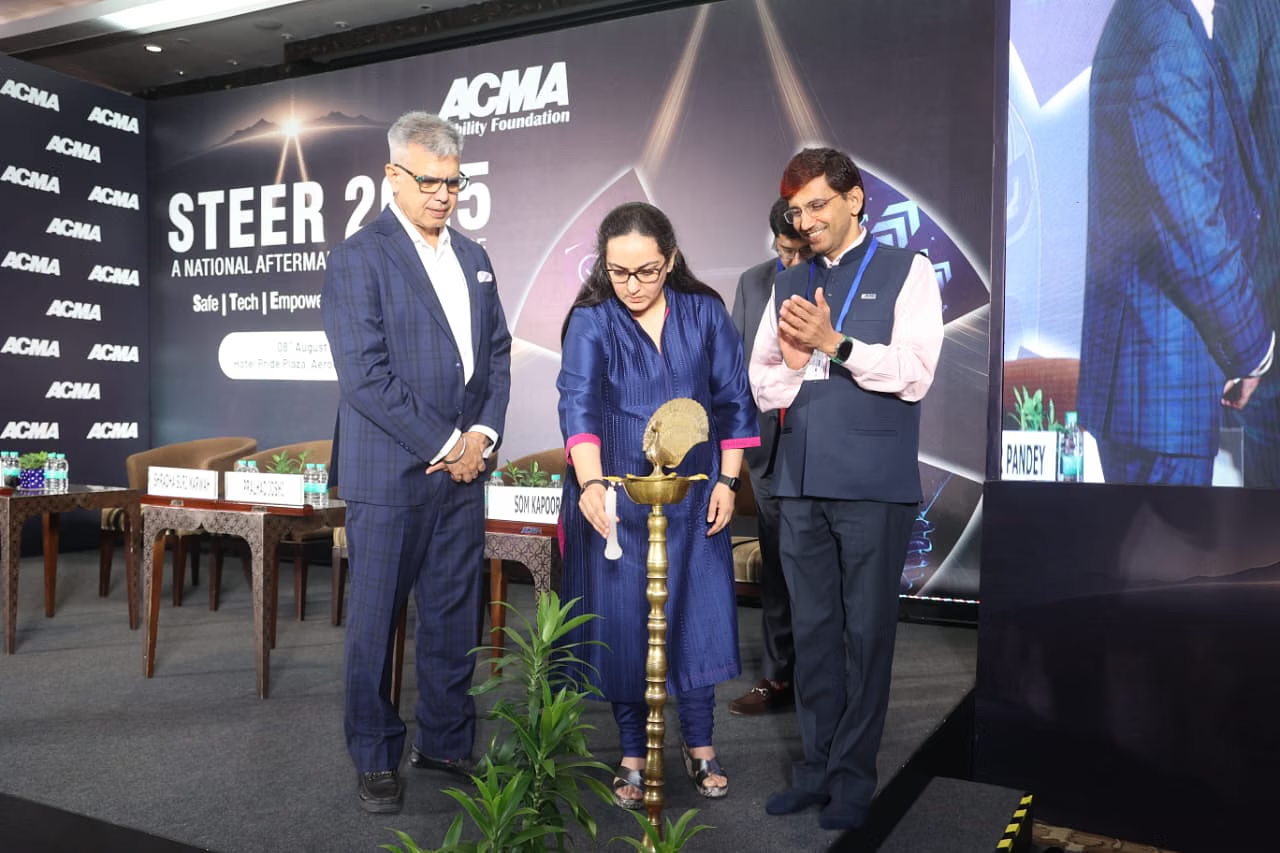
The automotive industry is on the cusp of a transformative era, driven by rapid technological advancements, evolving consumer preferences, and a growing emphasis on sustainability. Recognizing these dynamic shifts, the Automotive Component Manufacturers Association (Acma) recently made a significant announcement—hosting the inaugural edition of Steer 2025, a pioneering event aimed at shaping the future of the automotive aftermarket sector. This landmark gathering not only highlights emerging trends and innovative technologies but also sets the stage for industry stakeholders to collaboratively navigate the road ahead.
Understanding the Significance of Steer 2025
Steer 2025 emerged as a strategic initiative by Acma to foster innovation, knowledge sharing, and industry collaboration within the automotive aftermarket. This first edition served as a comprehensive platform where industry leaders, OEMs, part manufacturers, technology providers, and policymakers converged to discuss critical issues and explore lucrative opportunities in the fast-evolving landscape of automotive components and services.
The event’s core objective was to anticipate future challenges, harness emerging technologies, and promote sustainable growth strategies that align with global industry standards. By doing so, Acma aims to strengthen the domestic automotive aftermarket, enhance competitiveness, and ensure Indian manufacturers stay ahead in the global value chain.
Key Highlights of Steer 2025
Innovation and Technology Integration
One of the pivotal themes of Steer 2025 was technological innovation. Industry experts emphasized that digital transformation, automation, and IoT-enabled solutions are revolutionizing how automotive parts are developed, manufactured, and serviced. The event underscored the importance of adopting Industry 4.0 practices to improve efficiency, reduce costs, and enhance product quality.
Focus on Sustainability
Sustainable manufacturing and eco-friendly practices took center stage during the discussions. With the global push towards greener mobility, aftermarket players are encouraged to explore alternative materials, recycling mechanisms, and energy-efficient processes. The event also highlighted the potential of electric vehicles (EVs) and the need to develop aftermarket solutions that cater to EV components, charging infrastructure, and battery management systems.
Skill Development & Workforce Readiness
Recognizing that technological evolution demands a skilled workforce, Steer 2025 emphasized the significance of upskilling technicians, engineers, and workers. Initiatives for training programs, knowledge transfer, and industry-academic collaborations were showcased as vital components to ensure the industry’s sustainable growth.
The Drive Towards Digitalization in the Automotive Aftermarket
The digitization wave is reshaping the aftermarket landscape, and Steer 2025 highlighted this trend as a critical driver for future success. Digital tools such as e-commerce platforms, advanced diagnostics, and data analytics are enabling quicker parts sourcing, predictive maintenance, and enhanced customer experience.
For instance, virtual reality (VR) and augmented reality (AR) are becoming instrumental in technician training and troubleshooting, reducing downtime, and improving repair accuracy. Automation in warehouses and logistics is also streamlining supply chains, minimizing delays, and reducing overhead costs.
Collaborative Ecosystems: A Key to Future Growth
Steer 2025 underscored that fostering collaborative ecosystems among OEMs, suppliers, technology firms, and service providers is essential to build resilient and innovative supply chains. Through partnerships, data sharing, and joint R&D efforts, stakeholders can co-create solutions that address future mobility challenges, including electrification, connectivity, and autonomous vehicles.
Such collaborations are expected to accelerate the adoption of next-generation automotive technologies, foster innovation hubs, and create a resilient industry capable of adapting to global disruptions.
Government Policies and Industry Frameworks
The event also provided insights into evolving regulatory frameworks and government initiatives supporting the automotive aftermarket. Policies aimed at incentivizing green manufacturing, promoting EV adoption, and easing import-export regulations are expected to catalyze industry growth. Additionally, the push for Make in India initiatives will further bolster domestic manufacturing capabilities and reduce reliance on imports.
Innovations in Product Development and Service Offerings
Innovation is not limited to manufacturing but extends deeply into service offerings. Today’s consumers demand personalized, connected, and sustainable solutions. Steer 2025 showcased several innovative developments:
- Smart aftermarket parts with embedded sensors for real-time condition monitoring
- Predictive maintenance systems using AI and data analytics
- Customized accessories and upgrades driven by consumer preferences and smart technology integrations
These technological advancements are creating new revenue streams for aftermarket players and enhancing customer satisfaction and loyalty.
Entrepreneurial Opportunities & Future Outlook
The automotive aftermarket industry is rich with entrepreneurial opportunities, from niche parts manufacturing to digital platform development. The insights shared at Steer 2025 suggest that startups and small-to-medium enterprises (SMEs) can leverage innovation and strategic partnerships to carve out competitive niches.
Looking ahead, the industry’s trajectory is set towards a future where digital, sustainable, and intelligent solutions dominate. The industry’s future will also be characterized by:
- Increased adoption of electric and hybrid vehicle aftermarket solutions
- Growth in connected vehicle technology and telematics
- Expansion of green and sustainable manufacturing practices
- Enhanced customer engagement through digital channels
Conclusion
The first edition of Steer 2025 by Acma marks a decisive step toward shaping a resilient, innovative, and sustainable automotive aftermarket industry in India. By fostering collaboration, embracing technology, and prioritizing sustainability, industry stakeholders are better equipped to navigate future challenges and capitalize on emerging opportunities.
This pioneering event underscores the importance of continuous innovation, policy support, and skill development to ensure India remains competitive in the global automotive landscape. As the industry steers towards 2025 and beyond, the insights garnered from Steer 2025 will serve as a valuable compass guiding the growth trajectory of the automotive aftermarket sector.
Future industry developments will undoubtedly revolve around the themes of electrification, connectivity, and digitization—cornerstones that will define the future of automotive maintenance, repair, and component manufacturing. Stakeholders are encouraged to stay committed to innovation, sustainability, and collaboration to unlock the full potential of this vibrant industry.
For more updated news please keep visiting Hourly Prime News.