

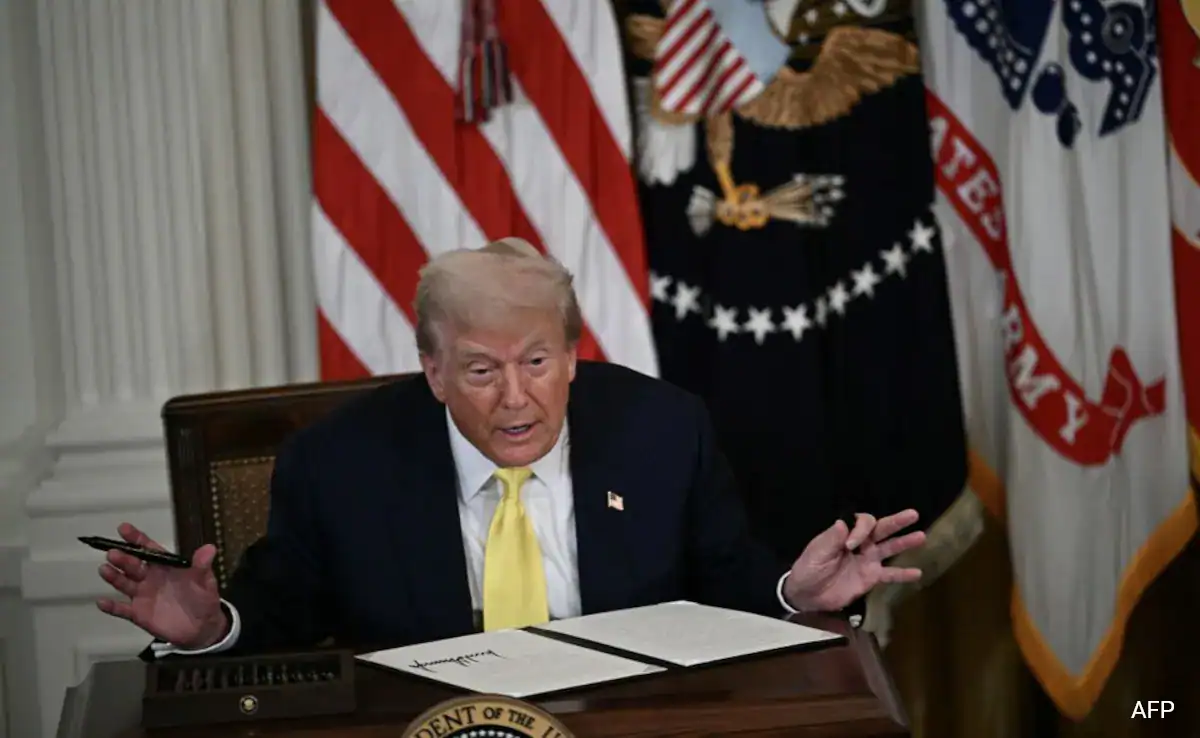
In recent years, the global economic landscape has been significantly influenced by escalating trade tensions, with the United States taking a central role under the administration of Donald Trump. His administration’s implementation of aggressive tariffs, including a proposed 50% penalty tariff on certain imports, has sent shockwaves through international markets. While these measures primarily targeted China and other major economies, their ripple effects are being felt far beyond, particularly impacting emerging economies like India. As a nation striving to bolster its manufacturing sector and achieve significant GDP growth, India now faces a new set of challenges posed by these growing trade barriers.
Understanding the Scenario: Trump’s Tariffs and Global Implications
The 50% Tariffs: A Game-Changer in International Trade
Donald Trump’s threat to impose tariffs as high as 50% on specific Chinese goods was a strategic move aimed at countering perceived unfair trade practices. However, such high tariffs are not isolated tactics; they influence the entire global supply chain. Countries involved in trade with the U.S. and China face increased costs, disrupted supply chains, and heightened economic uncertainty. According to Moody’s, these tariffs threaten to destabilize global trade patterns.
The Impact on India’s Manufacturing Sector
Challenges Faced Due to Tariffs
India, as an emerging manufacturing hub, finds itself caught in the crossfire of these trade wars. The country’s manufacturing goals—such as increasing exports, attracting foreign investment, and boosting domestic production—are now under threat due to the unpredictability caused by these tariffs. The primary challenges include:
- Rising Costs of Imports: Tariffs increase the price of raw materials and intermediate goods imported from countries like China and the US, which are crucial for India’s manufacturing supply chain.
- Disrupted Supply Chains: With tariffs altering trade flows, manufacturers face delays, increased logistical costs, and supply shortages.
- Decreased Competitiveness: Higher input costs diminish India’s competitiveness in global markets, potentially leading to reduced exports.
- Foreign Investment Uncertainty: Trade tensions make investors wary, leading to reduced foreign direct investment (FDI) in the manufacturing sector.
Economic Outlook and Growth Forecasts
According to recent reports, notably from , these tariffs could slow India’s GDP growth and hamper its manufacturing ambitions.
Strategic Responses and Opportunities for India
Policy Measures and Industry Adaptations
To counteract the adverse effects of these global trade tensions, India must adapt through a combination of strategic policy measures and industry adaptations. Some key responses include:
- Enhancing Domestic Production: Focus on Make in India initiatives to reduce dependency on imports, especially for raw materials and intermediate goods.
- Trade Diversification: Seek new markets and diversify supply chains to mitigate risks associated with China-US trade disputes.
- Investment in Technology: Emphasize automation and innovative manufacturing processes to improve efficiency and reduce costs.
- Negotiating Trade Agreements: Engage in bilateral and multilateral trade negotiations to secure favorable terms and safeguard India’s interests.
Harnessing International Opportunities
Despite the challenges, there are opportunities for India to position itself as a resilient manufacturing hub:
- Attracting Foreign Investment: Offering incentives and creating a favorable environment for FDI can attract companies seeking alternative manufacturing bases.
- Developing Export Capabilities: Improving infrastructure, logistics, and quality standards to boost exports in sectors like electronics, pharmaceuticals, and textiles.
- Strengthening Supply Chain Resilience: Building localized supply chains to reduce vulnerability to global trade fluctuations.
Conclusion: Navigating a Complex Trade Environment
As the world grapples with the realities of rising tariffs and trade tensions, India’s manufacturing sector stands at a crossroads. While the threat of a 50% tariffs by the U.S. on Chinese goods presents formidable challenges, it also opens avenues for strategic growth and transformation. The country’s policymakers and industry leaders must work together to implement resilient strategies, foster innovation, and capitalize on emerging opportunities. Ultimately, India’s ability to adapt to these turbulent trade winds will determine its trajectory toward achieving robust manufacturing growth and economic stability in the coming years.
For more updated news please keep visiting Hourly Prime News.