

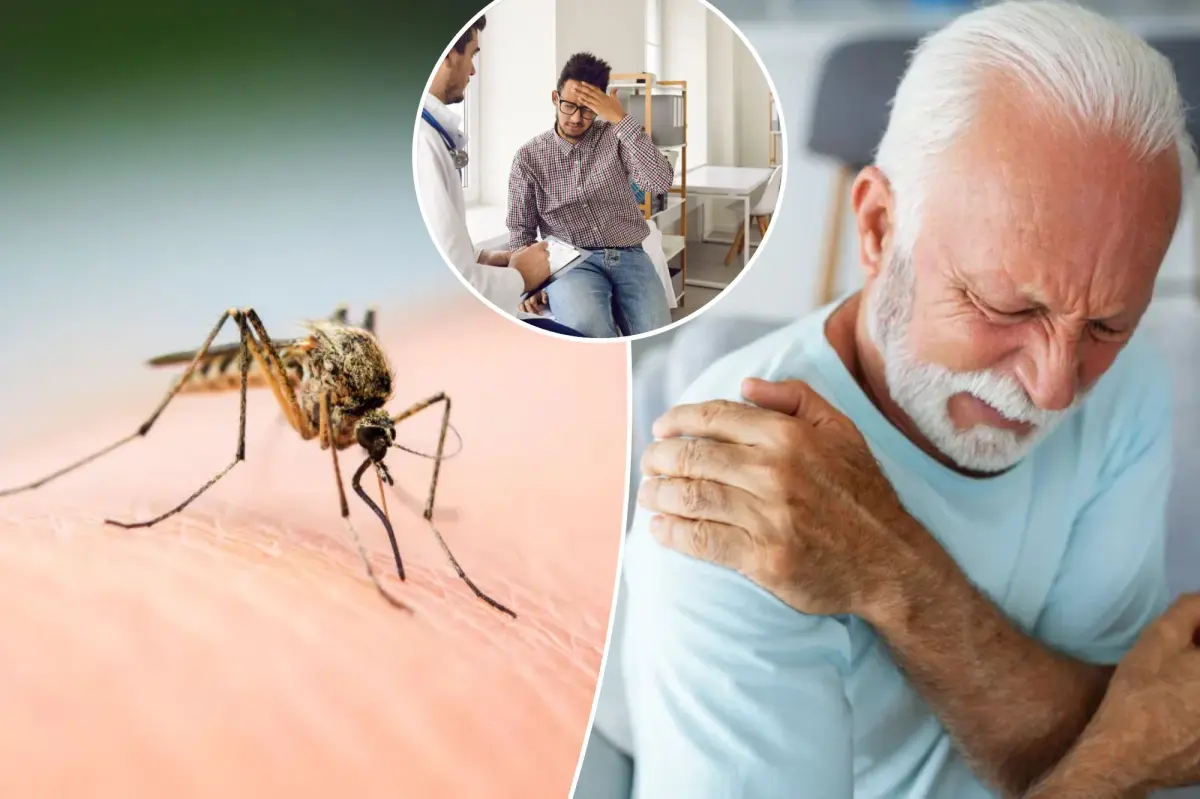
Chikungunya virus (pronounced “chik-en-gun-ya”) is an arthropod-borne virus, primarily transmitted to humans through the bites of infected mosquitoes, particularly Aedes aegypti and Aedes albopictus. First identified in Africa in the 1950s, this virus has been responsible for numerous outbreaks across Asia, Africa, and the Indian subcontinent. Its symptoms typically include fever, severe joint pain, rash, muscle pain, and fatigue. Although rarely deadly, chikungunya can cause chronic joint issues that last for months or even years, significantly impacting quality of life.
Current Global Trends and the Possibility of Spread to the US
As globalization accelerates, infectious diseases such as chikungunya are increasingly crossing geographical boundaries. The recent reports indicate that the virus has made its way into parts of the Caribbean, Central America, and even some regions of South America. These areas have seen local transmission, raising concerns among health officials about the potential arrival of the virus in the United States.
The primary concern is the presence of suitable mosquito vectors within the US, especially in warm and humid southern states like Texas, Florida, and Louisiana. These states’ climate and urban environments provide an ideal breeding ground for Aedes aegypti and Aedes albopictus. If infected travelers arrive from endemic regions, there exists a risk of local transmission if these mosquitoes bite infected individuals and then transmit the virus to others.
How Likely Is Spread Within the United States?
While there is no current widespread outbreak in the US, the risk of chikungunya spreading locally depends on several factors:
- Presence of competent mosquito vectors: The US has established populations of Aedes mosquitoes capable of transmitting the virus.
- Travelers from endemic areas: Increased travel between affected regions and the US raises the chance of importing cases.
- Climate conditions: Warmer temperatures and increased rainfall can facilitate mosquito breeding and virus transmission.
The Centers for Disease Control and Prevention (CDC) actively monitors this threat, and, so far, most cases identified in the US have been travel-associated. Local transmission is rare but remains a possibility, particularly in regions with dense mosquito populations and favorable environmental conditions.
Prevention and Preparedness Measures
What Can Americans Do to Protect Themselves?
- Avoid mosquito bites: Use EPA-approved insect repellents, wear long sleeves and pants, and stay indoors during peak mosquito activity hours (early morning and dusk).
- Eliminate mosquito breeding sites: Remove standing water from containers, gutters, and old tires around homes.
- Stay informed: Follow updates from public health authorities on current risks and outbreaks.
Government and Community Actions
Local health departments are increasing mosquito surveillance and control programs to reduce mosquito populations. Public education campaigns are promoting awareness about chikungunya and preventive practices. Screening at airports and health facilities is also crucial in identifying imported cases early, preventing local transmission.
Symptoms, Diagnosis, and Treatment
Being aware of the symptoms can facilitate prompt diagnosis and management:
- Common symptoms include: Fever, joint pain, rash, muscle aches, and headache.
- In some cases: Mild symptoms or asymptomatic infections may occur, especially in children or immunocompromised individuals.
Diagnosis is typically confirmed through blood tests detecting the virus or antibodies. Currently, there is no specific antiviral treatment for chikungunya—management focuses on alleviating symptoms with rest, hydration, and medications such as acetaminophen for pain relief. Severe or prolonged cases may require medical attention, especially for joint complications.
The Future Outlook: Is Chikungunya a Threat to the US?
Considering climate change, global travel, and the adaptability of mosquito vectors, the risk of chikungunya establishing itself within the US increases. Experts emphasize that continuous mosquito surveillance, public education, and prompt response to imported cases are essential to prevent widespread transmission.
Decades ago, diseases like Zika and dengue showed us how quickly mosquito-borne illnesses can spread across borders, especially when conditions favor vector proliferation. Therefore, while the current threat might be contained, complacency isn’t an option. Vigilant monitoring and proactive measures are critical to protecting American public health.
Conclusion: Staying Prepared and Informed
Understanding the risks associated with chikungunya and how it could potentially reach the US is vital for every American. By staying informed, practicing preventive measures, and supporting public health initiatives, citizens can reduce their risk of infection and help contain the spread. Healthcare providers should also remain vigilant, especially when treating patients with recent travel histories from affected regions.
While there is currently no widespread outbreak in the United States, the potential for the chikungunya virus to reach and spread within the country remains a real concern. Preparedness, awareness, and community cooperation will be the keys to mitigating this threat effectively.
For more updated news please keep visiting Hourly Prime News.