

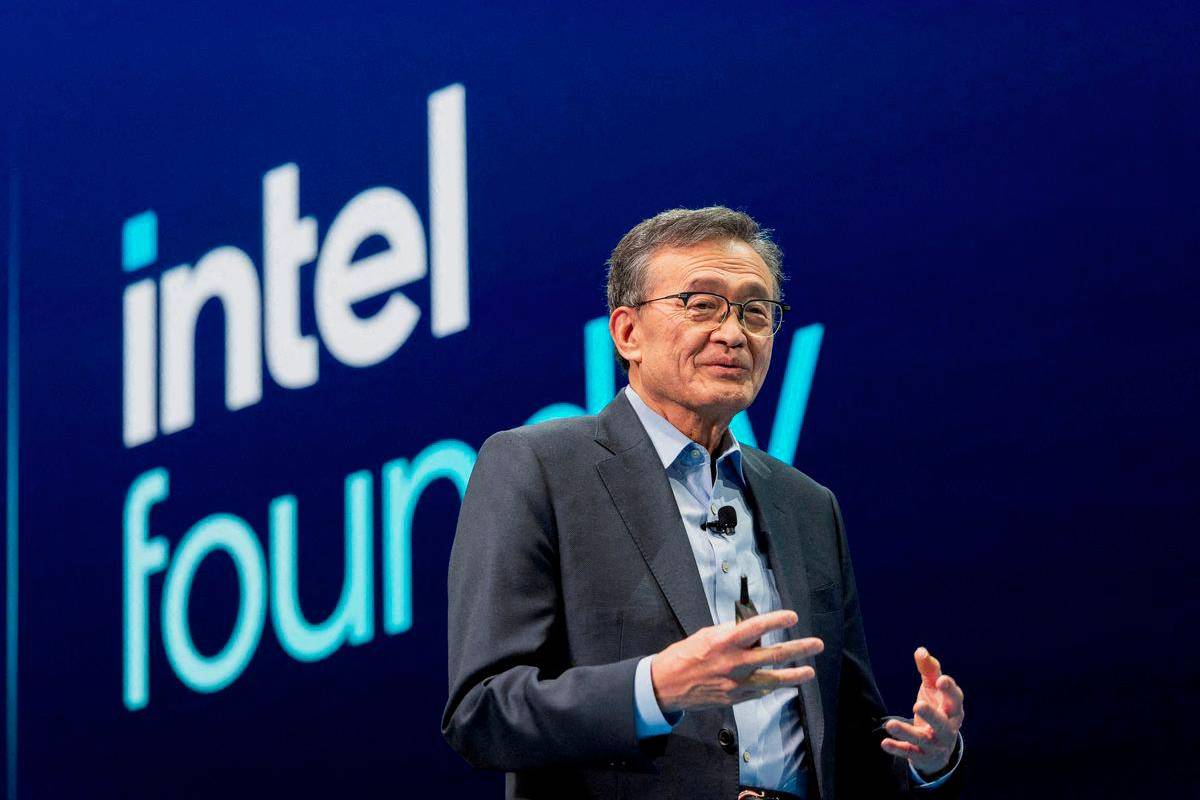
The corporate world often finds itself at the crossroads of politics and economics, especially when influential figures like the President of the United States publicly call for leadership changes in major corporations. Recently, Intel CEO has taken a notable step by engaging directly with the US administration amidst rising political pressure, particularly fueled by demands from former President Donald Trump for the resignation of certain executives. This evolving situation underscores the complex relationship between government directives and corporate leadership, highlighting the delicate balance companies must maintain in times of political turbulence.
Background: The Political Climate and Intel’s Position
The political landscape in the United States has become increasingly charged, with significant attention on corporate governance, national security, and economic stability. Amidst this environment, former President Donald Trump’s public calls for resignation of corporate executives—particularly those in key technology firms—have stirred controversy and led to intense discussions about the role of business leaders in national affairs.
In this context, Intel—a global leader in semiconductor manufacturing—found itself under scrutiny. While the company maintains a stance of neutrality in the political arena, its leadership recognized the importance of maintaining a constructive dialogue with policymakers to ensure operational stability and continued innovation.
Intel CEO’s Response: Working with the US Administration
According to a recent report from Intel’s CEO has publicly stated that he is actively collaborating with the US government to clarify the company’s position and address any concerns stemming from political demands. This move indicates a strategic effort to reinforce Intel’s commitment to national interests while safeguarding its corporate integrity.
The Significance of Leadership in Turbulent Times
Why is this engagement important?
- Maintaining Stability: In times of political pressure, leadership engagement helps maintain stability within the company, reassuring employees, investors, and global partners.
- Addressing Policy Concerns: It provides an opportunity for corporate leaders to clarify their positions on government policies that might impact business operations.
- Enhancing Public Trust: Transparent communication with authorities fosters public trust, emphasizing that companies like Intel are committed to national interests and responsible governance.
Implications for the Tech Industry and Beyond
This situation with Intel is a microcosm of larger trends affecting the tech industry and corporate America as a whole. It raises critical questions about:
- Corporate-Public Sector Relations: How can companies effectively navigate government expectations while maintaining independence?
- Leadership Responsibility: What is the role of CEOs and executives when political figures make direct demands?
- Security and Innovation: How do political pressures influence innovation, especially in sectors that are vital to national security, such as semiconductors?
Historical Context and Future Outlook
Historically, corporate leaders have often had to balance their operational objectives with political directives. The recent demands from Trump and the subsequent responses from CEOs like that of Intel mark a new chapter in this ongoing dynamic. Moving forward, corporations may need to develop more sophisticated strategies for political engagement, ensuring their interests align with national priorities without compromising their core mission.
Moreover, this engagement could shape future policies on technology, security, and corporate governance, emphasizing the importance of dialogue and cooperation between government officials and industry leaders.
Key Takeaways
- Political pressures on corporations can significantly affect their strategic decisions and public image.
- Leadership transparency and proactive engagement are crucial in navigating such pressures.
- Balancing corporate independence with government relations requires careful planning and clear communication strategies.
- Intel’s response exemplifies a broader trend of companies aligning themselves with national interests while safeguarding their operational integrity.
Conclusion
The ongoing dialogue between Intel’s CEO and the US government highlights the increasingly intertwined nature of corporate leadership and political influence. As the political climate remains volatile, companies will need to adapt by fostering open lines of communication with policymakers, emphasizing transparency, and reaffirming their commitment to national stability and technological advancement.
In this environment, the actions of leadership will continue to be scrutinized, and their ability to effectively engage with government entities could determine their long-term success and the stability of the broader tech ecosystem.
For more updated news please keep visiting Hourly Prime News.