

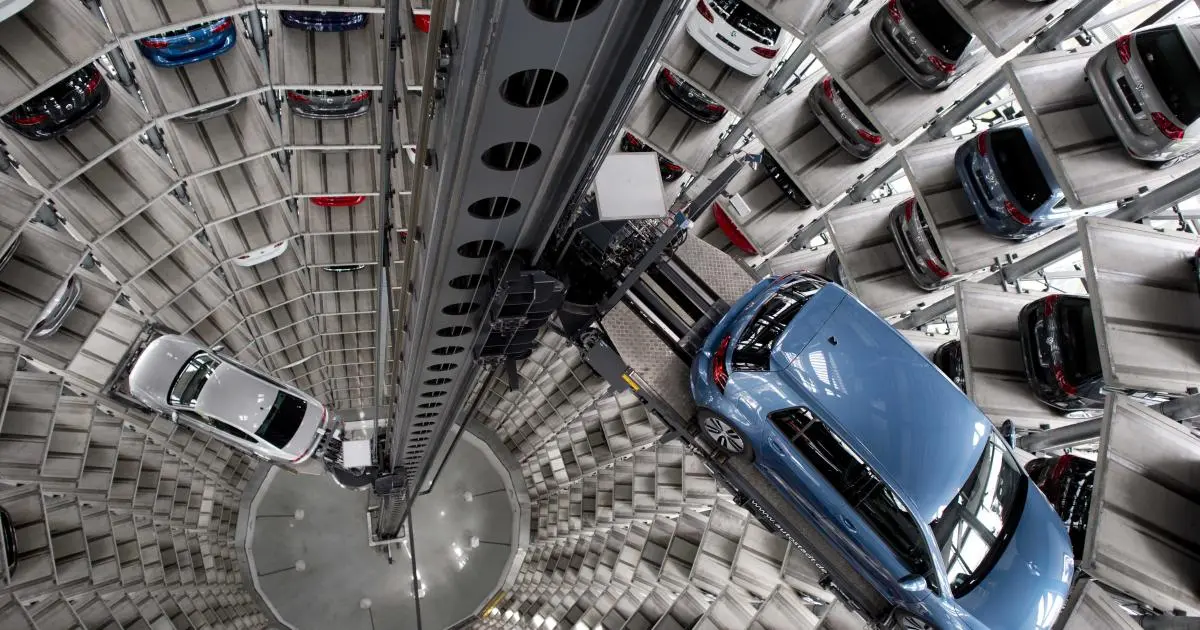
The automotive car industry, which has served as a backbone of global economies for over a century, finds itself at a pivotal and perilous crossroads. Recent warnings from industry insiders highlight a troubling trend: a surge in automotive company closures and the imminent threat of widespread bankruptcies. As technological disruptions, economic upheavals, and changes in consumer behavior converge, experts warn that the once-thriving car industry could face a future marked by mass closures and job losses.
The Magnitude of the Crisis
The automotive sector’s current struggles are unprecedented. As per an Car companies will go out of business, auto industry COO predicts, the severity of the current situation is clear. The industry leader’s candid forecast underscores a looming crisis that threatens the livelihoods of thousands, with many companies already feeling the heat of declining sales, mounting debts, and operational challenges.
Key Factors Behind the Industry’s Decline
1. Supply Chain Disruptions
The global supply chain, severely impacted by recent geopolitical tensions and the COVID-19 pandemic, has caused significant delays in manufacturing processes. Critical components such as semiconductors have seen shortages, leading to factory shutdowns and reduced vehicle production. This has severely constrained the supply of new cars, increased costs, and diminished profit margins.
2. Slowing Consumer Demand
Consumers worldwide are exhibiting signs of hesitancy, driven by economic uncertainties, inflation, and changing priorities. The desire for new vehicles has waned, and customers increasingly favor used cars or alternative transportation modes like ride-sharing and public transit. This shift has resulted in declining sales figures for traditional automakers.
3. Electric Vehicle Transition Challenges
The push toward electric vehicles (EVs) has been a dual-edged sword for the industry. While EVs promise sustainability and future growth, the transition involves considerable investments in new technology, infrastructure, and manufacturing facilities. Not all companies can bear the financial strain, risking shuttering of less adaptable or underfunded firms.
4. Economic Uncertainty and International Trade Issues
Unpredictable economic conditions, including inflation and currency fluctuations, complicate international trade. Tariffs, trade restrictions, and rising labor costs further strain automakers’ margins, making it difficult to sustain operations or plan for the future.
Expert Predictions and Industry Outlook
The insights from industry COO and market analysts paint a bleak picture. According to MSN, a leading news source, the prognosis suggests that many car manufacturers are on the verge of closure. This warning is not hypothetical; several companies are already experiencing financial distress, and many more are at risk of following suit if current conditions persist.
The Human Cost: Jobs and Communities
The potential shutdown of automotive plants will have far-reaching consequences beyond the companies themselves. Thousands of workers employed in manufacturing, sales, and support services face layoffs, which can ripple through local economies. Communities dependent on auto plants could see economic decline, increased unemployment, and social instability.
Potential Solutions and Industry Responses
Despite grim forecasts, industry stakeholders are exploring various strategies to weather the storm:
- Innovation and Diversification: Investing in new technologies like autonomous driving, EV charging networks, and alternate mobility solutions.
- Government Support: Advocating for policies, subsidies, and incentives aimed at stabilizing the industry during transitional phases.
- Restructuring Business Models: Automakers are reconsidering their product lines, focusing more on niche markets, and consolidating operations to reduce costs.
- Accelerated Adoption of EVs: While costly upfront, a faster EV rollout may position some companies better for a sustainable future.
The Road Ahead: Risks and Opportunities
While the prospects seem bleak, challenges also create opportunities for innovation and strategic realignment. Tech-centric companies and startups could fill the void left by traditional automakers. Moreover, embracing sustainable transportation and new mobility solutions may redefine the industry landscape.
Conclusion: Navigating Uncertainty
In summary, the automotive industry is facing an existential crisis driven by structural disruptions, economic pressures, and technological transitions. Experts caution that without decisive action and adaptive strategies, many companies may not survive the coming years. The landscape of car manufacturing is set to evolve dramatically, with some firms possibly disappearing altogether.
Nevertheless, resilience and innovation remain key. Industry leaders who embrace change and invest wisely in future technologies might find new pathways to success amidst the chaos.
For more updated news please keep visiting Hourly Prime News.