

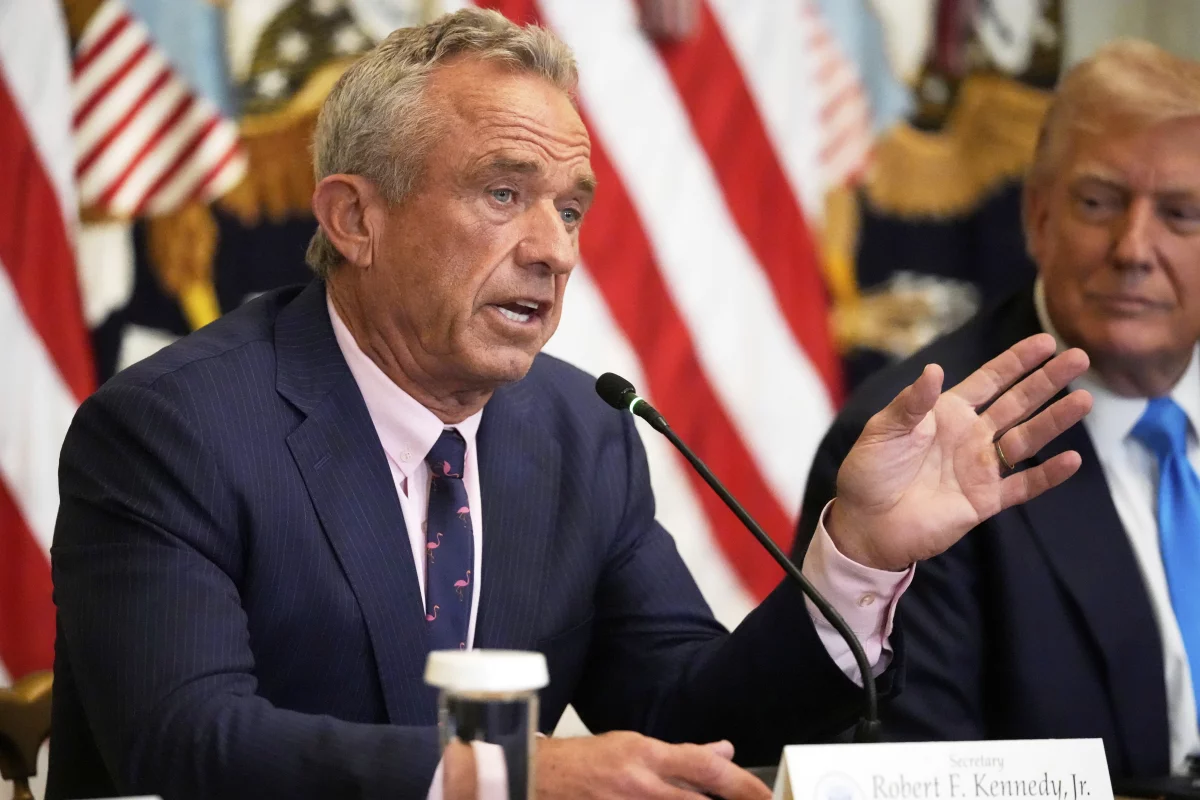
In recent news, a significant shift has taken place in the landscape of the United States’ public health initiatives. Robert F. Kennedy Jr. (RFK Jr.), a well-known figure advocating for transparency in vaccine policies, announced that the US government is officially scrapping approximately $500 million worth of vaccine projects. This decision has sparked widespread debate across political, scientific, and public spheres, prompting questions about the future of vaccine research and development in the country.
Understanding the Context of Vaccine Funding and Development
Before diving into the implications of this decision, it is essential to understand the framework of vaccine funding and development in the United States. Historically, the government, through agencies such as the National Institutes of Health (NIH) and the Department of Health and Human Services (HHS), has invested billions in vaccine research. These investments aim to combat existing infectious diseases, prepare for emerging pathogens, and promote public health security.
During the COVID-19 pandemic, the US accelerated vaccine development with substantial financial support. This rapid response involved large-scale investments, partnerships with private pharmaceutical companies, and extensive clinical trials. However, with the pandemic waning, there has been ongoing scrutiny over the continuation of large-scale vaccine projects, especially those perceived as controversial or lacking consensus among scientists and the public.
Details of RFK Jr.’s Announcement
According to reports covered by Sky News, RFK Jr. announced that the US government has decided to cancel approximately $500 million in vaccine projects. While specific projects were not disclosed in detail, the move is seen as a significant shift from previous policies aimed at expanding vaccine research and deployment.
RFK Jr., a prominent critic of certain vaccine policies, has questioned some ongoing projects, citing concerns about safety, transparency, and the influence of big pharmaceutical corporations. His advocacy highlights a growing movement that calls for more rigorous scientific oversight, open public discussions, and alternative approaches to vaccine development.
Key Points from RFK Jr.’s Statement
- The US government is **canceling funding on certain vaccine projects** worth about $500 million.
- This move is part of a broader effort to **reevaluate vaccine strategies** and address concerns about transparency and safety.
- RFK Jr. emphasizes the need for **independent scientific review** and caution against rushing vaccines without sufficient long-term data.
- The cancellation may **affect ongoing vaccine trials** and the future pipeline for vaccine development.
Implications of the Cancellation
The decision to cancel such a significant amount of vaccine funding possesses multifaceted implications. They can be broadly categorized into public health, scientific research, political influence, and industry dynamics.
Impact on Public Health
The immediate concern among public health officials and experts is the potential delay in developing new vaccines for emerging infectious diseases. If funding is reduced or projects are halted, it could slow down the availability of innovative vaccines that are crucial for combating future outbreaks.
Furthermore, some critics argue that halting projects might impede efforts to address vaccine hesitancy by fostering transparency and public trust. Conversely, supporters of RFK Jr. see the move as a step towards more cautious and transparent vaccine policymaking.
Effects on Scientific Research
From a scientific perspective, this cancellation might **limit exploratory research** that could lead to breakthrough vaccines or alternative therapeutic approaches. Vaccine development is inherently innovative and often requires sustained investment over many years.
Moreover, the transition may encourage researchers to seek **independent funding sources** or pivot toward other scientific domains, potentially impacting the broader vaccine research ecosystem.
Political and Industry Influence
The announcement underscores the influence that political figures like RFK Jr. wield in shaping health policy debates. It also exposes the tension between government agencies and private corporations involved in vaccine manufacturing.
Some critics allege that large pharmaceutical companies have significant influence over vaccine policies, which raises questions about transparency and conflicts of interest. RFK Jr.’s stance seems to advocate for a shift away from industry-led initiatives toward more independent oversight.
Public Reaction and Controversies
The announcement has elicited mixed reactions. Supporters argue that this move aligns with a call for greater safety, transparency, and alternative approaches in vaccine management. They believe it could pave the way for more accountable health policies and combat skepticism rooted in perceived undue corporate influence.
On the other hand, many health authorities and scientific experts express concern that such cancellations might undermine efforts to control infectious diseases. They warn that abrupt funding cuts could result in setbacks and missed opportunities, especially in the fight against resistant strains and newly emerging pathogens.
Noteworthy Perspectives
- Many grassroots organizations and vaccine safety advocates see this as a positive step toward safer, more transparent vaccine development.
- Some mainstream medical professionals emphasize the importance of sustained investment and warn against policy decisions that could weaken national preparedness.
- Political analysts suggest that RFK Jr.’s announcement may be part of a broader strategy to influence vaccine policies or rally public support for reform.
The Future of Vaccine Development in the US
This development raises crucial questions about the future direction of vaccine research and policy in the United States. Will the government backtrack and reinstate funding, or will it shift toward more independent, transparent initiatives? The answers depend heavily on political will, public opinion, and scientific consensus.
Furthermore, this move might catalyze a larger movement advocating for healthcare reform, greater oversight, and alternative strategies to address infectious diseases beyond traditional vaccine paradigms.
What Can We Expect Moving Forward?
- Increased scrutiny: Future projects are likely to undergo more rigorous review, with demands for greater transparency and safety data.
- Shift toward independent research: Researchers may seek support from non-governmental sources, fostering innovation outside traditional government channels.
- Public engagement: Conversations around vaccine safety and ethics may become more prominent in public discourse.
- Policy debates: As funding is reevaluated, policymakers will weigh the benefits and risks of continuing large-scale vaccine investments.
Conclusion
The US government’s decision to cancel about $500 million in vaccine projects, as announced by RFK Jr., signifies a pivotal moment in public health policy. It highlights ongoing tensions between scientific innovation, industry influence, government oversight, and public trust. While some see this as an opportunity for reform and increased transparency, others worry about potential setbacks in vaccine development and disease control.
This dynamic situation underscores the importance of open, evidence-based dialogue among scientists, policymakers, industry stakeholders, and the public. As the landscape evolves, continued vigilance and engagement will be essential to ensuring that public health remains a priority while fostering responsible and ethical scientific progress.
As always, staying informed about developments in health policy is crucial. For more updated news please keep visiting Hourly Prime News.