

Over recent years, the electric vehicle (EV) market in South Asia has witnessed significant changes, with Nepal emerging as a promising player in the regional EV landscape. While India, traditionally seen as the dominant automotive hub, faces hurdles in scaling up its EV infrastructure and adoption, Nepal is making strides that have notable geopolitical and economic implications. These developments are inadvertently benefiting China, which is strategically positioning itself as a key partner in Nepal’s EV transition, thereby gaining influence in the region.
Nepal’s Growing Commitment to Electric Vehicles
Government Initiatives and Policy Reforms
Nepal has been actively pursuing policies to promote electric mobility as part of its broader climate and environmental goals. The government has introduced incentives such as tax exemptions, subsidies, and reduced import duties for EVs, making them more affordable for consumers and businesses. Additionally, Nepal is investing in the development of charging infrastructure, which is critical for the mainstream adoption of EVs.
These strategic moves are aligned with Nepal’s vision to reduce reliance on imported fossil fuels, cut greenhouse gas emissions, and modernize its transportation sector. As a result, EV sales are steadily increasing in Nepal, with electric two-wheelers, three-wheelers, and passenger vehicles gaining popularity among urban and rural populations alike.
Infrastructure Development and Market Penetration
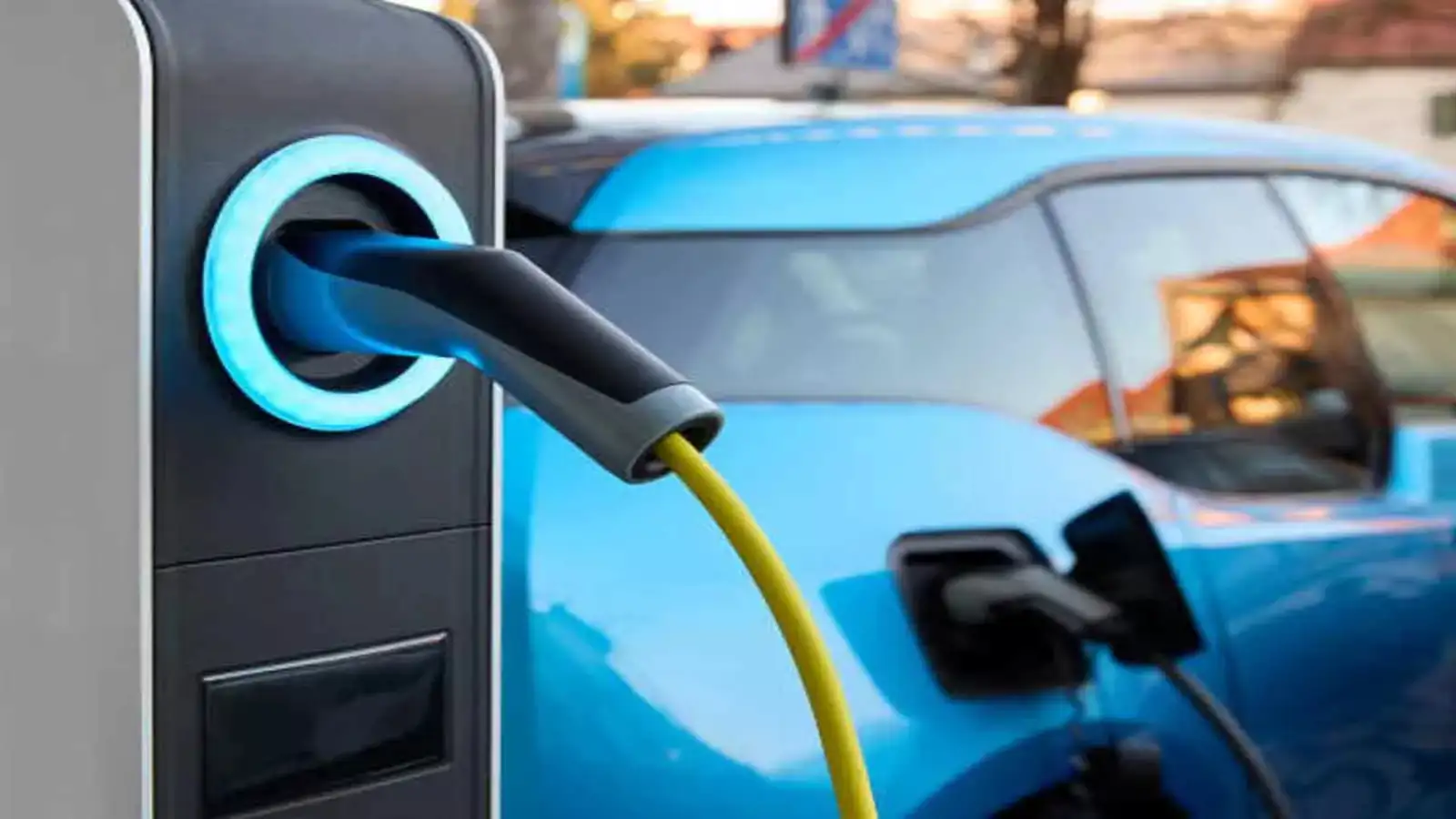
Besides favorable policies, Nepal’s push for infrastructure expansion—such as establishing charging stations along major highways and urban centers—has played a crucial role. Local startups, in collaboration with international firms, are setting up EV charging networks, bolstering consumer confidence and facilitating greater adoption.
This momentum has turned Nepal into a burgeoning market that appeals to regional and international investors. It presents a compelling opportunity for manufacturers, especially those from China, seeking to expand into South Asia’s EV market.
The Role of China: Strategic Positioning and Economic Gains
China’s Growing Presence in Nepal’s EV Sector
China has been a significant player in the global EV industry, with leading brands like BYD, Xpeng, and SAIC aggressively expanding their footprint across Asia. Nepal’s burgeoning EV market aligns well with China’s strategic interests in increasing market share and establishing a robust presence in South Asia.
Chinese companies are investing in Nepal’s EV manufacturing, supply chain, and infrastructure development. Their local partnerships often include setting up assembly plants, providing affordable EV options, and developing charging infrastructure tailored to Nepal’s specific terrain and usage patterns.
Economic and Geopolitical Implications
China’s investments in Nepal’s EV sector subtly strengthen its regional influence. As Nepal becomes more reliant on Chinese EV technology and infrastructure, it opens avenues for greater economic cooperation, while also positioning China as a key stakeholder in Nepal’s sustainable development goals.
This shift may influence Nepal’s diplomatic alignments and economic dependencies, potentially altering regional power dynamics. For China, the strategic benefit extends beyond just market expansion; it reinforces their role as a leader in clean technology and green energy transition in South Asia.
India’s Challenges and Limited Progress in the EV Sphere
Market Hurdles and Policy Gaps
Contrasting Nepal’s rapid progress, India faces several challenges that have hindered its EV ambitions. These include high import duties on EV components, lack of comprehensive charging infrastructure, and fragmented policy frameworks that have resulted in slow adoption rates.
Despite robust government initiatives like the Faster Adoption and Manufacturing of Hybrid and Electric Vehicles (FAME) scheme, the pace of EV penetration remains sluggish compared to Nepal. Many Indian manufacturers struggle with supply chain disruptions and capital cost issues, further impeding mass deployment.
Implications for India’s Economic and Environmental Goals
India’s slower EV adoption impacts its climate commitments and economic objectives. It risks falling behind in the global green technology race, while neighboring countries, including Nepal, make strides that could lead to increased cross-border collaboration with China.
Furthermore, the lack of widespread charging infrastructure and affordable EV options limits consumer adoption, creating a cyclical challenge for Indian policymakers aiming to promote green mobility within a sustainable economic framework.
Global and Regional Repercussions
Geopolitical Shift in South Asia
The evolving EV landscape reflects broader geopolitical shifts. China’s growing influence in Nepal through EV investments is a strategic maneuver that positions Beijing as an essential partner in the region’s sustainable transformation.
India’s seemingly slower progress could lead to reduced regional influence, as smaller nations gravitate towards Chinese partnerships and technologies, especially in sectors like EV manufacturing and infrastructure development.
Environmental Impact and Future Prospects
The push towards electric mobility in Nepal and China’s active involvement may accelerate regional efforts to combat climate change. Conversely, India’s lagging pace might delay its environmental commitments, potentially leading to increased fossil fuel reliance.
Looking forward, countries in South Asia could see a realignment of sources for EV technology, with China emerging as the dominant player. This development underscores the importance of strategic policy interventions by India to remain competitive and environmentally committed.
Conclusion: Opportunities and Challenges Ahead
The regional dynamics of the EV market highlight a landscape where Nepal’s progress and China’s strategic investments are reshaping the economic and geopolitical contours of South Asia. While Nepal’s advancing EV sector offers promising opportunities, India’s slow progress underscores a need for more cohesive policy reforms and infrastructure development.
In this evolving scenario, China’s gains through Nepal’s EV strides exemplify how technological and strategic collaborations can bolster regional influence. For India, comprehensive policy measures, investment in infrastructure, and technological innovation are crucial to reclaiming its position in the green mobility revolution.
Ultimately, the future of EV adoption in South Asia depends on how each country leverages opportunities and navigates challenges in this rapidly transforming landscape.
For more updated news please keep visiting Hourly Prime News.