

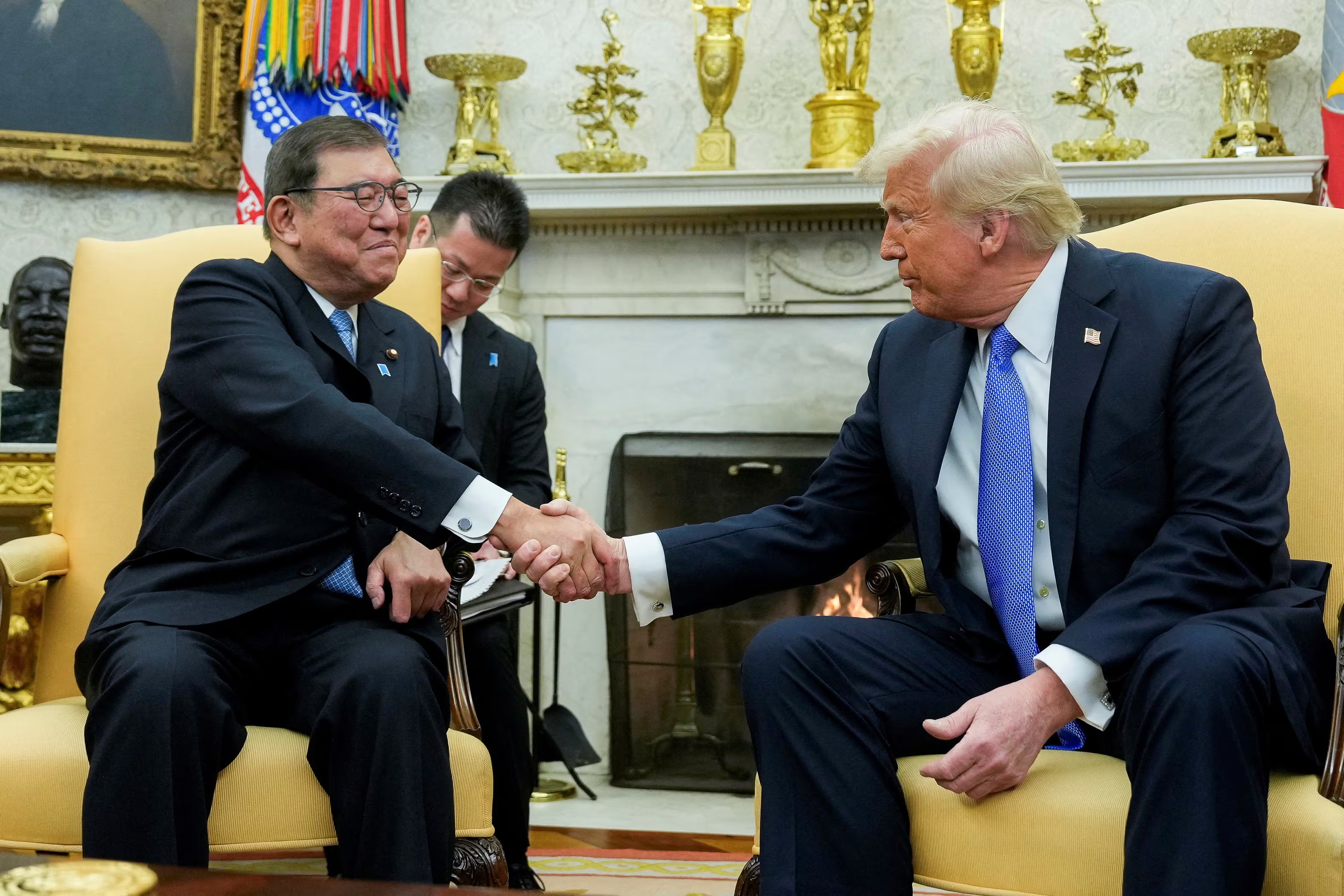
Auto Tariff Deal Highlights Between Japan and US
In a move that has garnered significant attention from global markets and industry stakeholders, Japan’s chief trade negotiator is scheduled to visit the United States with a clear objective: to fast-track the implementation of an auto tariff agreement that has been under discussion for months. This upcoming diplomatic visit marks a crucial turning point in North American and Asian trade relations, emphasizing the importance of bilateral cooperation amidst a complex geopolitical landscape.
The negotiations surrounding auto tariffs have long been a contentious issue, impacting a wide array of stakeholders including automakers, consumers, and policymakers. As tensions and uncertainties have persisted, this visit symbolizes an earnest effort by both Japan and the US to reach a mutually beneficial understanding, fostering economic stability and encouraging sustained growth in the automotive sector.
The Context of the Auto Tariff Deal
The background of this negotiation stems from a broader trade framework aimed at reducing barriers and promoting free and fair trade between Japan and the United States. Historically, the US has expressed concerns over imports of foreign-made vehicles and automotive parts, citing national security and trade deficit issues. Conversely, Japan has been keen on maintaining its strong automotive export sector, which is a vital component of its economy.
The proposed tariff deal is designed to achieve several objectives:
- Reducing or eliminating tariffs on Japanese vehicles exported to the US, which could reduce costs for American consumers and businesses.
- Ensuring fair competition in the US automotive market.
- Strengthening economic ties between Japan and the US amidst global trade uncertainties.
- Supporting the automotive industry in both countries by promoting investment and innovation.
The Significance of the Upcoming Negotiation
The attendance of Japan’s trade representative in the US highlights the urgency and importance both nations assign to reaching an agreement. The negotiation process has been complex, involving multiple stakeholders and negotiations on tariffs, quotas, and trade policies.
This visit is expected to serve as a catalyst in overcoming remaining obstacles that have delayed the deal’s finalization. Both countries recognize that swift action is essential to foster confidence in the market and avoid additional retaliatory measures that could further complicate the trade environment.
Key Goals for the Negotiation
- Accelerate the implementation timeline: Moving beyond negotiations to concrete policy actions.
- Address potential concerns: Ensuring key industries’ key interests are protected, including automakers, suppliers, and consumers.
- Build long-term cooperation frameworks: Developing mutually beneficial policies that foster innovation and competitiveness.
Industry Reactions and Market Impact
The automotive industry is closely monitoring these negotiations, as the outcome could significantly influence global supply chains and market dynamics. Automotive manufacturers such as Toyota, Honda, Nissan, and international giants operating in the US stand to benefit immensely if tariffs are reduced or eliminated.
Market analysts predict that an accelerated deal could lead to:
- Lower vehicle prices for American consumers.
- Increased investment in automotive innovation and production facilities.
- Enhanced competitiveness for Japanese automakers in the US market.
- Stability in supply chains which are currently susceptible to tariff-related disruptions.
Challenges and Future Outlook
Despite the optimistic outlook surrounding this visit, several hurdles remain. Negotiators must reconcile conflicting interests and ensure that agreements are sustainable and agreeable to both parties. Political considerations, domestic industry pressures, and the ongoing global economic situation all influence the negotiation process.
Looking ahead, the success of this diplomatic mission could set a precedent for future trade dealings, emphasizing proactive communication and cooperation in a shifting geopolitical scenario. Both Japan and the US appear committed to reaching an early resolution, signaling a positive shift toward more predictable and stable trade relations.
Potential Next Steps
- Formal signing and ratification of the auto tariff agreement by relevant government bodies.
- Implementation of agreed terms across automotive industries and trade channels.
- Monitoring and review mechanisms to ensure compliance and address future concerns.
Conclusion: Bridging Differences for Mutual Prosperity
The upcoming visit by Japan’s trade negotiator to the US is more than just a diplomatic formality; it embodies the shared interests of two major economies striving for cooperation amidst global uncertainties. By pressing for the swift implementation of the auto tariff deal, Japan hopes to solidify a strategic partnership that benefits both nations, their industries, and consumers alike.
As negotiations unfold, optimism remains high that both countries will find common ground to foster robust economic ties and promote sustainable growth in the automotive sector. This diplomatic effort reflects a broader commitment to diplomacy, economic integration, and shared prosperity in an interconnected world.
For more updated news please keep visiting Hourly Prime News.