

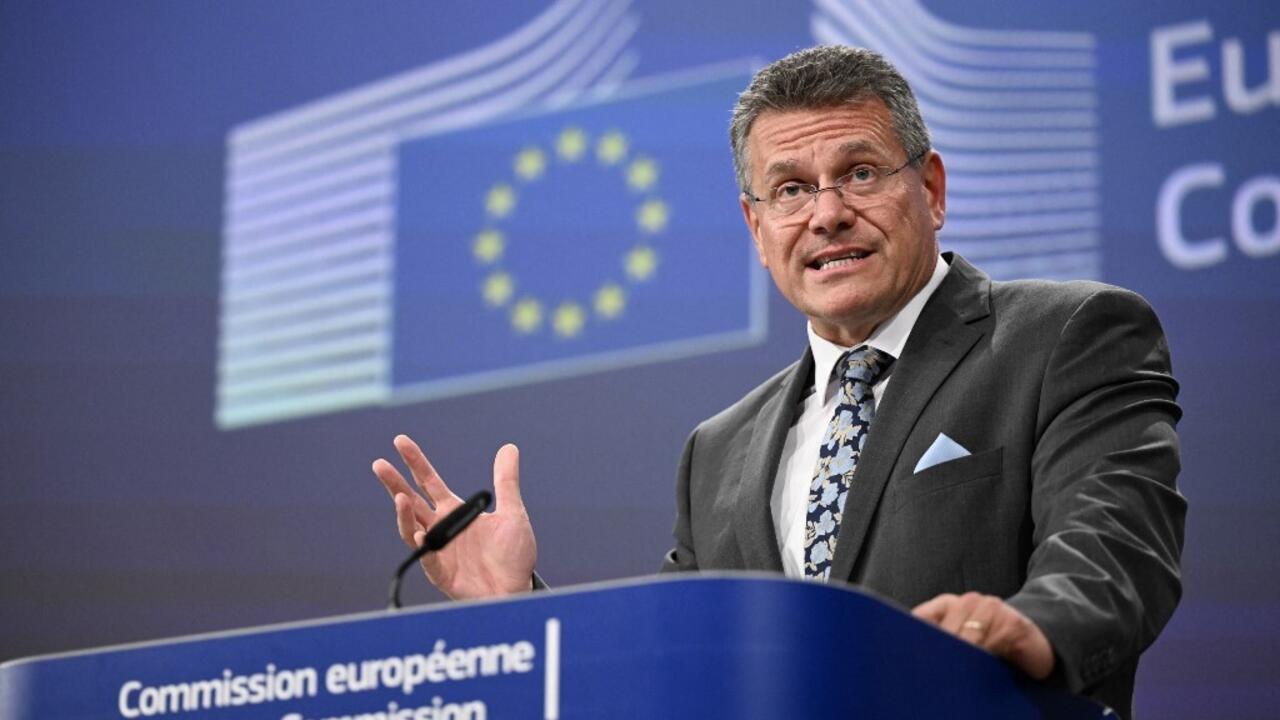
The European Union (EU) has announced a significant development in its ongoing trade negotiations with the United States. In a move aimed at fostering closer economic ties and de-escalating trade tensions, the EU has committed to **suspending its countermeasures to US tariffs for a period of six months**. This decision signals a renewed effort by both parties to engage in meaningful dialogue, resolve existing disputes, and promote mutual economic growth.
The decision was officially confirmed by sources familiar with the negotiations, highlighting that the suspension is part of a broader strategy to create a conducive environment for trade talks. It also allows both sides to explore potential agreements without the immediate threat of retaliatory tariffs, which have historically been a significant source of friction in transatlantic relations.
EU to suspend US tariff countermeasures for 6 months — Yahoo Finance
The Background: Tariffs and Tensions in Transatlantic Trade
The trade relationship between the EU and the US has been complex and often contentious, especially since the US imposed tariffs on European steel and aluminum in 2018. These measures were primarily justified by national security concerns but quickly escalated into a broader trade dispute involving various sectors, including technology and agriculture.
In retaliation, the EU imposed its own tariffs on American products such as bourbon, motorcycles, and certain agricultural goods. These countermeasures aimed to safeguard European industries but also risked escalating into a trade war that could hamper economic growth on both sides of the Atlantic.
Over recent years, negotiations have been fraught with challenges, with both sides accusing each other of unfair trade practices. Nonetheless, diplomatic efforts and increasing economic interdependence have encouraged a reevaluation of tariffs as a tool for dispute resolution.
The Significance of the Six-Month Suspension
The six-month suspension of US tariff measures by the EU is a strategic pause—an opportunity for both parties to reset and attempt negotiations without the threat of escalation. During this period:
- Trade negotiations can be prioritized: With tariffs on hold, discussions on tariffs and trade policies can proceed more smoothly.
- Confidence among businesses may improve: Companies operating in the US and EU can plan investments and expansion initiatives without immediate tariff concerns.
- Progress toward a comprehensive agreement is fostered: The pause provides room for sides to address broader issues beyond tariffs, including regulatory standards and digital trade.
Experts see this move as a test of goodwill and a commitment to diplomatic resolution. It also reflects the broader geopolitical context, where both the EU and US are seeking to strengthen alliances amid shifting global alliances and economic challenges.
Potential Outcomes and Future Outlook
The upcoming months will be critical in determining whether this suspension leads to a durable resolution or a temporary truce. Several potential scenarios could unfold:
1. Successful Negotiations
If both sides leverage the suspension to resolve lingering disputes, we could see a formal agreement that reduces or eliminates tariffs, opening the way for sustained trade partnership improvements.
2. Renewed Tensions
If negotiations stall or disagreements resurface over key issues such as subsidies, intellectual property, or specific industries, tensions could reignite, possibly leading to the reinstatement of tariffs.
3. Broader Policy Shifts
The suspension could serve as a catalyst for broader economic policy changes, including increased cooperation on digital regulation, climate change initiatives, and supply chain resilience.
Politicians and industry leaders are closely watching the developments, hoping for a positive outcome that benefits consumers, manufacturers, and farmers on both continents.
Implications for Global Trade Dynamics
The EU’s decision to suspend countermeasures not only impacts transatlantic trade but also sends ripples through the global economy. As the world observes, this move could:
- Set a precedent: Encouraging other nations to seek diplomatic solutions instead of escalating tariffs during disputes.
- Shift geopolitical alliances: Demonstrating a willingness among Western alliances to prioritize dialogue over confrontation.
- Impact global supply chains: Reduced tariffs may ease disruptions and promote greater international collaboration on trade and investment.
While uncertainties remain, many analysts view this development as a positive step toward rebuilding trust and stability in international trade relations.
Conclusion: A Glimmer of Hope for Transatlantic Trade
The EU’s decision to suspend US tariff measures for six months offers a timely opportunity to de-escalate longstanding trade tensions. Both sides must leverage this pause to engage in constructive negotiations, address core issues, and build a framework for long-term cooperation.
As history teaches us, diplomacy and dialogue are often more effective than tariffs and retaliatory measures. The coming months will be crucial in determining whether this initiative leads to a lasting peace in transatlantic trade relations or if more challenges await.
For more updated news please keep visiting Hourly Prime News.