

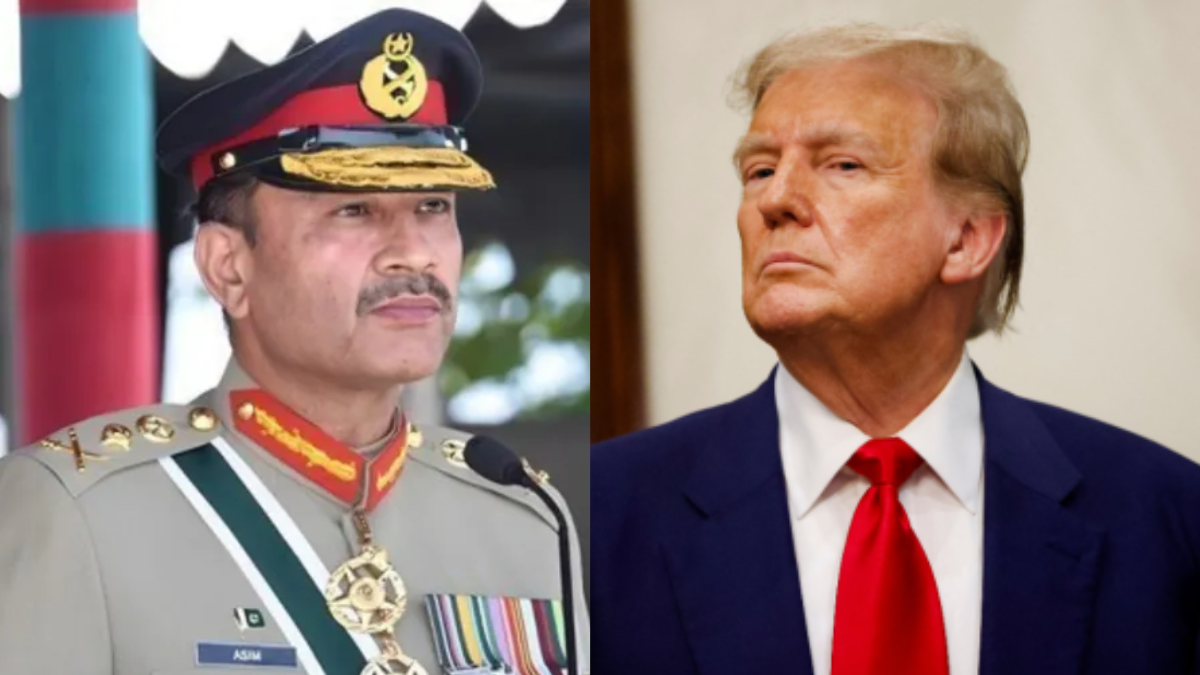
The international political landscape surrounding Pakistan and its strategic resource claims has taken a tumultuous turn recently. A prominent Baloch leader has issued a daring open letter to former U.S. President Donald Trump, asserting that Pakistan’s current military chief, General Asim Munir, has misled Trump regarding the nation’s oil reserves. This bold claim not only introduces a fresh perspective into Pakistan’s resource narrative but also highlights the complex web of misinformation and strategic disinformation campaigns that often pervade diplomatic dialogues.
The Core of the Allegation
The Baloch leader’s open letter accuses General Asim Munir of intentionally distorting facts about Pakistan’s oil reserves, claiming that the supposed “massive oil reserves” are exaggerated or even nonexistent. This is a sharp contrast to the narrative propagated by some Pakistani officials who have claimed that the country possesses substantial oil and mineral wealth. The leader’s assertion is that Munir, in an effort to project strength and attract foreign interest, has misled international figures, including Trump, into believing that Pakistan is sitting on a goldmine of energy assets.
According to the leader’s detailed statement, the supposed “massive reserves” have been overhyped, serving more as diplomatic leverage than as grounded economic reality. The open letter emphasizes that many of the claims made about Pakistan’s oil reserves are either outdated or factually inaccurate. This discrepancy has significant geopolitical implications, especially considering the strategic importance of Pakistan in regional and global energy markets.
The Broader Context: Misinformation in Pakistan’s Resource Narrative
The claims about Pakistan’s oil capacity are not new; they have been part of a broader propaganda effort to boost national morale and attract foreign investment. However, many independent geologists and energy analysts have consistently questioned these assertions, highlighting the lack of concrete exploration data supporting the claims of vast reserves. Multiple reports, including those from reputable international energy agencies, have indicated that Pakistan’s oil sector remains underdeveloped, and proven reserves are minimal compared to the exaggerated figures sometimes declared by officials.
Despite this, Pakistan’s military establishment and political figures have often promoted a narrative of abundant natural resources, which serves multiple strategic purposes:
- Diplomatic Leverage: Claiming rich reserves to attract foreign aid, investments, or strategic allies.
- National Unity: Fostering a sense of economic potential to counter internal dissent and regional instability.
- Geopolitical Positioning: Using resource claims to influence regional power dynamics, especially vis-à-vis rival nations like India and China.
The opposition and independent analysts, however, argue that such narratives can be misleading, potentially leading to international miscalculations or misguided investments based on false perceptions.
The Role of the Military and Political Leadership
This controversy brings into focus the ongoing power interplay between Pakistan’s military and civilian government. The military’s role in shaping economic narratives, particularly concerning strategic resources, can be profound. The assertion by the Baloch leader suggests that military officials like Asim Munir might be engaging in strategic misinformation for broader diplomatic or internal objectives.
Some critics argue that the military prefers to highlight such exaggerated resource claims to bolster its image as a protector of national sovereignty and strategic interests. Meanwhile, civilian policymakers and economists often remain skeptical, emphasizing the need for transparent and scientific exploration data before confirming such reserves publicly.
Implications for International Relations and South Asian Stability
The allegations set the stage for potentially shifting diplomatic relations between Pakistan, the United States, and neighbouring countries. If the claims about misled presidents and exaggerated reserve figures are validated, it could dampen international confidence in Pakistan’s strategic narratives. This could also impact ongoing and future investment deals, energy exploration projects, and regional alliances.
Particularly significant is the timing of these revelations as Pakistan navigates its economic crisis, with repeated attempts to secure international aid and relief measures. A misrepresented resource base could have led to misplaced expectations, and the leader’s warning aims to curb this possibility while calling for transparency.
The Global Perspective: Comparing Narratives Over Oil Reserves
The ongoing discourse around Pakistan’s oil reserves mirrors similar episodes worldwide where nations have overclaimed or exaggerated their resource wealth to attract investment or establish regional dominance. The issue isn’t unique; more often than not, such narratives are rooted in political expediency rather than scientific fact.
In this context, credible energy assessments and international geological surveys act as crucial checks. For instance, comprehensive data from agencies like the U.S. Geological Survey (USGS) or international energy organizations tend to downplay such exaggerated reserves claims, urging caution and transparency.
Counterpoints and Public Reactions
The claims by the Baloch leader have sparked mixed reactions. Some see this as a necessary honesty in a country where misinformation often clouds public discourse. Others question the political motivations behind these accusations, suspecting internal power struggles or attempts to highlight military overreach.
Moreover, comments from analysts highlight that exaggerated resource claims can destabilize regional relations, especially if other neighbouring countries interpret these narratives as threats or diplomatic misrepresentations. The storyline underscores the importance of fact-based diplomatic dialogue, especially in volatile regions like South Asia.
The Rim of the Controversy: What’s Next for Pakistan?
The controversy over Pakistan’s alleged oil reserves is likely to persist, fueling debates over national transparency and military influence. If proven that Munir or other officials have misled foreign leaders, Pakistan may face diplomatic repercussions, including diminished credibility and trust deficits.
At the same time, this situation underscores the broader need for Pakistan to develop pragmatic, data-driven strategic plans for resource management rather than relying on exaggerated narratives. Transparency and honesty will be key to rebuilding trust both domestically and internationally, especially as Pakistan seeks to attract genuine foreign investment and foster regional stability.
Conclusion: The Path Forward in a Complex Geopolitical Arena
In the intricate dance of politics, nationalism, and economics, claims about natural resources can serve as powerful tools—and as potential traps. The open letter by the Baloch leader shines a harsh light on the importance of factual accuracy in strategic resource claims. Misinformation that misleads international leaders not only hampers genuine economic development but can also lead to geopolitical miscalculations with long-term consequences.
While the allegations against Asim Munir are serious, the wider message is a call for transparency, accountability, and fact-based policymaking in Pakistan’s resource sector. As global powers scrutinize Pakistan’s claims, both the government and military must prioritize clarity to prevent further diplomatic fallout and internal destabilization.
The ongoing debates highlight a fundamental principle: sustainable development and international credibility are rooted in honesty and transparency. It remains to be seen how Pakistan responds to these allegations—whether it will adjust its narratives or double down on strategic misinformation.
For more updated news please keep visiting Hourly Prime News.