

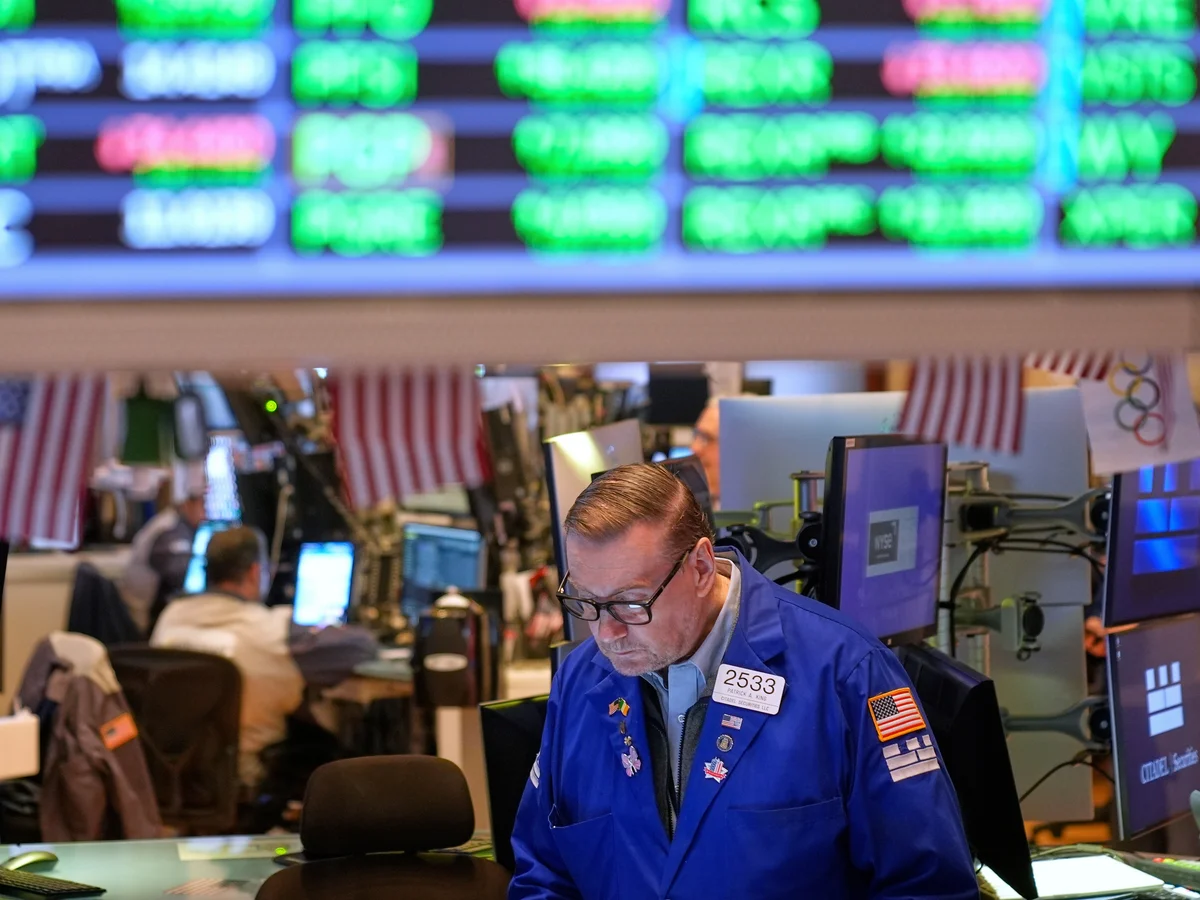
The economic landscape of the Asia-Pacific Markets has recently experienced turbulence, primarily driven by shifts in US trade policies. The modification of tariff rates by former U.S. President Donald Trump has sent ripples across regional markets, leading to notable declines in several key economies. As the world closely watches Washington’s trade strategies, the Asia-Pacific markets reflect their sensitivities and interconnectedness with global economic policies.
Background: Tariff Policies and Global Trade Tensions
Trade tariffs, historically used as tools for economic negotiation and protectionism, gained unprecedented prominence during Trump’s administration. The decision to alter tariff rates was part of a broader strategy aimed at recalibrating international trade agreements and addressing perceived trade imbalances. The announcement of tariff modifications, especially those affecting Chinese goods, impacted global supply chains and investor sentiment.
The Asia-Pacific region, being deeply integrated into global trade networks, was consequently affected. Countries such as China, Japan, South Korea, and Australia experienced immediate market reactions, with investor confidence wavering amid uncertainties surrounding US trade policies.
Market Response across Asia-Pacific
Immediate Market Reaction
Following the formal announcement and implementation of tariff rate modifications by the Trump administration, stock markets across the Asia-Pacific experienced declines. CNBC reported that regional indexes saw sharp drops as investors reacted to the potential disruption of global trade flows.
- Chinese Markets: China’s Shanghai Composite and Shenzhen Composite indices declined as concerns about retaliatory tariffs and broader trade tensions escalated.
- Japan: The Nikkei 225 shed points amid fears of reduced export demand and increased costs for imported raw materials.
- South Korea and Australia: Markets experienced similar downturns, influenced by fears of reduced foreign investment and supply chain disruptions.
Sector-Specific Impacts
Particularly hit sectors included manufacturing, technology, and commodities. Export-reliant industries faced potential tariffs that could diminish profit margins and threaten market share.
For instance, technology companies and automakers in Japan and South Korea saw share prices decline sharply due to anticipated restrictions on exports to the U.S. and China. Commodities like metals and energy commodities also experienced price fluctuations as investor sentiment shifted toward risk aversion.
Reasons Behind the Market Decline
Uncertainty and Risk Aversion
The primary driver behind the downturn was uncertainty. Traders and investors prefer stable trade policies, and a sudden shift or announcement of tariffs injects significant risk into the market. The prospect of ongoing trade disputes heightens fears of global economic slowdown.
Trade Disruptions and Supply Chain Concerns
Changing tariffs threaten to disrupt established supply chains, especially for countries heavily invested in manufacturing and exports. Such disruptions could lead to increased costs, delays, and reduced competitiveness on the international stage.
Geopolitical Tensions
Tariffs are often intertwined with broader geopolitical tensions, and their modification indicates a persistent state of volatility. This climate discourages investments and prompts market participants to adopt a cautious stance.
Broader Economic Implications
- Global Supply Chains: Disruptions may impact not just regional economies but also global markets, as companies reassess their sourcing and distribution strategies.
- Foreign Investment: Uncertainty can lead to reduced foreign direct investment, impacting economic growth prospects.
- Trade Agreements: The situation underscores the fragility of existing trade agreements and the potential for further renegotiations.
Expert Opinions and Future Outlook
Economists and market analysts agree that the situation is dynamic and fluid. While some expect markets to recover as negotiations progress, others warn of prolonged volatility if tariffs remain unsettled. The potential for retaliatory measures from affected Asian countries could further complicate the scenario.
Furthermore, the transition to new trade policies emphasizes the need for regional economies to diversify their economic bases and seek alternative markets to mitigate risks associated with abrupt policy changes.
Investors’ Strategies Moving Forward
- Diversification: Spread investments across different sectors and geographies.
- Monitoring Policy Announcements: Stay updated on tariff negotiations and international trade policies.
- Risk Management: Employ hedging strategies to protect against downside risks.
Conclusion
The recent decline in Asia-Pacific markets following Trump’s tariff modifications underscores the interconnectedness of global trade and economic stability. While short-term volatility is inevitable, it also highlights the resilience and adaptability of regional economies and investors. Moving forward, a collaborative approach and clear communication among international stakeholders will be essential to restore confidence and stabilize markets.
As the geopolitical landscape continues to evolve, staying informed and adaptable remains crucial for investors, policymakers, and businesses alike. The Asia-Pacific region’s response to these shifts will significantly influence the pace and shape of global economic recovery.
For more updated news please keep visiting Hourly Prime News.