

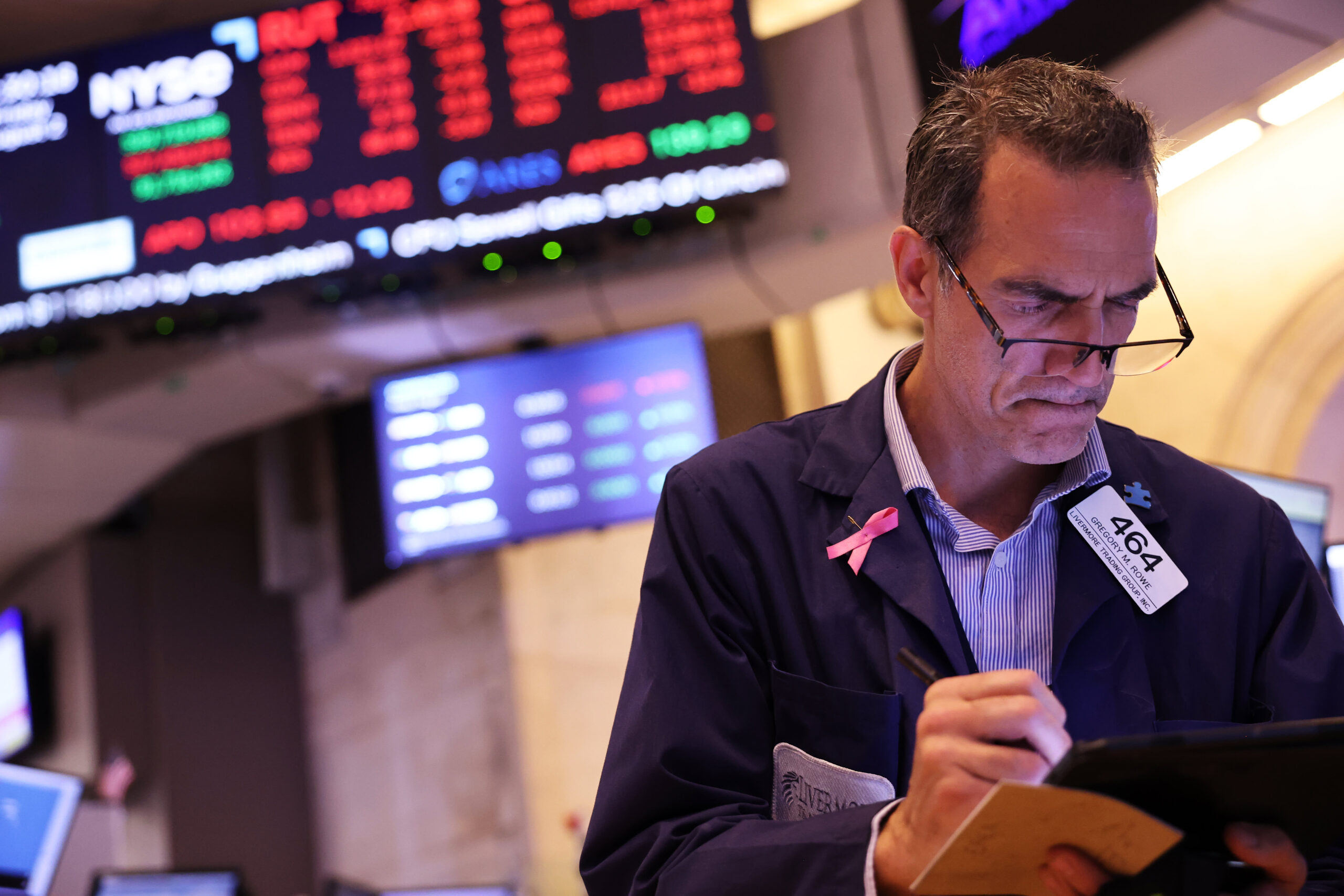
The US stock markets experienced a significant decline today, driven primarily by disappointing jobs data and mounting investor apprehensions about the economic outlook. Major indices, including the S&P 500 and Nasdaq, witnessed sharp sell-offs, causing widespread concern among market participants. This downturn highlights the fragility of the current financial landscape and underscores the importance of closely monitoring economic indicators that influence investor sentiment.
Understanding the Market’s Reaction to Jobs Data
Recent labor market reports painted a less optimistic picture of the US economy, revealing weaker-than-expected job creation figures. According to this report, the Labor Department unveiled that job creation slowed to a pace that was below expectations. This unexpected slowdown has raised concerns about how the US economy might perform in the coming months, intensifying fears of a potential economic slowdown or even a recession.
Market Indices Take a Hit
In response to this weak employment data, the S&P 500 plummeted by 1.2%, reflecting concern among investors about the economic trajectory. The Nasdaq Composite, heavily weighted with technology stocks, fell even steeper—dipping by 1.5%. These declines are part of a broader sell-off pattern that has been evident across global markets, with investors seeking safe-haven assets such as gold and Treasury bonds amid heightened volatility.
The Dow Jones Industrial Average also joined the downward trend, experiencing a notable decline, further emphasizing the widespread bearish sentiment. The cumulative effect of weak data, coupled with ongoing geopolitical uncertainties and inflation concerns, has created an environment of heightened risk aversion.
Investor Concerns and the Broader Economic Context
- Inflation and Interest Rate Hikes: Persistent inflationary pressures have led the Federal Reserve to pursue aggressive interest rate hikes. While such measures aim to tame inflation, they also threaten to slow economic growth, which is already fragile amidst weak employment figures.
- Global Economic Uncertainty: The global economic landscape remains uncertain due to geopolitical tensions, trade disruptions, and pandemic-related challenges. These factors compound fears of a looming economic downturn.
- Corporate Earnings Outlook: With consumer spending potentially subdued due to job market weaknesses, corporate earnings forecasts are becoming increasingly cautious, adding further pressure on stock valuations.
Implications for Investors
The sharp decline in the US stock markets serves as a stark reminder for investors about the importance of diversification and risk management. In times of economic uncertainty, many are reconsidering their portfolios, emphasizing safe assets, and reducing exposure to high-volatility stocks.
While short-term volatility can be unsettling, it also presents opportunities for long-term investors to identify undervalued stocks or sectors that may recover as economic conditions stabilize. However, caution remains paramount, especially given the unpredictable nature of current economic indicators.
Looking Ahead
Market analysts suggest that the forthcoming weeks will be critical in shaping the trajectory of US stocks. Investors will be closely watching upcoming employment reports, inflation data, and Federal Reserve announcements for clues about future monetary policy actions.
Moreover, policy responses to economic challenges—such as potential adjustments in interest rates or fiscal measures—could influence market movements. Analysts also caution about the risk of continued volatility and recommend maintaining a balanced, well-diversified investment approach.
Conclusion
The recent decline in US stock markets underscores the intertwined nature of economic data and investor confidence. Weak jobs numbers have acted as a trigger for sell-offs, reflecting fears of an economic slowdown. As markets remain sensitive to emerging data and policy signals, investors must navigate these turbulent times with prudence and strategic foresight.
As we observe how the economic landscape evolves, one thing remains clear: staying informed and prepared is key to weathering market fluctuations. Financial markets are inherently cyclical, and patience combined with sound investment strategy can help weather these challenging periods.
For more updated news please keep visiting Hourly Prime News.